Telemedicine: A Beacon of Hope for Healthcare Accessibility

Telemedicine, a transformative force in healthcare, is reshaping how we access medical services, especially in underserved and remote regions. In a recent review article published by Cureus, the profound impact of telemedicine on healthcare accessibility is explored in depth. The article highlights how telemedicine addresses various barriers—geographical, temporal, financial, sociocultural, and infrastructural—thereby enhancing healthcare access for communities that need it the most.

Breaking Geographical Barriers

Telemedicine has emerged as a crucial tool in bridging geographical divides. By leveraging technological advancements such as video conferencing and wearable sensors, healthcare professionals can now reach patients in otherwise isolated regions. This not only facilitates round-the-clock consultations but also reduces unnecessary patient travel, offering a cost-effective solution to healthcare delivery.

Addressing Financial Hurdles

One of the significant advantages of telemedicine is its ability to cut travel expenses for patients, particularly in rural settings. However, the article points out that the initial costs of implementing telemedicine and the complexities of reimbursement frameworks pose challenges that require systematic policy support for sustainable growth.

Overcoming Sociocultural Challenges

The review sheds light on the cultural and language barriers that can impede telemedicine‘s effectiveness. It advocates for inclusive services tailored to diverse demographics, emphasizing the necessity of language interpretation services and culturally competent care to ensure equitable healthcare access.

The Road Ahead

Looking to the future, the article calls for enhanced integration of telemedicine across healthcare systems. This includes robust policy frameworks that support equitable access and quality service delivery while ensuring patient safety and data privacy. By addressing these challenges, stakeholders can harness telemedicine‘s full potential, ultimately advancing global healthcare accessibility.
Through collaborative efforts from policymakers, healthcare providers, and technology innovators, telemedicine‘s transformative potential can be accelerated. This will improve health equity and outcomes globally, ensuring that all individuals, regardless of their location or socioeconomic status, have access to the healthcare they need.

More Articles

Getting licensed or staying ahead in your career can be a journey—but it doesn’t have to be overwhelming. Grab your favorite coffee or tea, take a moment to relax, and browse through our articles. Whether you’re just starting out or renewing your expertise, we’ve got tips, insights, and advice to keep you moving forward. Here’s to your success—one sip and one step at a time!

Artificial Intelligence in Diagnostics: A Revolution in Healthcare

The global market for artificial intelligence in diagnostics is poised for remarkable growth, with projections estimating it to reach USD 7.3 billion by 2032.

By |December 10, 2024|Categories: Article, Artificial Intelligence, Healthcare|Tags: , |0 Comments

Revolutionizing Medical Education with Extended Reality

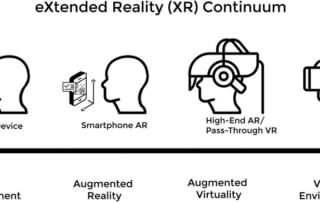
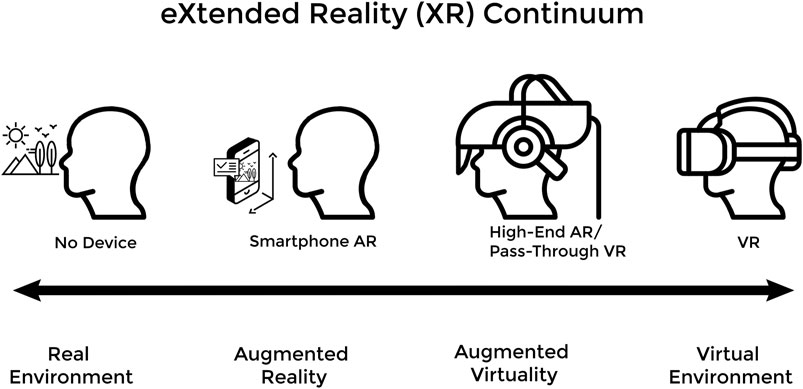
In the ever-evolving landscape of medical education, a new player has emerged, promising to revolutionize the way future doctors are trained. The integration of eXtended Reality (XR) technologies is reshaping the educational landscape by addressing the limitations of traditional methods.

Genetic Testing: A New Dawn in Healthcare

Genetic testing represents more than just a scientific advancement; it signifies a fundamental shift in how we approach health and wellness.

Sustainable Architecture: Blending Innovation with Ecological Responsibility

The journey toward sustainable architecture is ongoing, with each project serving as a beacon of what's achievable when creativity meets ecological awareness.

By |December 9, 2024|Categories: Architecture, Article, Sustainability|Tags: |0 Comments

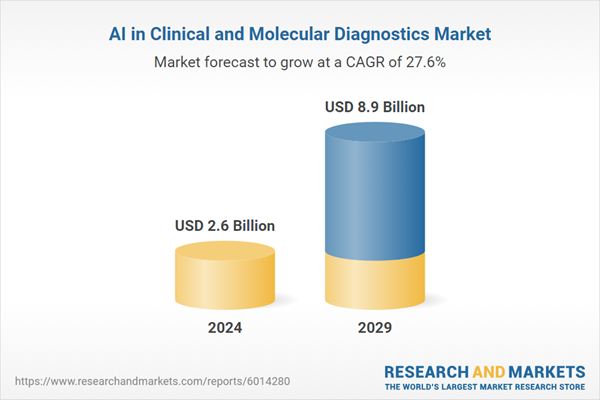
AI in Clinical and Molecular Diagnostics: A Market on the Rise

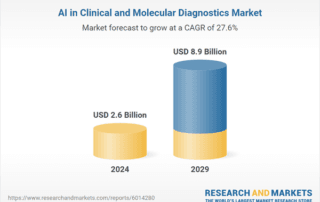
AI in Clinical and Molecular Diagnostics Market is set to experience remarkable growth, projected to surge from USD 2.6 billion in 2024 to USD 8.9 billion by 2029. This growth is driven by the integration of advanced AI technologies such as machine learning and deep learning into traditional diagnostic methodologies like imaging, genomics, and laboratory testing.

AI: A Revolution in Healthcare’s Future

AI is not a distant dream but a present reality, already integrated into everyday life through virtual assistants like Alexa and Siri. AI shows promise in enhancing medical accuracy, such as in predicting mesothelioma survival and improving colonoscopy accuracy, it is not intended to replace healthcare professionals.