Telemedicine: A Digital Revolution in Healthcare Amid COVID-19
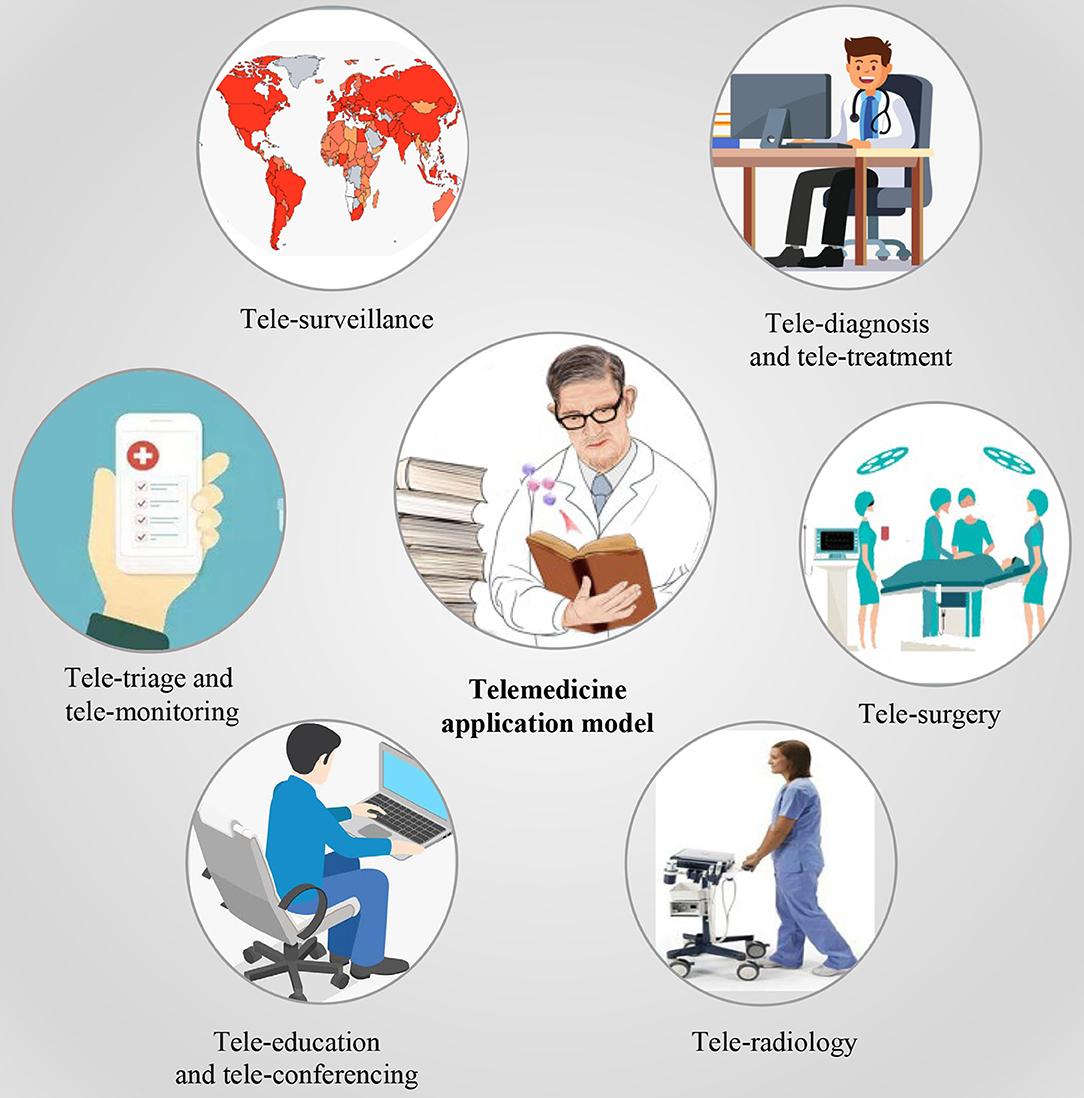
The year 2020 marked a significant turning point in the global healthcare landscape, as the COVID-19 pandemic accelerated the adoption of digital technologies such as telemedicine. This novel approach to healthcare delivery has proven invaluable in overcoming the challenges posed by the pandemic, particularly in terms of providing medical services without the constraints of time and space.
The Rise of Telemedicine
As the pandemic spread across the globe, healthcare systems faced unprecedented pressure. The traditional model of in-person consultations was no longer feasible, leading to a surge in the use of telemedicine. This technology not only facilitated remote consultations but also helped in managing chronic conditions and conducting routine check-ups. The integration of telemedicine into healthcare systems has been a game-changer, ensuring continuity of care while minimizing the risk of virus transmission.
Empowering Healthcare with Technology
The pandemic has also highlighted the potential of other digital technologies. The use of AI in diagnosing COVID-19 and predicting its spread has been instrumental in managing the outbreak. Similarly, the Internet of Things (IoT) has enabled real-time monitoring of patient health, while blockchain technology has ensured secure data sharing.
Challenges and Opportunities
Despite the rapid uptake of telemedicine, several challenges remain. Licensing barriers, reimbursement issues, and concerns about data privacy need to be addressed to fully integrate telemedicine into healthcare systems. However, the pandemic has also created opportunities for innovation, paving the way for a future where digital technologies are an integral part of healthcare delivery.
The Future of Healthcare
As we look to the future, the lessons learned during the pandemic will shape the evolution of healthcare. The integration of digital technologies, including telemedicine, AI, and IoT, will continue to transform the way healthcare is delivered, making it more accessible, efficient, and patient-centered. The COVID-19 pandemic has not only accelerated the adoption of these technologies but has also underscored their importance in addressing global health challenges.
Conclusion
In conclusion, the COVID-19 pandemic has catalyzed a digital revolution in healthcare. The rapid adoption of telemedicine and other digital technologies has demonstrated their potential to enhance healthcare delivery and improve patient outcomes. As we navigate the post-pandemic world, these technologies will play a crucial role in shaping the future of healthcare, ensuring it is resilient, responsive, and ready to tackle any challenges that lie ahead.
More Articles
Getting licensed or staying ahead in your career can be a journey—but it doesn’t have to be overwhelming. Grab your favorite coffee or tea, take a moment to relax, and browse through our articles. Whether you’re just starting out or renewing your expertise, we’ve got tips, insights, and advice to keep you moving forward. Here’s to your success—one sip and one step at a time!
The bill represents a sweeping continuation and expansion of the 2017 Tax Cuts and Jobs Act, introducing a myriad of new provisions aimed at reshaping the tax landscape for businesses, individuals, and tax-exempt organizations alike.
The State Bar of California has admitted to using artificial intelligence to develop some of the multiple-choice questions for its February bar exam. This revelation comes nearly two months after hundreds of aspiring lawyers reported technical difficulties and irregularities during the exam.
In the ever-evolving landscape of real estate education, California is setting the stage for aspiring agents with a diverse array of online schools tailored to meet every need. As the Golden State gears up for 2025, prospective real estate professionals can find a wealth of options that cater to various budgets, learning styles, and schedules.
Embarking on a fulfilling real estate career in Florida begins with selecting the right prelicensing education. Florida requires 63 hours of coursework from approved schools before you can tackle the state exam.
In a landmark move, the One Big Beautiful Bill, signed into law on July 4th by President Donald Trump, is set to transform the landscape of opportunity zones in the United States. This legislation marks a pivotal shift, making opportunity zones a permanent fixture in American tax policy.
HousingWire's article is not just a list; it is a detailed analysis of what makes each school unique, ensuring that every aspiring real estate professional can find the right fit for their educational journey.