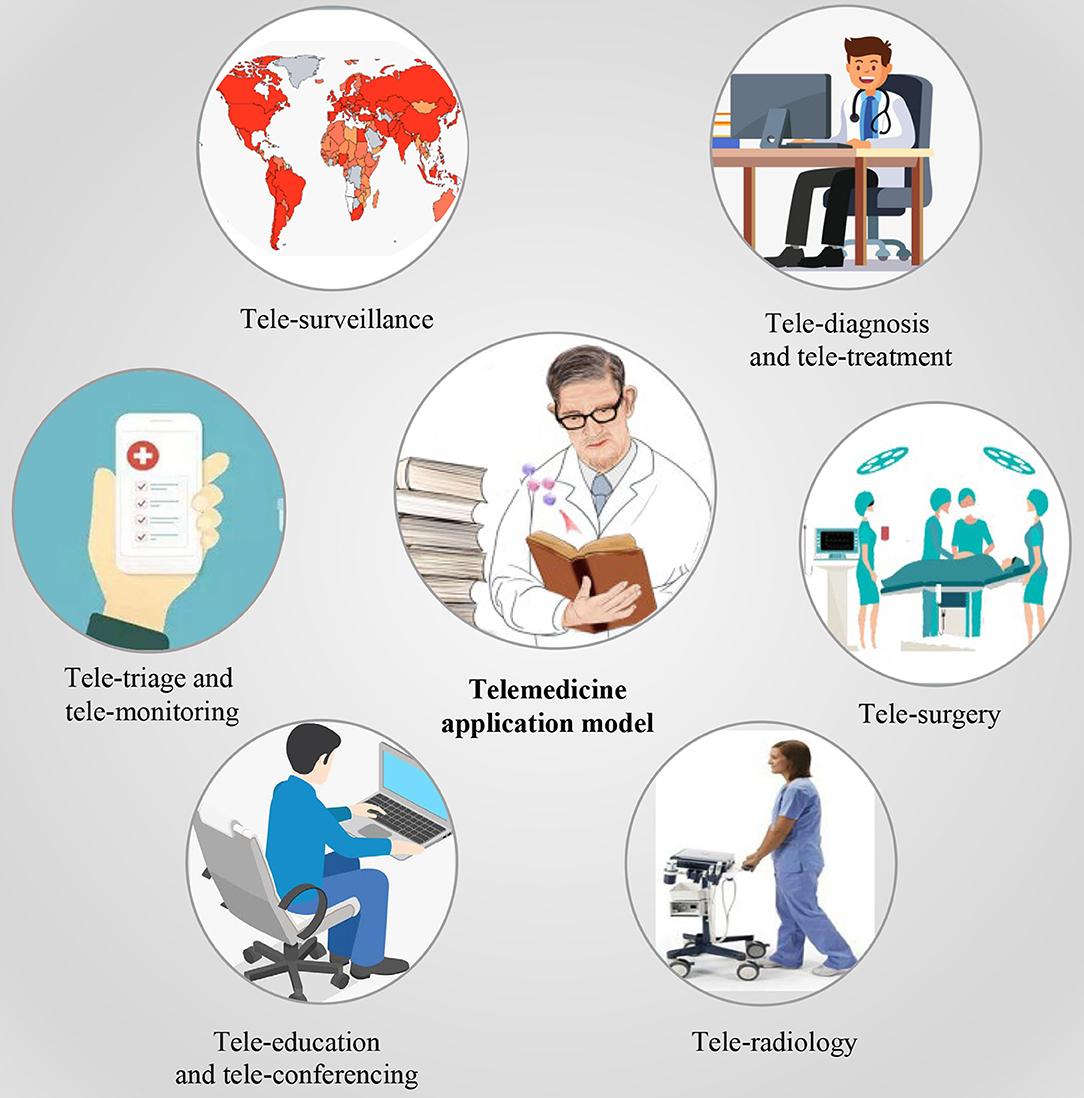
Telemedicine: A Digital Revolution in Healthcare Amid COVID-19
The year 2020 marked a significant turning point in the global healthcare landscape, as the COVID-19 pandemic accelerated the adoption of digital technologies such as telemedicine. This novel approach to healthcare delivery has proven invaluable in overcoming the challenges posed by the pandemic, particularly in terms of providing medical services without the constraints of time and space.
The Rise of Telemedicine
As the pandemic spread across the globe, healthcare systems faced unprecedented pressure. The traditional model of in-person consultations was no longer feasible, leading to a surge in the use of telemedicine. This technology not only facilitated remote consultations but also helped in managing chronic conditions and conducting routine check-ups. The integration of telemedicine into healthcare systems has been a game-changer, ensuring continuity of care while minimizing the risk of virus transmission.
Empowering Healthcare with Technology
The pandemic has also highlighted the potential of other digital technologies. The use of AI in diagnosing COVID-19 and predicting its spread has been instrumental in managing the outbreak. Similarly, the Internet of Things (IoT) has enabled real-time monitoring of patient health, while blockchain technology has ensured secure data sharing.
Challenges and Opportunities
Despite the rapid uptake of telemedicine, several challenges remain. Licensing barriers, reimbursement issues, and concerns about data privacy need to be addressed to fully integrate telemedicine into healthcare systems. However, the pandemic has also created opportunities for innovation, paving the way for a future where digital technologies are an integral part of healthcare delivery.
The Future of Healthcare
As we look to the future, the lessons learned during the pandemic will shape the evolution of healthcare. The integration of digital technologies, including telemedicine, AI, and IoT, will continue to transform the way healthcare is delivered, making it more accessible, efficient, and patient-centered. The COVID-19 pandemic has not only accelerated the adoption of these technologies but has also underscored their importance in addressing global health challenges.
Conclusion
In conclusion, the COVID-19 pandemic has catalyzed a digital revolution in healthcare. The rapid adoption of telemedicine and other digital technologies has demonstrated their potential to enhance healthcare delivery and improve patient outcomes. As we navigate the post-pandemic world, these technologies will play a crucial role in shaping the future of healthcare, ensuring it is resilient, responsive, and ready to tackle any challenges that lie ahead.
More Articles
Getting licensed or staying ahead in your career can be a journey—but it doesn’t have to be overwhelming. Grab your favorite coffee or tea, take a moment to relax, and browse through our articles. Whether you’re just starting out or renewing your expertise, we’ve got tips, insights, and advice to keep you moving forward. Here’s to your success—one sip and one step at a time!
In a world where legacy often outlives the individual, the financial prowess of deceased celebrities continues to captivate the public’s imagination. Forbes recently unveiled its list of the highest-paid dead celebrities of 2024, spotlighting figures whose posthumous earnings have not only sustained but thrived through strategic estate management and lucrative licensing deals.
As the nation continues to wrestle with the persistent issue of housing affordability, zoning laws have come under the spotlight as potential barriers or facilitators in the quest for more accessible housing.
"In a revealing glimpse into the future, The National Law Review has published a comprehensive article outlining 65 expert predictions on the impact of AI on law and legal practice in 2025. This insightful piece, featuring perspectives from federal judges, startup founders, CEOs, and leaders of AI practice groups at global law firms, delves into the anticipated regulatory developments and technological advancements poised to reshape the legal sector."
Landlords are increasingly turning to Limited Liability Companies (LLCs) as a strategic move for managing rental properties, offering significant tax benefits and enhanced liability protection.
"AI's impact is not predetermined by technology alone but is deeply influenced by human choices and governance. As Dhar emphasized, 'It depends on us.'"
With graduation season in full swing, many seniors from Florida universities are not only celebrating academic achievements but also personal milestones.