Telemedicine: A Digital Revolution in Healthcare Amid COVID-19
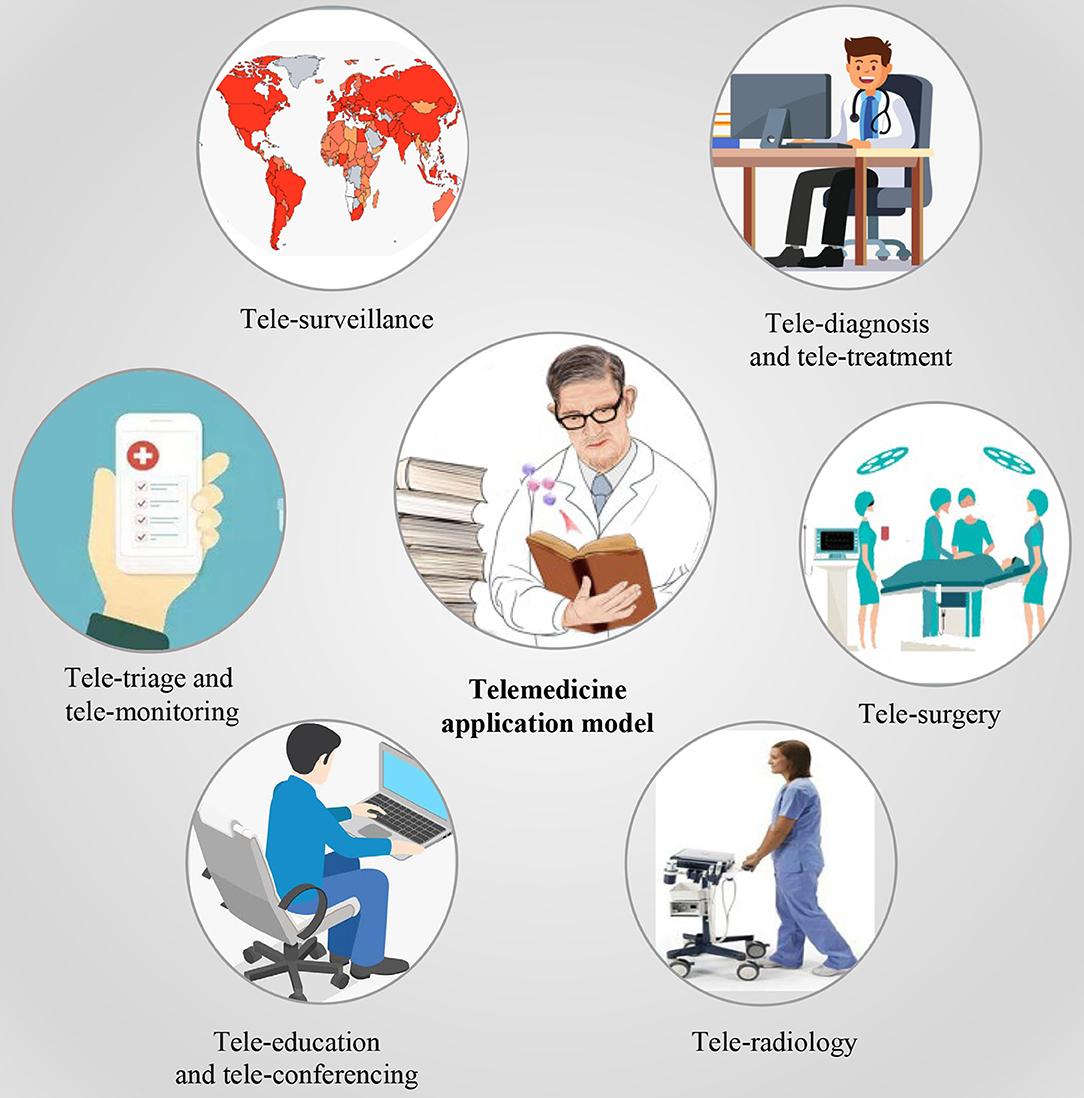
The year 2020 marked a significant turning point in the global healthcare landscape, as the COVID-19 pandemic accelerated the adoption of digital technologies such as telemedicine. This novel approach to healthcare delivery has proven invaluable in overcoming the challenges posed by the pandemic, particularly in terms of providing medical services without the constraints of time and space.
The Rise of Telemedicine
As the pandemic spread across the globe, healthcare systems faced unprecedented pressure. The traditional model of in-person consultations was no longer feasible, leading to a surge in the use of telemedicine. This technology not only facilitated remote consultations but also helped in managing chronic conditions and conducting routine check-ups. The integration of telemedicine into healthcare systems has been a game-changer, ensuring continuity of care while minimizing the risk of virus transmission.
Empowering Healthcare with Technology
The pandemic has also highlighted the potential of other digital technologies. The use of AI in diagnosing COVID-19 and predicting its spread has been instrumental in managing the outbreak. Similarly, the Internet of Things (IoT) has enabled real-time monitoring of patient health, while blockchain technology has ensured secure data sharing.
Challenges and Opportunities
Despite the rapid uptake of telemedicine, several challenges remain. Licensing barriers, reimbursement issues, and concerns about data privacy need to be addressed to fully integrate telemedicine into healthcare systems. However, the pandemic has also created opportunities for innovation, paving the way for a future where digital technologies are an integral part of healthcare delivery.
The Future of Healthcare
As we look to the future, the lessons learned during the pandemic will shape the evolution of healthcare. The integration of digital technologies, including telemedicine, AI, and IoT, will continue to transform the way healthcare is delivered, making it more accessible, efficient, and patient-centered. The COVID-19 pandemic has not only accelerated the adoption of these technologies but has also underscored their importance in addressing global health challenges.
Conclusion
In conclusion, the COVID-19 pandemic has catalyzed a digital revolution in healthcare. The rapid adoption of telemedicine and other digital technologies has demonstrated their potential to enhance healthcare delivery and improve patient outcomes. As we navigate the post-pandemic world, these technologies will play a crucial role in shaping the future of healthcare, ensuring it is resilient, responsive, and ready to tackle any challenges that lie ahead.
More Articles
Getting licensed or staying ahead in your career can be a journey—but it doesn’t have to be overwhelming. Grab your favorite coffee or tea, take a moment to relax, and browse through our articles. Whether you’re just starting out or renewing your expertise, we’ve got tips, insights, and advice to keep you moving forward. Here’s to your success—one sip and one step at a time!
In a rapidly evolving digital landscape, experts have weighed in on what they anticipate will be the "new normal" by 2025. According to a Pew Research Center report, a significant number of experts foresee a future where society becomes increasingly tech-driven, presenting both challenges and opportunities.
For those looking to obtain a real estate license in Colorado, the process has never been more straightforward. In a detailed guide shared by KW Mega Broker Sean Moudry, aspiring real estate professionals are walked through the necessary steps to launch their careers in the vibrant Colorado market.
The landscape for first-time home buyers is revealed to be more inclusive than ever. The definition of a first-time home buyer is not as restrictive as many might assume.
In an era where digital transformation is reshaping every facet of our lives, education is no exception. The rise of online learning has been nothing short of meteoric since its inception in the 1990s. Today, it stands as a beacon of flexibility and accessibility, particularly for those who face barriers to traditional on-campus education. Forbes Advisor recently undertook the monumental task of evaluating over 3,400 institutions across the United States to identify the top 10 online colleges for 2025.
Saturday, August 17, marked a pivotal moment for the real estate industry, with the National Association of Realtors (NAR) and several brokerages agreeing to pay over $970 million to settle a federal lawsuit in Missouri. The lawsuit alleged that traditional agent commission structures inflated costs for homebuyers.
On October 21, 2024, the Division of Examinations of the Securities and Exchange Commission (SEC) released its much-anticipated 2025 examination priorities. This announcement serves as a crucial guide for registered investment advisers, investment companies, and broker-dealers, highlighting areas under scrutiny for the upcoming year.