
Telemedicine: A Digital Revolution in Healthcare Amid COVID-19

The year 2020 marked a significant turning point in the global healthcare landscape, as the COVID-19 pandemic accelerated the adoption of digital technologies such as telemedicine. This novel approach to healthcare delivery has proven invaluable in overcoming the challenges posed by the pandemic, particularly in terms of providing medical services without the constraints of time and space.

The Rise of Telemedicine

As the pandemic spread across the globe, healthcare systems faced unprecedented pressure. The traditional model of in-person consultations was no longer feasible, leading to a surge in the use of telemedicine. This technology not only facilitated remote consultations but also helped in managing chronic conditions and conducting routine check-ups. The integration of telemedicine into healthcare systems has been a game-changer, ensuring continuity of care while minimizing the risk of virus transmission.

Empowering Healthcare with Technology

The pandemic has also highlighted the potential of other digital technologies. The use of AI in diagnosing COVID-19 and predicting its spread has been instrumental in managing the outbreak. Similarly, the Internet of Things (IoT) has enabled real-time monitoring of patient health, while blockchain technology has ensured secure data sharing.

Challenges and Opportunities

Despite the rapid uptake of telemedicine, several challenges remain. Licensing barriers, reimbursement issues, and concerns about data privacy need to be addressed to fully integrate telemedicine into healthcare systems. However, the pandemic has also created opportunities for innovation, paving the way for a future where digital technologies are an integral part of healthcare delivery.

The Future of Healthcare

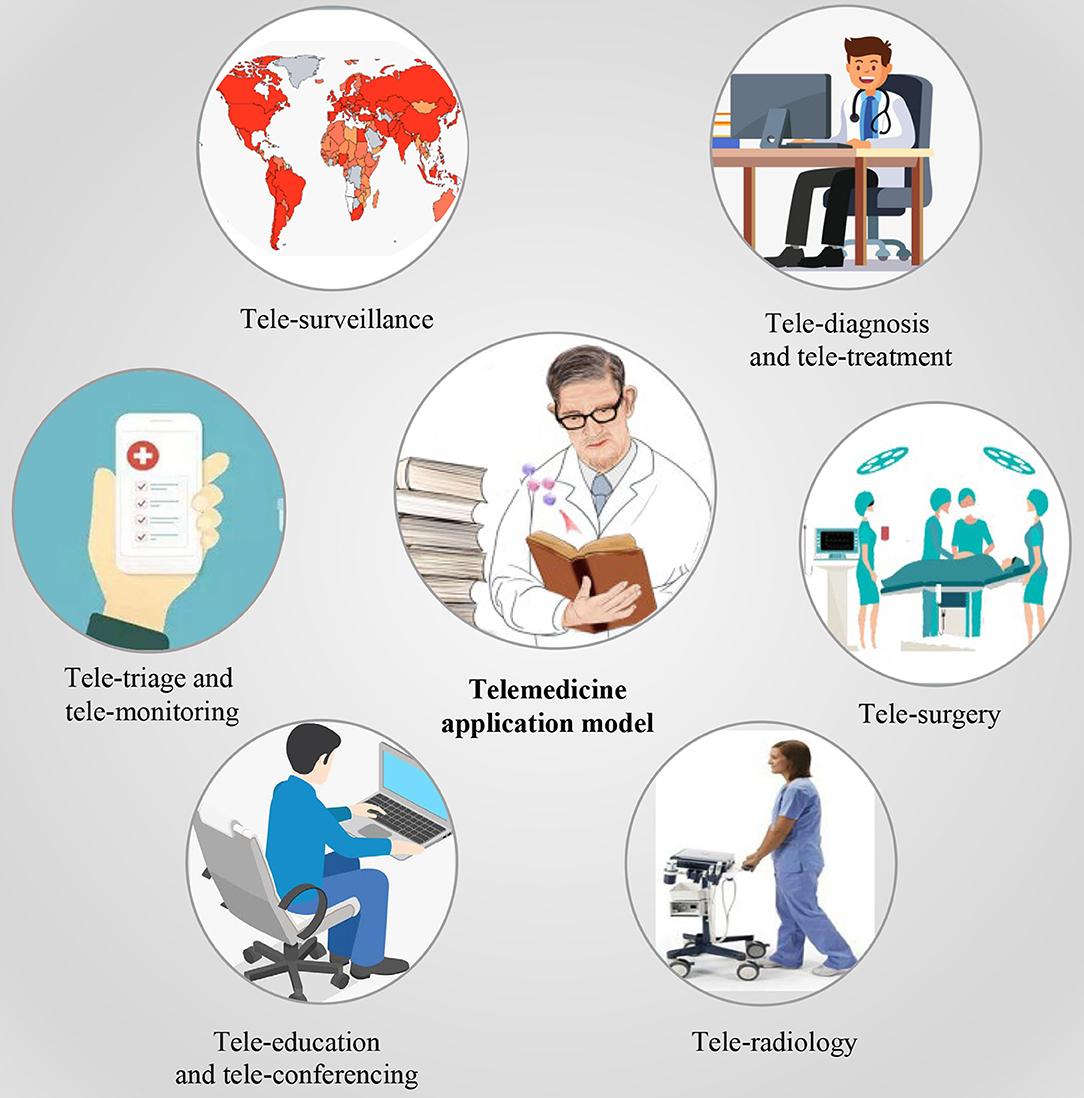
As we look to the future, the lessons learned during the pandemic will shape the evolution of healthcare. The integration of digital technologies, including telemedicine, AI, and IoT, will continue to transform the way healthcare is delivered, making it more accessible, efficient, and patient-centered. The COVID-19 pandemic has not only accelerated the adoption of these technologies but has also underscored their importance in addressing global health challenges. Telemedicine application model

Conclusion

In conclusion, the COVID-19 pandemic has catalyzed a digital revolution in healthcare. The rapid adoption of telemedicine and other digital technologies has demonstrated their potential to enhance healthcare delivery and improve patient outcomes. As we navigate the post-pandemic world, these technologies will play a crucial role in shaping the future of healthcare, ensuring it is resilient, responsive, and ready to tackle any challenges that lie ahead.

More Articles

Getting licensed or staying ahead in your career can be a journey—but it doesn’t have to be overwhelming. Grab your favorite coffee or tea, take a moment to relax, and browse through our articles. Whether you’re just starting out or renewing your expertise, we’ve got tips, insights, and advice to keep you moving forward. Here’s to your success—one sip and one step at a time!

AI Transforming Healthcare: A Leap Forward in Diagnostic Accuracy and Efficiency

"AI's profound impact on healthcare is revolutionizing diagnostic accuracy, surgical precision, and operational efficiency."

AI in Healthcare: Revolutionizing the Medical Field

With the AI healthcare market projected to skyrocket from $20.9 billion in 2024 to an astounding $148.4 billion within five years, the future of AI in healthcare promises unprecedented advancements.

The Fintech Boom: Redefining Banking Services In The Digital Age

The financial services industry is undergoing a seismic shift, driven by the rise of new fintech technologies. These innovations are revolutionizing how people invest, lend, and save money, responding to the modern demand for efficiency and convenience.

By |November 1, 2024|Categories: Article, Finance, Technology|Tags: , |0 Comments

Zoning Reforms to Mitigate America’s Affordable Housing Crisis

The affordable housing crisis in the United States has reached a critical point, prompting cities to consider zoning reforms as a potential solution.

By |November 1, 2024|Categories: Article, Housing, Urban Planning|Tags: , |0 Comments

Navigating Foreign Investments in U.S. Real Estate: Balancing Economic Benefits and National Security

The intricate balance between welcoming foreign investment and safeguarding national interests continues to be a subject of rigorous debate. As the United States navigates this complex terrain, the insights from scholars and regulatory experts will be crucial in shaping effective policies.

Navigating the Shifting Housing Market: Opportunities Amid Falling Mortgage Rates

As mortgage rates continue their descent, the housing market is experiencing a shift that brings homeownership within reach for many. The recent decline in rates has sparked optimism among potential buyers, despite ongoing challenges such as rising home prices and regulatory changes.


By |October 31, 2024|Categories: Article, Mortgage Rates, Real Estate|Tags: , |0 Comments