Telemedicine: A Digital Revolution in Healthcare Amid COVID-19
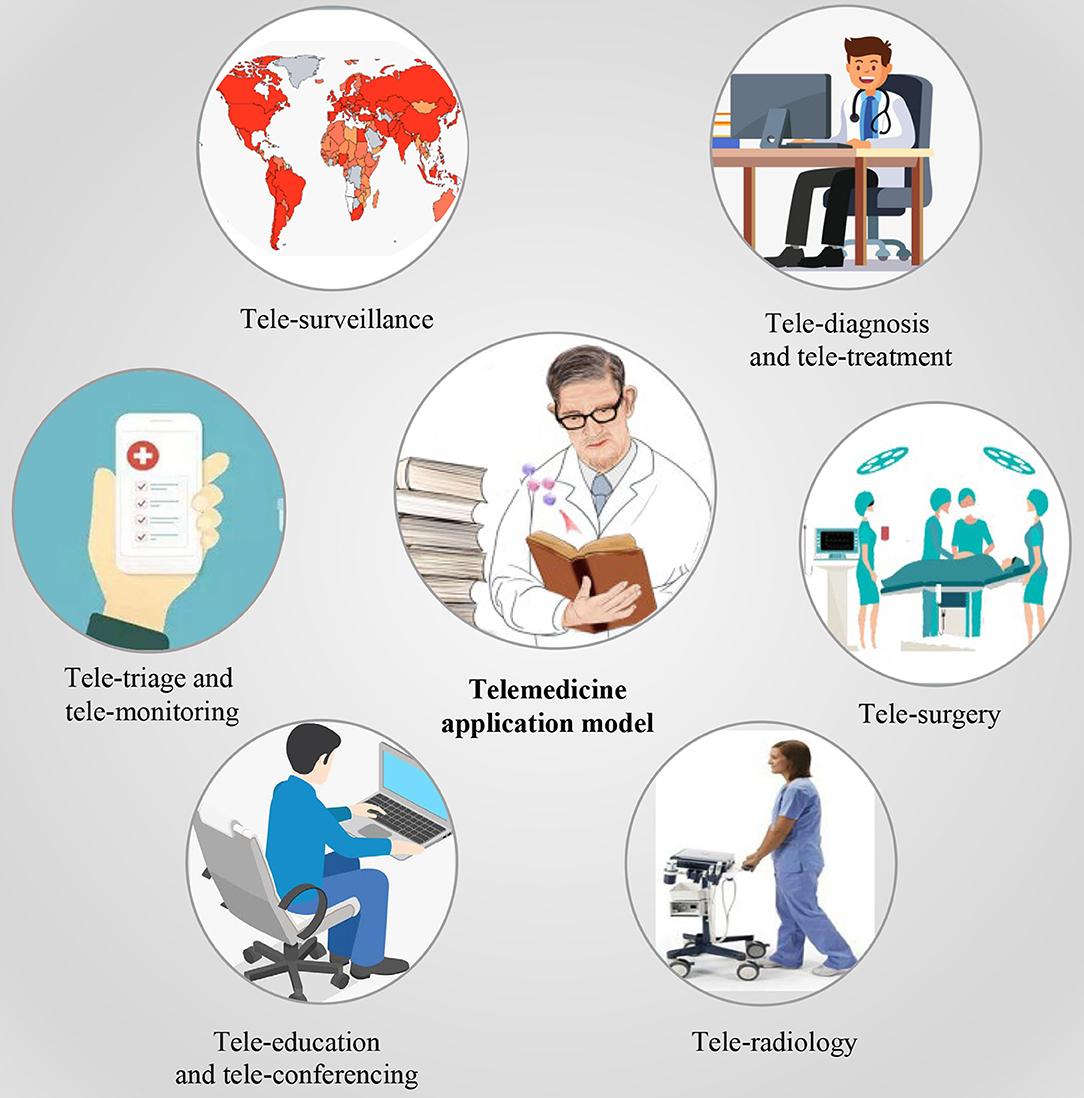
The year 2020 marked a significant turning point in the global healthcare landscape, as the COVID-19 pandemic accelerated the adoption of digital technologies such as telemedicine. This novel approach to healthcare delivery has proven invaluable in overcoming the challenges posed by the pandemic, particularly in terms of providing medical services without the constraints of time and space.
The Rise of Telemedicine
As the pandemic spread across the globe, healthcare systems faced unprecedented pressure. The traditional model of in-person consultations was no longer feasible, leading to a surge in the use of telemedicine. This technology not only facilitated remote consultations but also helped in managing chronic conditions and conducting routine check-ups. The integration of telemedicine into healthcare systems has been a game-changer, ensuring continuity of care while minimizing the risk of virus transmission.
Empowering Healthcare with Technology
The pandemic has also highlighted the potential of other digital technologies. The use of AI in diagnosing COVID-19 and predicting its spread has been instrumental in managing the outbreak. Similarly, the Internet of Things (IoT) has enabled real-time monitoring of patient health, while blockchain technology has ensured secure data sharing.
Challenges and Opportunities
Despite the rapid uptake of telemedicine, several challenges remain. Licensing barriers, reimbursement issues, and concerns about data privacy need to be addressed to fully integrate telemedicine into healthcare systems. However, the pandemic has also created opportunities for innovation, paving the way for a future where digital technologies are an integral part of healthcare delivery.
The Future of Healthcare
As we look to the future, the lessons learned during the pandemic will shape the evolution of healthcare. The integration of digital technologies, including telemedicine, AI, and IoT, will continue to transform the way healthcare is delivered, making it more accessible, efficient, and patient-centered. The COVID-19 pandemic has not only accelerated the adoption of these technologies but has also underscored their importance in addressing global health challenges.
Conclusion
In conclusion, the COVID-19 pandemic has catalyzed a digital revolution in healthcare. The rapid adoption of telemedicine and other digital technologies has demonstrated their potential to enhance healthcare delivery and improve patient outcomes. As we navigate the post-pandemic world, these technologies will play a crucial role in shaping the future of healthcare, ensuring it is resilient, responsive, and ready to tackle any challenges that lie ahead.
More Articles
Getting licensed or staying ahead in your career can be a journey—but it doesn’t have to be overwhelming. Grab your favorite coffee or tea, take a moment to relax, and browse through our articles. Whether you’re just starting out or renewing your expertise, we’ve got tips, insights, and advice to keep you moving forward. Here’s to your success—one sip and one step at a time!
Artificial intelligence is rapidly reshaping the mortgage industry, boosting productivity, reducing manual work, and accelerating loan closings. From automated document data extraction to AI‑generated underwriting narratives and predictive analytics, lenders are using new tools that improve accuracy and drastically speed up processing times. With chatbots, next‑gen point‑of‑sale systems, and end‑to‑end automation, preapprovals that once took days now take minutes. For mortgage and real estate professionals, mastering AI is becoming a major competitive advantage—one that defines who will thrive in the future of lending.
Florida’s property insurance rates are finally starting to drop, but many homeowners are still seeing higher monthly bills. The reason isn’t insurer price hikes—it’s soaring replacement costs driven by construction inflation, labor shortages, and rising home values. Nearly 75 percent of recent premium increases came from higher property values alone. Understanding this gap between “rates” and “premiums” helps homeowners—and real estate and insurance professionals—navigate the shifting Florida market and make smarter coverage decisions.
Milwaukee’s commercial real estate market is finally showing real signs of recovery, with 2025 sales volume hitting a three‑year high and investor confidence steadily returning. Driven by selective, fundamentals‑focused buying—favoring strong cash flow, quality assets, and strategic pricing—the city is moving from a period of correction into a healthier, opportunity‑rich phase. For real estate professionals nationwide, Milwaukee’s momentum reflects broader CRE market stabilization and the growing importance of disciplined underwriting and market expertise.
Industry leaders project a major surge in reverse mortgage activity heading into 2026, fueled by rising proprietary products, lender innovation, and strong investor interest. As high interest rates push originators to adopt new strategies, flexible private‑label options, senior‑focused HELOCs, and a wave of big‑capital investment are reshaping the market. With education and policy shifts poised to unlock even more demand, reverse mortgages are entering their most transformative era yet.
Experts forecast that 2026 may bring long‑awaited relief to homebuyers, with both existing and new home inventory expected to rise. NAR predicts a boost in home sales, a slight drop in mortgage rates, and a modest 4% increase in prices—conditions that could motivate more homeowners to list while builders add over a million new homes to the market. For first‑time buyers, higher loan limits and easing qualification standards may make entering the market more achievable than in recent years.
South Florida enters 2026 with renewed optimism as falling mortgage rates, improving buyer confidence, and a strong job market help stabilize a housing landscape that struggled in 2025—especially in the condo sector. While single-family homes remained resilient last year, condos faced price drops, rising fees, and hesitation tied to new safety regulations. With rates projected to fall to around 5.8% by year’s end, buying power is increasing, inventory may loosen, and activity is expected to pick up. Still, affordability challenges persist, Miami’s rental market remains intensely competitive, and the condo sector’s recovery will take time.

 The Mortgage Industry’s AI Transformation: Automation Reshapes Lending From Application to Approval Gallery