Telemedicine: A Digital Revolution in Healthcare Amid COVID-19
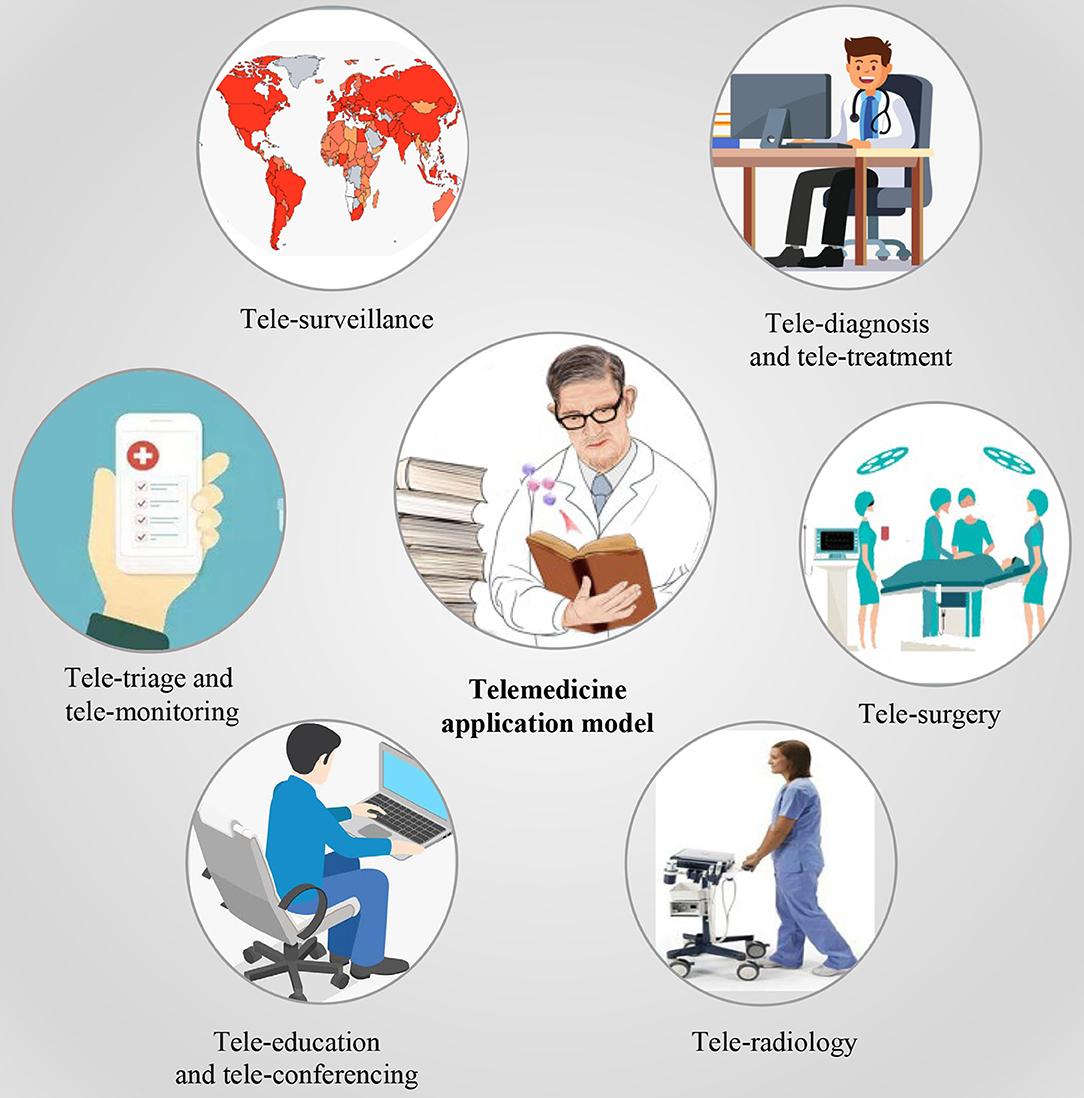
The year 2020 marked a significant turning point in the global healthcare landscape, as the COVID-19 pandemic accelerated the adoption of digital technologies such as telemedicine. This novel approach to healthcare delivery has proven invaluable in overcoming the challenges posed by the pandemic, particularly in terms of providing medical services without the constraints of time and space.
The Rise of Telemedicine
As the pandemic spread across the globe, healthcare systems faced unprecedented pressure. The traditional model of in-person consultations was no longer feasible, leading to a surge in the use of telemedicine. This technology not only facilitated remote consultations but also helped in managing chronic conditions and conducting routine check-ups. The integration of telemedicine into healthcare systems has been a game-changer, ensuring continuity of care while minimizing the risk of virus transmission.
Empowering Healthcare with Technology
The pandemic has also highlighted the potential of other digital technologies. The use of AI in diagnosing COVID-19 and predicting its spread has been instrumental in managing the outbreak. Similarly, the Internet of Things (IoT) has enabled real-time monitoring of patient health, while blockchain technology has ensured secure data sharing.
Challenges and Opportunities
Despite the rapid uptake of telemedicine, several challenges remain. Licensing barriers, reimbursement issues, and concerns about data privacy need to be addressed to fully integrate telemedicine into healthcare systems. However, the pandemic has also created opportunities for innovation, paving the way for a future where digital technologies are an integral part of healthcare delivery.
The Future of Healthcare
As we look to the future, the lessons learned during the pandemic will shape the evolution of healthcare. The integration of digital technologies, including telemedicine, AI, and IoT, will continue to transform the way healthcare is delivered, making it more accessible, efficient, and patient-centered. The COVID-19 pandemic has not only accelerated the adoption of these technologies but has also underscored their importance in addressing global health challenges.
Conclusion
In conclusion, the COVID-19 pandemic has catalyzed a digital revolution in healthcare. The rapid adoption of telemedicine and other digital technologies has demonstrated their potential to enhance healthcare delivery and improve patient outcomes. As we navigate the post-pandemic world, these technologies will play a crucial role in shaping the future of healthcare, ensuring it is resilient, responsive, and ready to tackle any challenges that lie ahead.
More Articles
Getting licensed or staying ahead in your career can be a journey—but it doesn’t have to be overwhelming. Grab your favorite coffee or tea, take a moment to relax, and browse through our articles. Whether you’re just starting out or renewing your expertise, we’ve got tips, insights, and advice to keep you moving forward. Here’s to your success—one sip and one step at a time!
At the 2025 Florida Chamber Insurance Summit, Insurance Commissioner Mike Yaworsky announced that Florida’s long‑volatile insurance market has at last regained stability. After a decade marked by runaway litigation, inflated claims, and insurer exits, the sweeping tort and insurance reforms passed in 2022 and 2023 have reversed the decline. Litigation has fallen to pre‑2019 levels, new carriers and reinsurers are entering the state, and consumers now have more options than they’ve seen in years. Yaworsky cautioned, however, that rolling back these reforms would undo the progress and impose massive costs on Floridians.
Driving with an expired license is illegal in nearly every state, and in 2025 the consequences are more serious than most people realize. From fines and potential jail time to denied insurance claims and professional repercussions, even a simple lapse can create a ripple effect—especially for licensed professionals in real estate, insurance, mortgage, and finance. This quick morning read breaks down the real penalties, why professionals should pay attention, and how to renew your license before it becomes a costly mistake.
A new wave of chat‑based AI tools is reshaping how quickly real estate professionals can prepare and enhance listing photos. By simply describing changes—like brightening a kitchen, removing clutter, or fully staging a room—agents and property managers can produce high‑impact images in minutes. This technology not only speeds up market readiness but also boosts renter and buyer engagement by presenting spaces at their full potential from the very first glance.
The rental market is gearing up for major shifts in 2026, from rising compliance demands and surging insurance costs to the rapid adoption of AI‑powered property management tools. Tenants’ expectations are evolving just as quickly, pushing owners to deliver lifestyle‑driven communities rather than simple lease agreements. Investors and operators who embrace technology, stay ahead of regulatory changes and prioritize renter experience will be best positioned to thrive in the coming year.
Artificial intelligence is transforming real estate at lightning speed, turning days of manual work into minutes of automated insight. With the AI real estate market projected to soar from $222.65B in 2024 to over $975B by 2029, professionals who understand this technology now will lead the industry tomorrow. From smarter valuations to automated workflows and predictive analytics, AI is redefining how agents, investors, and property managers operate—making today the perfect time to embrace the tools shaping the future of real estate.
As AI takes over the repetitive tasks that slow agents down, industry expert Matt Britton says the future of real estate belongs to professionals who combine intelligent automation with irreplaceable human trust. Speaking to thousands at NAR NXT 2025, Britton emphasized that the next wave of success will come from agents who embrace AI workflows while doubling down on what technology can’t replicate: empathy, creativity, and meaningful client relationships.