Telemedicine: A Revolution in Healthcare


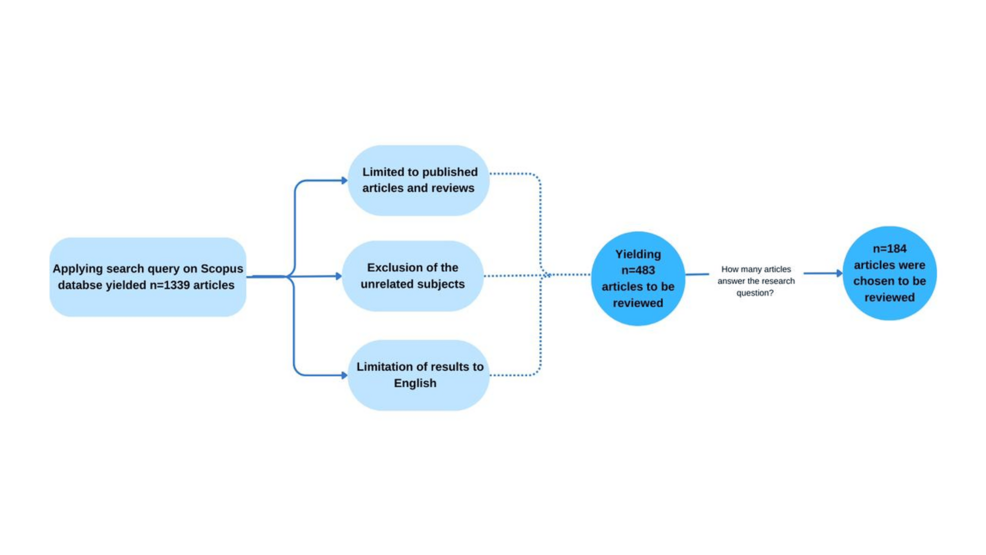
In a world where technology is rapidly reshaping every facet of our lives, the healthcare sector is no exception. The recent review published in Cureus delves into the transformative role of telemedicine and telehealth, particularly in public healthcare. This narrative review highlights the integration of telehealth and telemedicine, their historical milestones, and how the COVID-19 pandemic accelerated their adoption.

Historical Milestones and Definitions


Telemedicine, a term coined in the 1970s, literally means “distance healing.” Its roots trace back to the early 1900s with the transmission of electrocardiograms over telephone lines. Fast forward to today, and telehealth encompasses a wide array of services, from video consultations to remote monitoring, making healthcare more accessible than ever before.

Methodologies and Discussions


The review underscores the importance of telemedicine in bridging the gap between healthcare providers and patients, especially in rural areas where access to medical facilities is limited. However, it also acknowledges the challenges, such as regulatory hurdles and infrastructure issues, that must be addressed to fully realize the potential of telehealth.

Benefits and Challenges


Telemedicine offers numerous benefits, including cost-effectiveness, improved access to healthcare, and enhanced emergency preparedness. Yet, challenges remain, such as ensuring patient information security and overcoming technical obstacles in remote areas. The review provides a balanced view, highlighting both the advantages and potential drawbacks of telehealth.

The COVID-19 Pandemic’s Influence


The pandemic has been a catalyst for telemedicine, forcing healthcare systems worldwide to adopt digital solutions quickly. This shift has proven beneficial, particularly for underserved communities, by providing continuous care without the need for physical visits. The review emphasizes the need for ongoing innovation to create user-friendly platforms that cater to both providers and patients.

Recent Technological Advancements


Recent advancements in telehealth technology, such as remote patient monitoring, are paving the way for more comprehensive healthcare solutions. These innovations are crucial, especially as the global population ages, necessitating efficient and cost-effective healthcare delivery.

Conclusion


Telemedicine and telehealth are no longer futuristic concepts but vital components of modern healthcare. As the review suggests, their role in enhancing healthcare access is undeniable, yet challenges persist. Addressing these barriers will be key to unlocking the full potential of telehealth and ensuring equitable healthcare for all.

More Articles

Getting licensed or staying ahead in your career can be a journey—but it doesn’t have to be overwhelming. Grab your favorite coffee or tea, take a moment to relax, and browse through our articles. Whether you’re just starting out or renewing your expertise, we’ve got tips, insights, and advice to keep you moving forward. Here’s to your success—one sip and one step at a time!

2025 Commercial Real Estate Outlook: Navigating a New Era

The commercial real estate landscape is on the brink of transformation as leaders seek to navigate the challenges of recent years and position their organizations for future opportunities.

The Emerging Mental Health Crisis Among Healthcare Workers During the COVID-19 Pandemic

The pandemic has ushered in a wave of mental health challenges that affect healthcare workers profoundly. From the onset of COVID-19, these professionals have been at the forefront, facing immense pressure, long hours, and the constant fear of exposure.

By |December 18, 2024|Categories: Article, Healthcare Workers, Mental Health|Tags: , |0 Comments

Ethical Concerns of Large Language Models in Healthcare

Exploring the dual nature of LLMs offers substantial benefits in healthcare but also raises significant ethical concerns, underscoring the need for well-defined guidelines and human oversight.

The Role of Wearable Devices in Chronic Disease Monitoring and Patient Care: A Comprehensive Review

Wearable devices have become integral in managing chronic conditions by providing continuous health data, empowering patients and healthcare professionals with insights that were previously unattainable.

AI Training Mandates: Navigating Legal Waters in Dentistry

The integration of artificial intelligence (AI) into dental practices is more than a technological trend; it represents a seismic shift in the industry. This transformation is reshaping skill sets and prompting a thorough examination of legal and ethical implications.

By |December 17, 2024|Categories: Article, Legal, Technology|Tags: , |0 Comments

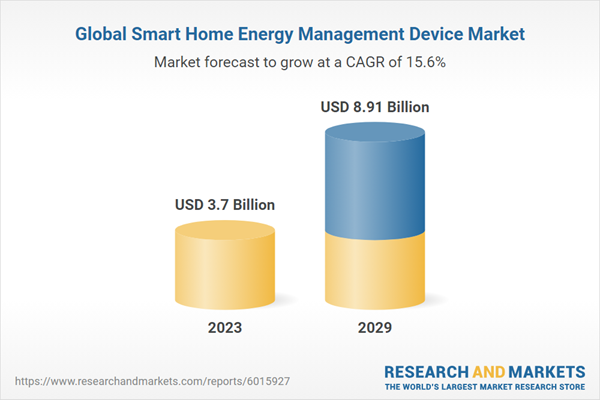
Smart Home Energy Management Devices: A Market Poised for Growth

The Global Smart Home Energy Management Device Market is on the brink of a significant transformation, driven by escalating demands for energy-efficient solutions and the increasing adoption of smart home technologies.