Telemedicine: A Revolution in Healthcare


In a world where technology is rapidly reshaping every facet of our lives, the healthcare sector is no exception. The recent review published in Cureus delves into the transformative role of telemedicine and telehealth, particularly in public healthcare. This narrative review highlights the integration of telehealth and telemedicine, their historical milestones, and how the COVID-19 pandemic accelerated their adoption.

Historical Milestones and Definitions


Telemedicine, a term coined in the 1970s, literally means “distance healing.” Its roots trace back to the early 1900s with the transmission of electrocardiograms over telephone lines. Fast forward to today, and telehealth encompasses a wide array of services, from video consultations to remote monitoring, making healthcare more accessible than ever before.

Methodologies and Discussions


The review underscores the importance of telemedicine in bridging the gap between healthcare providers and patients, especially in rural areas where access to medical facilities is limited. However, it also acknowledges the challenges, such as regulatory hurdles and infrastructure issues, that must be addressed to fully realize the potential of telehealth.

Benefits and Challenges


Telemedicine offers numerous benefits, including cost-effectiveness, improved access to healthcare, and enhanced emergency preparedness. Yet, challenges remain, such as ensuring patient information security and overcoming technical obstacles in remote areas. The review provides a balanced view, highlighting both the advantages and potential drawbacks of telehealth.

The COVID-19 Pandemic’s Influence


The pandemic has been a catalyst for telemedicine, forcing healthcare systems worldwide to adopt digital solutions quickly. This shift has proven beneficial, particularly for underserved communities, by providing continuous care without the need for physical visits. The review emphasizes the need for ongoing innovation to create user-friendly platforms that cater to both providers and patients.

Recent Technological Advancements


Recent advancements in telehealth technology, such as remote patient monitoring, are paving the way for more comprehensive healthcare solutions. These innovations are crucial, especially as the global population ages, necessitating efficient and cost-effective healthcare delivery.

Conclusion


Telemedicine and telehealth are no longer futuristic concepts but vital components of modern healthcare. As the review suggests, their role in enhancing healthcare access is undeniable, yet challenges persist. Addressing these barriers will be key to unlocking the full potential of telehealth and ensuring equitable healthcare for all.

More Articles

Getting licensed or staying ahead in your career can be a journey—but it doesn’t have to be overwhelming. Grab your favorite coffee or tea, take a moment to relax, and browse through our articles. Whether you’re just starting out or renewing your expertise, we’ve got tips, insights, and advice to keep you moving forward. Here’s to your success—one sip and one step at a time!

Building an Integrated Approach to Real Estate Sustainability

Nearly 60% of global real estate CFOs lack the necessary data, processes, or internal controls to comply with current environmental regulations.

The Blockchain Revolution: Building the Future of Finance with DeFi

DeFi emerges as a beacon of transformation, promising to revolutionize how we interact with money. DeFi stands at the forefront, offering instant, transparent transactions without the constraints of conventional banking systems. This new paradigm opens doors to innovative investment opportunities and fosters a more inclusive global economy.

By |December 8, 2024|Categories: Article, Finance, Technology|Tags: , |0 Comments

Artificial Intelligence: A New Frontier in Neurological Care

AI's integration into neurology is not just a fleeting trend; it's a significant shift in how healthcare professionals approach complex neurological disorders.

By |December 8, 2024|Categories: Article, Healthcare, Technology|Tags: , |0 Comments

Celebrating Commitment to Physician Well-being

The American Medical Association (AMA) has recognized 62 health care organizations through its Joy in Medicine™ Health System Recognition Program. These organizations, representing over 140,000 physicians, have been acknowledged for their innovative strategies aimed at reducing stress and enhancing mental health among doctors.

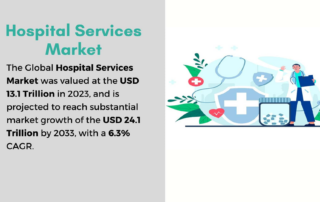
Global Hospital Services Market Set for Substantial Growth

The global hospital services market is undergoing a significant transformation, with projections indicating robust growth over the next decade. As of 2023, the market was valued at USD 13.1 trillion and is expected to soar to an impressive USD 24.1 trillion by 2033, boasting a compound annual growth rate (CAGR) of 6.3%. This optimistic forecast, reported by Market.us Media, is driven by advancements in medical technology, increased healthcare expenditures, and the rising prevalence of chronic diseases.

By |December 7, 2024|Categories: Article, Healthcare, Market Analysis|Tags: , |0 Comments

Unlocking the Potential of Modular Construction in Ontario’s Housing Market

In the bustling realm of Ontario's housing market, modular construction is emerging as a beacon of hope amid a pressing demand for new homes.


By |December 7, 2024|Categories: Article, Construction, Technology|Tags: , |0 Comments