Texas Investors Saddle Up and Ride Into San Francisco’s Real Estate Bargain Boom

Texas-themed illustration

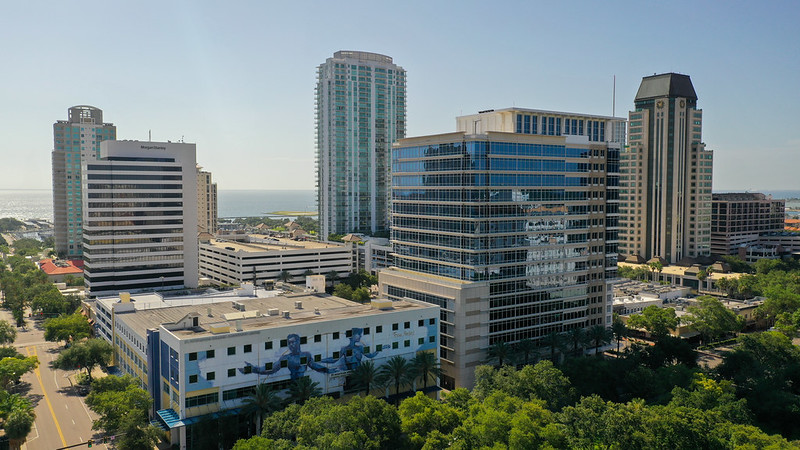
San Francisco’s commercial real estate market has a new sheriff in town—and they’re wearing cowboy boots. Investors from Texas are riding into downtown properties, snapping up buildings at prices the city hasn’t witnessed in decades. From Union Square to California Street, Lone Star capital is giving new life to a market many thought was on life support.

One of the most talked‑about grabs is the seven‑story One Union Square building at Geary and Stockton, which recently slipped into foreclosure. The Standard reports that Texans have been among the most enthusiastic bidders eyeing distressed assets across the district.

Lone Star Funds Rides Into Town

Texas-based Lone Star Funds has quietly emerged as the likely buyer for the 360,000‑square‑foot tower at 600 California Street—formerly a flagship WeWork location. Though the Dallas investment group remains tight‑lipped, industry insiders claim a deal is fast approaching. More details surfaced from BizJournals.

Related Market Moves

Other major players are saddling up as well—from bidders circling the long‑struggling Oceanwide Center to Goodwill of Silicon Valley stepping unexpectedly into office‑landlord territory. Check out these stories:

Downtown’s $1.6B ‘money pit’ is close to getting scooped up

Your favorite thrift store just became a San Jose office landlord

This arts nonprofit lost venues—so it opened its own

Why Everyone Suddenly Wants SF Again

According to Derek Daniels, research director at Colliers, San Francisco’s “boom loop” recovery narrative is gaining traction. Outside investors—especially from Texas—see a city poised for a rebound rather than another slide.

He credits Mayor Daniel Lurie for helping restore investor confidence by amplifying the city’s recovery story nationwide. And confidence, as we know, is worth its weight in gold—or in this case, square footage.

Union Square: The Comeback Kid

Kelly Glass, principal at Avison Young, says out‑of‑state investors are increasingly energized by new leasing momentum throughout Union Square. “There’s a new investor pool focused on the area,” she shared. “Whenever I speak to them, they’re like, ‘Oh, you’re getting us excited,’ because the volume is there.”

That excitement is matched by investors not only from Texas, but New York, Alaska, and Southern California. Uris Acquisitions—rooted deeply in NY real estate—has scooped up three Powell Street buildings since May alone.

Have We Hit the Bottom?

Lacie Ravina, vice president at Colliers, believes the answer is clear: yes. “I think it signifies that we’ve bottomed out, and investors have realized that it’s time to acquire buildings at historic lows,” she explained. With inquiries pouring in and momentum building, she expects the trend to continue well into next year.

For real estate professionals—whether working in California, Texas, or right here in Florida—this moment is a reminder that market cycles always turn. And for students strengthening their skills or adding new licenses, programs through Cameron Academy help professionals stay competitive as markets shift nationwide.

Source reporting courtesy of The San Francisco Standard.

More Articles

Getting licensed or staying ahead in your career can be a journey—but it doesn’t have to be overwhelming. Grab your favorite coffee or tea, take a moment to relax, and browse through our articles. Whether you’re just starting out or renewing your expertise, we’ve got tips, insights, and advice to keep you moving forward. Here’s to your success—one sip and one step at a time!

Nevada Becomes First State to Allow Homeowners Insurance Without Wildfire Coverage

Nevada has enacted a first‑in‑the‑nation law permitting insurers to sell homeowners policies that exclude wildfire coverage, a move supporters say could help stabilize premiums but critics warn may leave homeowners financially devastated. The policy shift positions Nevada as a testing ground for potential nationwide changes, raising major implications for real estate, mortgage, and insurance professionals as lenders, high‑risk communities, and regulators navigate the evolving landscape.

Tampa Bay Office Market Ends 2025 with Its Strongest Performance Since 2016

Tampa Bay’s office sector just delivered its most powerful year in nearly a decade, according to JLL’s Q4 2025 report. With more than 600,000 square feet of positive net absorption, falling vacancies, shrinking inventory, and major tenants like Fisher Investments and GEICO locking in massive leases, the region is emerging as one of the nation’s strongest post‑recovery office markets. The surge in demand for high‑quality space is driving rents up, tightening supply, and setting the stage for continued momentum into 2026.

CFPB Unveils Key Updates to Mortgage Registry Data Rules

The Consumer Financial Protection Bureau has proposed new updates to the Nationwide Mortgage Licensing System and Registry, expanding data collection, tightening verification standards, and refreshing record‑retention rules. These changes aim to strengthen background checks, enhance regulatory oversight, and align the system with federal requirements—impacting both current and aspiring mortgage loan originators nationwide.

Nevada Breaks New Ground With Controversial Wildfire‑Excluded Insurance Policies

Nevada has become the first state to let insurers sell homeowners policies that exclude wildfire coverage — a dramatic shift that could reshape insurance pricing across the West. Supporters say the move may lower premiums and spark innovation, while critics warn it could leave homeowners exposed to devastating losses. As regulators and insurers nationwide watch closely, the experiment could have major implications for real estate, mortgages, and insurance markets.

Florida’s Insurance Crisis Finally Eases as New Bills Target Lower Premiums and Greater Transparency

After years of soaring premiums and insurer failures, Florida lawmakers are rolling out a new slate of reforms aimed at finally delivering relief to homeowners. From cracking down on profit‑sharing affiliates to unveiling hidden rate factors and rewarding claim‑free residents, these proposals could reshape the state’s insurance landscape — and bring real savings to property owners and real estate professionals alike.

C‑PACE Financing Hits New Record as Developers Turn to Alternative Capital

With traditional CRE lending slowing nationwide, C‑PACE financing is surging to all‑time highs — including a record‑setting $465 million loan for a major D.C. redevelopment. Backed by long repayment terms, fixed rates, and tax‑assessment security, C‑PACE is rapidly becoming a preferred tool for funding energy efficiency, resiliency upgrades, and even large‑scale project recapitalizations. Major players like Nuveen Green Capital and Peachtree Group are driving billions in new volume as 40 states adopt the program, signaling a major shift in how commercial real estate projects are financed.