Texas Investors Saddle Up and Ride Into San Francisco’s Real Estate Bargain Boom

Texas-themed illustration

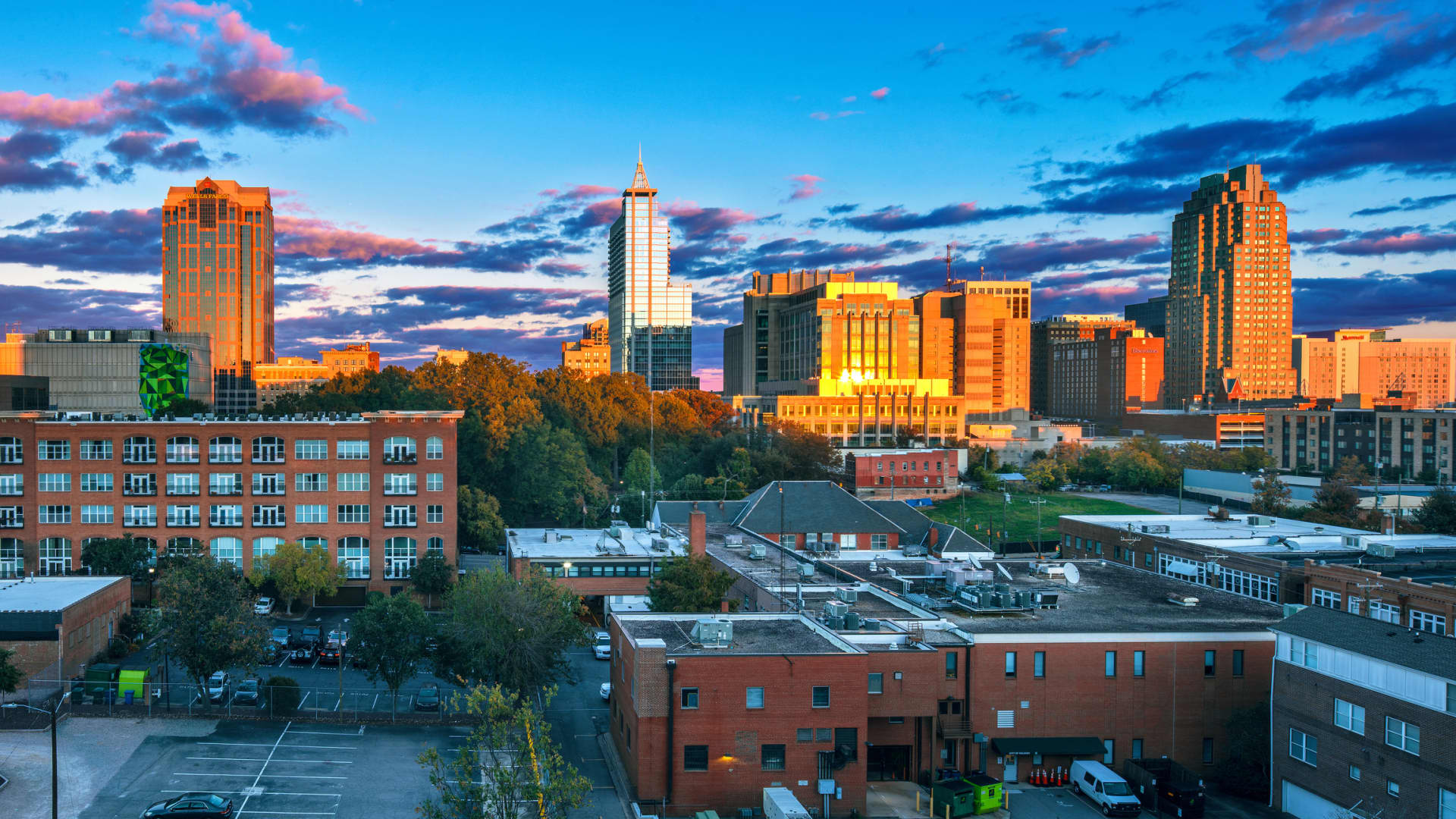
San Francisco’s commercial real estate market has a new sheriff in town—and they’re wearing cowboy boots. Investors from Texas are riding into downtown properties, snapping up buildings at prices the city hasn’t witnessed in decades. From Union Square to California Street, Lone Star capital is giving new life to a market many thought was on life support.

One of the most talked‑about grabs is the seven‑story One Union Square building at Geary and Stockton, which recently slipped into foreclosure. The Standard reports that Texans have been among the most enthusiastic bidders eyeing distressed assets across the district.

Lone Star Funds Rides Into Town

Texas-based Lone Star Funds has quietly emerged as the likely buyer for the 360,000‑square‑foot tower at 600 California Street—formerly a flagship WeWork location. Though the Dallas investment group remains tight‑lipped, industry insiders claim a deal is fast approaching. More details surfaced from BizJournals.

Related Market Moves

Other major players are saddling up as well—from bidders circling the long‑struggling Oceanwide Center to Goodwill of Silicon Valley stepping unexpectedly into office‑landlord territory. Check out these stories:

Downtown’s $1.6B ‘money pit’ is close to getting scooped up

Your favorite thrift store just became a San Jose office landlord

This arts nonprofit lost venues—so it opened its own

Why Everyone Suddenly Wants SF Again

According to Derek Daniels, research director at Colliers, San Francisco’s “boom loop” recovery narrative is gaining traction. Outside investors—especially from Texas—see a city poised for a rebound rather than another slide.

He credits Mayor Daniel Lurie for helping restore investor confidence by amplifying the city’s recovery story nationwide. And confidence, as we know, is worth its weight in gold—or in this case, square footage.

Union Square: The Comeback Kid

Kelly Glass, principal at Avison Young, says out‑of‑state investors are increasingly energized by new leasing momentum throughout Union Square. “There’s a new investor pool focused on the area,” she shared. “Whenever I speak to them, they’re like, ‘Oh, you’re getting us excited,’ because the volume is there.”

That excitement is matched by investors not only from Texas, but New York, Alaska, and Southern California. Uris Acquisitions—rooted deeply in NY real estate—has scooped up three Powell Street buildings since May alone.

Have We Hit the Bottom?

Lacie Ravina, vice president at Colliers, believes the answer is clear: yes. “I think it signifies that we’ve bottomed out, and investors have realized that it’s time to acquire buildings at historic lows,” she explained. With inquiries pouring in and momentum building, she expects the trend to continue well into next year.

For real estate professionals—whether working in California, Texas, or right here in Florida—this moment is a reminder that market cycles always turn. And for students strengthening their skills or adding new licenses, programs through Cameron Academy help professionals stay competitive as markets shift nationwide.

Source reporting courtesy of The San Francisco Standard.

More Articles

Getting licensed or staying ahead in your career can be a journey—but it doesn’t have to be overwhelming. Grab your favorite coffee or tea, take a moment to relax, and browse through our articles. Whether you’re just starting out or renewing your expertise, we’ve got tips, insights, and advice to keep you moving forward. Here’s to your success—one sip and one step at a time!

Illinois Launches 2026 With 200+ New Laws Reshaping Work, Healthcare, and Education

Illinois kicked off the new year with more than 200 laws taking effect, impacting professionals across healthcare, insurance, real estate, education, and other regulated industries. From major healthcare coverage expansions to new AI hiring limits, enhanced worker protections, school safety reforms, and upgraded public‑safety standards, nearly every sector will see meaningful changes. As compliance expectations grow, institutions like Cameron Academy help professionals stay prepared and career‑ready in an evolving regulatory landscape.

Why Distressed Properties Could Become the Top Commercial Real Estate Opportunity of 2026

As commercial real estate moves beyond two turbulent years, 2026 is emerging as a year of growth for professionals who know where to look. According to First American economist Xander Snyder, the biggest wins may come not from booming sectors but from distressed properties—especially those with short‑term issues that can recover with creative financing, recapitalization, or strategic repositioning. Multifamily distress, selective office restructuring, and the rise of non‑QM lending are setting the stage for brokers, investors, and new licensees to capitalize on flexible deal‑making and evolving market conditions.

2026 Becomes America’s Housing Turning Point

Housing is taking over the national spotlight in 2026, with federal leaders, big‑city mayors, and market professionals all zeroing in on affordability, supply, and sweeping policy changes. From President Trump’s promised reform agenda to looming Section 8 funding risks and aggressive city‑level zoning overhauls, the year is shaping up to be one of the most consequential periods for real estate and related licensed professions. For agents, mortgage brokers, insurance specialists, and anyone tied to the housing ecosystem, rapid shifts in policy and market conditions make 2026 a year where preparation, education, and adaptability will be essential.

When a Familiar Voice Becomes a Perfect Fake: AI Fraud Strikes Real Estate Finance

A lender wires $4.2 million after receiving what sounded like a routine call from a borrower’s attorney—same voice, same tone, same mannerisms. By morning, the truth emerges: the email was hacked, the phone call was an AI‑generated voice clone, and the money is gone. As scammers use AI to mimic voices, emails, and documents with startling accuracy, real estate finance has become a prime target. The industry’s growing reliance on AI brings efficiency, but also dangerous new vulnerabilities, pushing regulators, insurers, and professionals to rethink verification, security, and trust itself.

Americans Are Moving Differently — And It’s Reshaping Commercial Real Estate

A new wave of migration is changing the shape of commercial real estate as Americans trade costly metros for more affordable, lifestyle-friendly regions. Smaller Southern and mid‑Atlantic markets are gaining momentum, while pandemic boom states like Florida, Texas, and Arizona are now leveling off. These shifts are influencing demand for housing, retail, office parks, warehouses, and even self‑storage, signaling both fresh opportunities and heightened caution for investors and real estate professionals.

Florida May Slash or Eliminate Property Taxes in 2026, Sparking Hope and Alarm Across the State

Florida is gearing up for a potential overhaul of its property tax system, with lawmakers pushing proposals that could dramatically reduce or even eliminate property taxes by 2026. Homeowners facing rising bills welcome the idea, but city and county leaders warn it could cripple essential services like police, fire response, and local infrastructure. As political tensions escalate — including accusations of overspending and sharp pushback from local officials — real estate professionals should prepare for major market impacts if reforms move forward.