Texas Investors Saddle Up and Ride Into San Francisco’s Real Estate Bargain Boom

Texas-themed illustration

San Francisco’s commercial real estate market has a new sheriff in town—and they’re wearing cowboy boots. Investors from Texas are riding into downtown properties, snapping up buildings at prices the city hasn’t witnessed in decades. From Union Square to California Street, Lone Star capital is giving new life to a market many thought was on life support.

One of the most talked‑about grabs is the seven‑story One Union Square building at Geary and Stockton, which recently slipped into foreclosure. The Standard reports that Texans have been among the most enthusiastic bidders eyeing distressed assets across the district.

Lone Star Funds Rides Into Town

Texas-based Lone Star Funds has quietly emerged as the likely buyer for the 360,000‑square‑foot tower at 600 California Street—formerly a flagship WeWork location. Though the Dallas investment group remains tight‑lipped, industry insiders claim a deal is fast approaching. More details surfaced from BizJournals.

Related Market Moves

Other major players are saddling up as well—from bidders circling the long‑struggling Oceanwide Center to Goodwill of Silicon Valley stepping unexpectedly into office‑landlord territory. Check out these stories:

Downtown’s $1.6B ‘money pit’ is close to getting scooped up

Your favorite thrift store just became a San Jose office landlord

This arts nonprofit lost venues—so it opened its own

Why Everyone Suddenly Wants SF Again

According to Derek Daniels, research director at Colliers, San Francisco’s “boom loop” recovery narrative is gaining traction. Outside investors—especially from Texas—see a city poised for a rebound rather than another slide.

He credits Mayor Daniel Lurie for helping restore investor confidence by amplifying the city’s recovery story nationwide. And confidence, as we know, is worth its weight in gold—or in this case, square footage.

Union Square: The Comeback Kid

Kelly Glass, principal at Avison Young, says out‑of‑state investors are increasingly energized by new leasing momentum throughout Union Square. “There’s a new investor pool focused on the area,” she shared. “Whenever I speak to them, they’re like, ‘Oh, you’re getting us excited,’ because the volume is there.”

That excitement is matched by investors not only from Texas, but New York, Alaska, and Southern California. Uris Acquisitions—rooted deeply in NY real estate—has scooped up three Powell Street buildings since May alone.

Have We Hit the Bottom?

Lacie Ravina, vice president at Colliers, believes the answer is clear: yes. “I think it signifies that we’ve bottomed out, and investors have realized that it’s time to acquire buildings at historic lows,” she explained. With inquiries pouring in and momentum building, she expects the trend to continue well into next year.

For real estate professionals—whether working in California, Texas, or right here in Florida—this moment is a reminder that market cycles always turn. And for students strengthening their skills or adding new licenses, programs through Cameron Academy help professionals stay competitive as markets shift nationwide.

Source reporting courtesy of The San Francisco Standard.

More Articles

Getting licensed or staying ahead in your career can be a journey—but it doesn’t have to be overwhelming. Grab your favorite coffee or tea, take a moment to relax, and browse through our articles. Whether you’re just starting out or renewing your expertise, we’ve got tips, insights, and advice to keep you moving forward. Here’s to your success—one sip and one step at a time!

Florida’s Middle Class Is Being Squeezed Out: Insurance Costs, Rebuilding Struggles, and a Changing Coastline

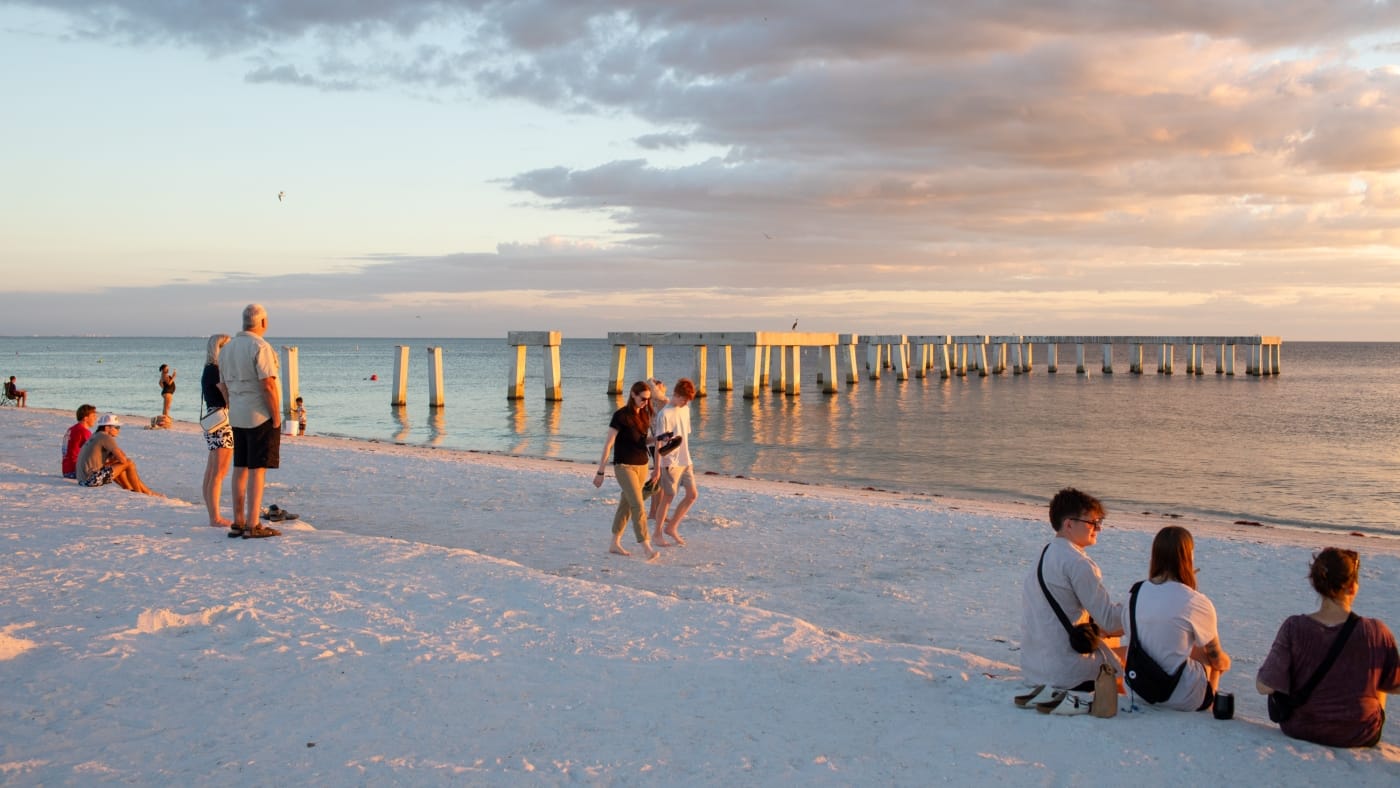
Fort Myers Beach is becoming the front line of a new Florida—one shaped by hurricane devastation, soaring insurance premiums, and rapid gentrification. Three years after Hurricane Ian, residents are still battling massive rebuilding costs and insurance bills that now exceed $5,700 a year on average, with flood insurance reaching $10,000 for some families. Long-time locals, small businesses, and service workers are being priced out as wealthy investors move in, transforming once-affordable coastal communities. Real estate professionals warn that foreclosures may rise if economic pressures continue, signaling a pivotal moment for Florida’s housing market and the professionals who serve it.

Top 2026 Commercial Real Estate Issues Every Professional Should Watch

Economic uncertainty, AI disruption, slowing population growth, and rising portfolio risk are reshaping commercial real estate heading into 2026. A new report unveiled at NAR NXT highlights the forces that will reward informed professionals — and challenge those who aren’t prepared. From fiscal policy and shifting capital flows to tech transformation and housing shortages, the landscape is evolving fast. Cameron Academy breaks down the key issues so real estate, mortgage, finance, and insurance professionals can stay ahead of the curve.

Federal Climate Funding Pulled, Leaving Billions in Real Estate Risk Exposed

A sudden federal shutdown of FEMA’s BRIC resiliency program has left cities and commercial property owners scrambling, exposing billions in real estate to rising climate threats. With nearly a billion dollars in mitigation funding clawed back and extreme weather intensifying, insurance premiums are expected to surge and coverage may shrink — placing new pressure on markets like Florida and New York.

Florida Lawmakers Push Bill to Limit Local Power Over Housing Approvals

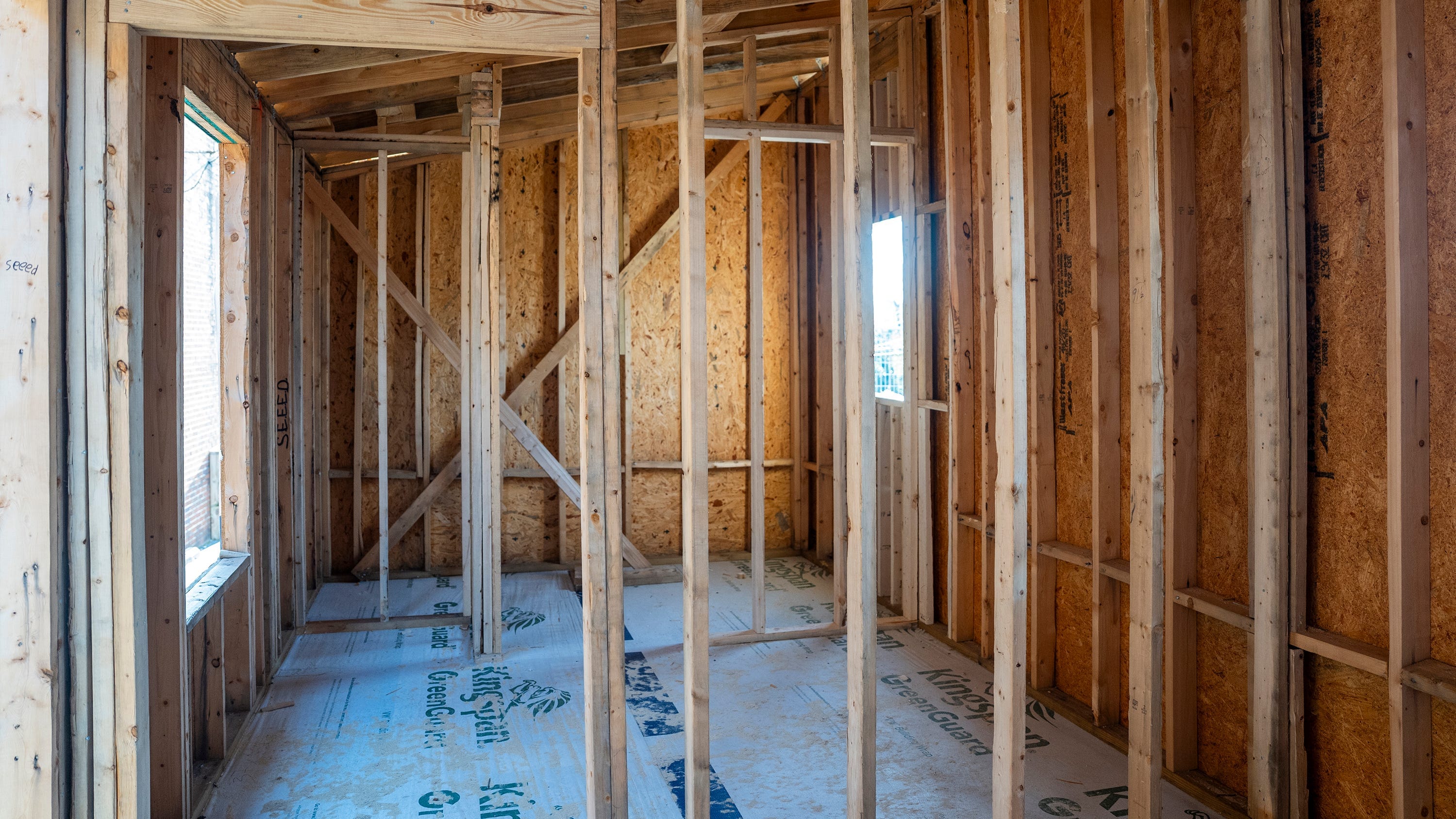
A new Florida Senate bill aims to stop cities and counties from blocking residential developments over vague “compatibility” concerns. Supporters say the measure would speed up homebuilding and ease housing shortages, while opponents argue it strips communities of essential oversight and could accelerate growth without proper planning. The proposal could reshape development timelines and land-use decisions statewide, making it a major issue for real estate professionals to watch.

Cape Coral Housing Market Shifts in Favor of Buyers as Homes Linger 119 Days

Cape Coral–Fort Myers has officially moved into buyer-friendly territory, with homes now sitting a median 119 days on the market—far longer than both the Florida and U.S. averages. Rising inventory, a 36.9 percent price‑reduction rate, and slower absorption compared to accumulated supply are giving buyers more leverage and time to negotiate, signaling a meaningful reset in this once‑fast‑moving Florida market.

Kansas City’s Commercial Real Estate Market Finds Its Momentum Again

Kansas City’s commercial real estate sector is finally turning a corner after several years of sluggish activity. Retail is leading the rebound, while multifamily and industrial properties are gaining traction as pricing stabilizes and buyer confidence returns. A standout 2025 transaction—the sale of the 380‑unit Cyan Southcreek community—signals that capital is flowing back into the market. With bid‑ask spreads tightening and investor optimism rising, Kansas City is entering a period of renewed opportunity for real estate professionals and investors alike.