Texas Money Saddles Up in San Francisco: Why Lone Star Investors Are Betting Big on Union Square
San Francisco’s commercial real estate market has been through the wringer—but in a twist nobody saw coming, the cavalry has arrived from Texas. Investors from the Lone Star State are scooping up discounted buildings in Union Square and downtown SF, transforming the city’s post‑pandemic slump into a bargain‑hunter’s dream.
According to a recent report from The SF Standard, Texas capital is flowing into major commercial properties, including the seven‑story One Union Square building and potentially the massive 360,000‑square‑foot tower at 600 California Street—once a key part of WeWork’s empire. Dallas‑based Lone Star Funds is widely believed to be the buyer, though the company isn’t talking. Yet.
Why the Sudden Texas Invasion?
The answer lies in timing and opportunity. Derek Daniels, research director at Colliers, says San Francisco’s ongoing recovery has reignited national interest. The city’s once‑struggling “boom loop” is showing signs of life, and investors across the country are tuning in.
“As the recovery gains momentum, we’re seeing renewed interest from investors outside the region,” Daniels said. He credits Mayor Daniel Lurie for boosting confidence through consistent messaging that SF is back in business.
Union Square: From Ghost Town to Golden Opportunity
Once overshadowed by pandemic closures, Union Square is rapidly regaining traction thanks to rising office leasing activity and renewed foot traffic. Kelly Glass of Avison Young says a new wave of buyers is stepping in with enthusiasm.
“There’s a new investor pool focused on the area,” she said. “Whenever I speak to them, they’re like, ‘Oh, you’re getting us excited,’ because the volume is there.”
Not Just Texas: A Coast‑to‑Coast Buying Spree
New York investors, Alaskan groups, and buyers from Southern California have joined the surge, snapping up prime downtown assets. Uris Acquisitions alone has purchased three buildings along Powell Street since May.
Lacie Ravina, vice president at Colliers, puts it simply: “We’ve bottomed out, and investors know it’s time to acquire buildings at historic lows.”
What This Means for Real Estate Professionals
For real estate pros—whether in Florida, Texas, New York, or anywhere in the U.S.—San Francisco’s comeback is a masterclass in market cycles. Markets rarely stay down forever. The savviest investors understand how to spot a bottom, predict a rebound, and act boldly when others hesitate.
At Cameron Academy, we train aspiring and seasoned professionals to recognize these patterns, interpret trends, and make smart, informed decisions. Whether you’re pursuing or renewing a license in real estate, mortgage, insurance, finance, or other fields, education is—and always will be—your most powerful investment.
For full details and continued coverage, visit the original article at
The SF Standard.
More Articles
Getting licensed or staying ahead in your career can be a journey—but it doesn’t have to be overwhelming. Grab your favorite coffee or tea, take a moment to relax, and browse through our articles. Whether you’re just starting out or renewing your expertise, we’ve got tips, insights, and advice to keep you moving forward. Here’s to your success—one sip and one step at a time!
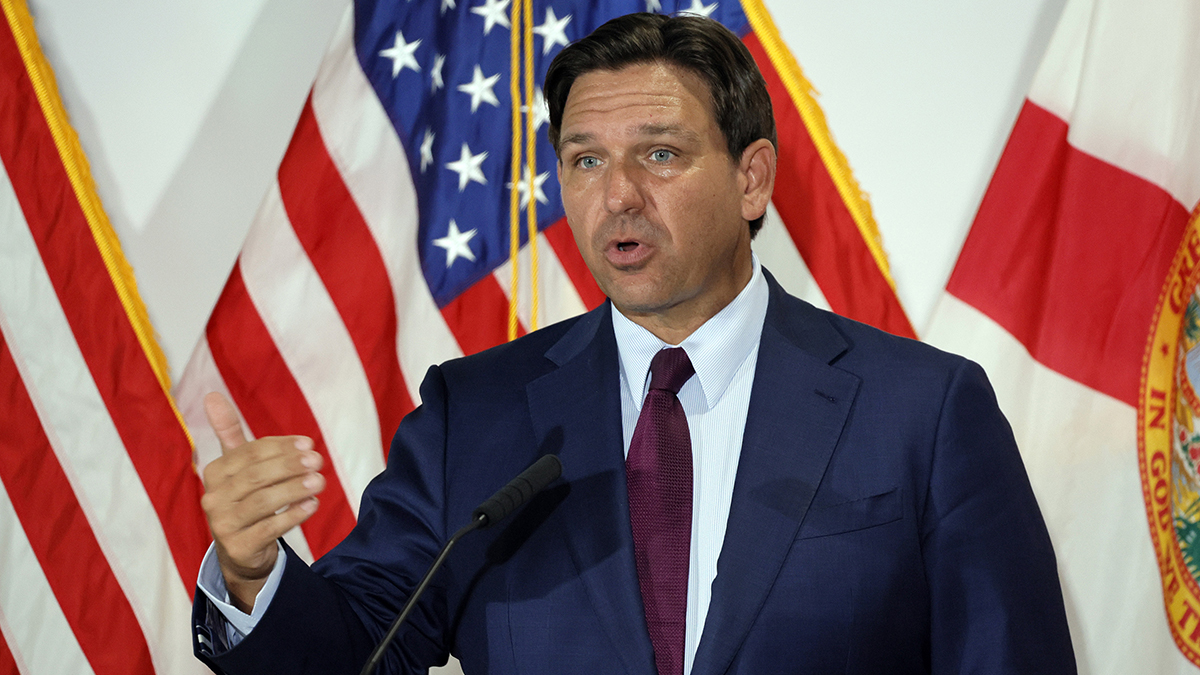
Florida homeowners — especially in hard‑hit South Florida — are set to see rare and substantial reductions in their property insurance premiums. Gov. Ron DeSantis announced an average statewide Citizens Insurance decrease of 8.7%, with even larger savings of up to 14% in counties like Miami-Dade, Broward, and Palm Beach. State officials credit recent legal and regulatory reforms for stabilizing the market, attracting new insurers, and delivering the first meaningful rate relief Floridians have seen in years.
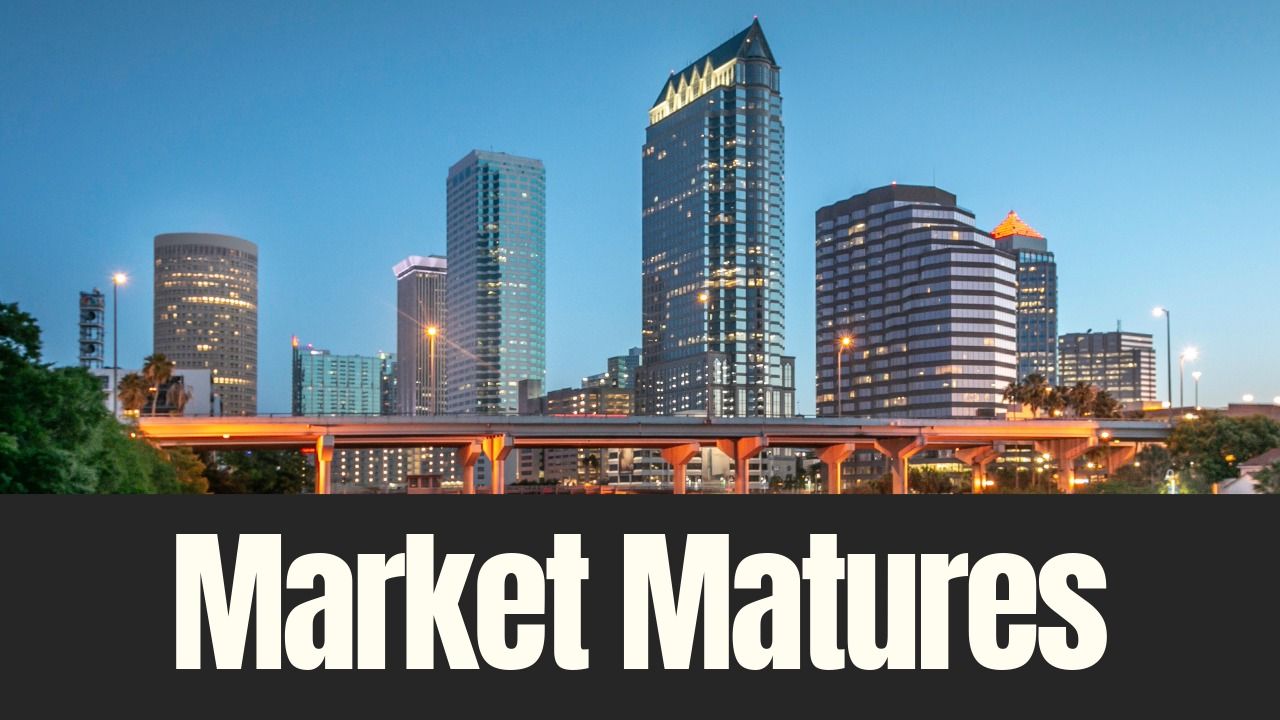
Tampa’s commercial real estate market isn’t slowing—it’s maturing. With strong population growth, rising office demand, a normalized industrial sector, resurgent retail, and an emerging health‑care real estate boom, investors are shifting from speed to strategy. Tighter underwriting, cautious capital and increased due‑diligence are shaping a more disciplined market, creating new opportunities for informed professionals.
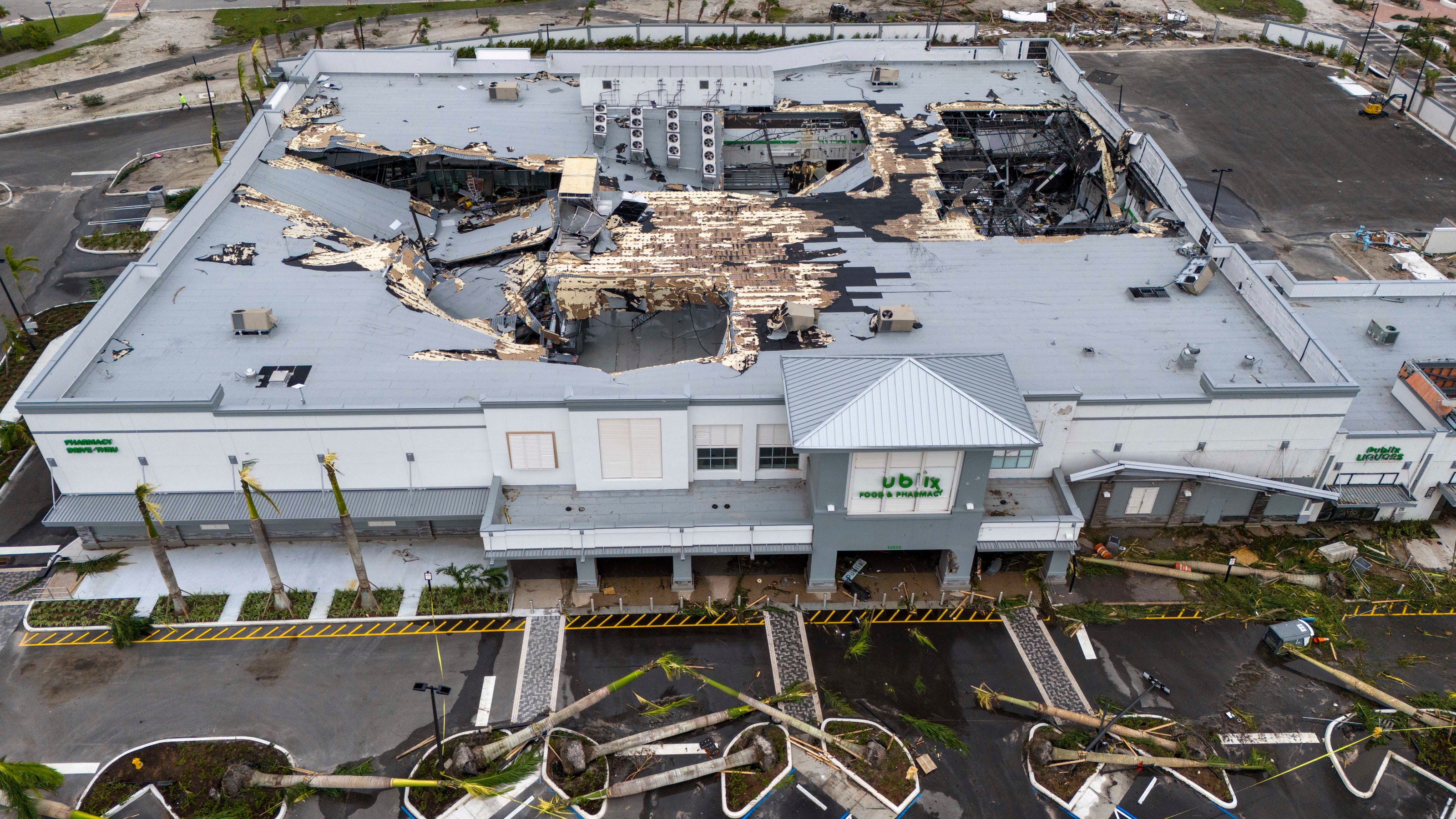
Florida homeowners are finally seeing relief as Citizens Property Insurance announces a major 8.7% average rate decrease—far larger than originally proposed. Driven by legislative reforms, fewer lawsuits, and a calm hurricane season, the state’s once‑unstable insurance market is showing real signs of recovery. But with reduced coverage limits and shifting legal protections, experts warn that lower premiums may come with hidden trade‑offs.
After a decade of rising premiums and retreating carriers, Florida homeowners are finally seeing long‑awaited relief. Dozens of insurers have filed for rate decreases—some as high as 11%—thanks to legislative reforms and a stabilizing market. Early approvals are already hitting counties across the state, and experts say the momentum could boost buyer confidence, affordability, and competition throughout Florida’s real estate and insurance sectors.
After years of slowed activity caused by rising interest rates, the self‑storage industry is heating up again. New data from Marcus & Millichap shows a fresh market cycle emerging, driven by renewed buyer confidence, recalibrated pricing, and stronger lender participation. Acquisitions are rebounding, development is resetting in a healthier direction, and financing conditions are improving—creating one of the most promising investment landscapes the sector has seen in years.
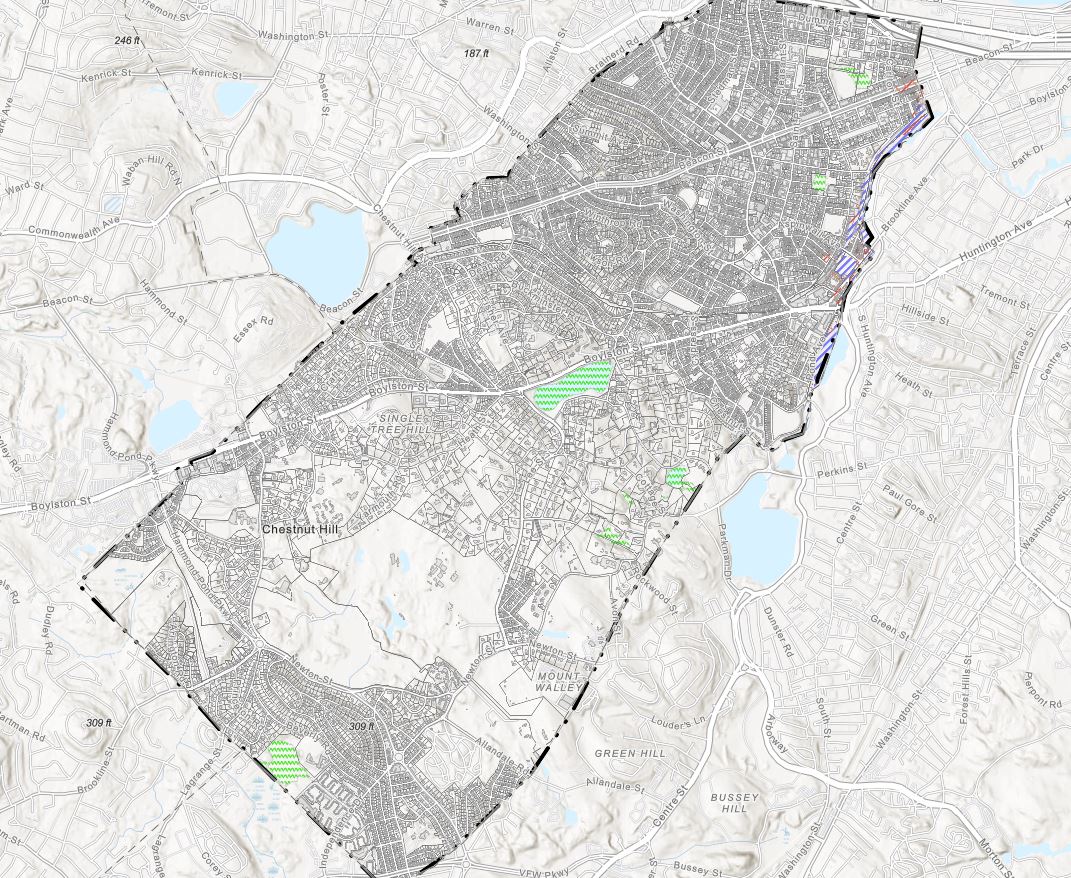
Brookline’s newly updated FEMA flood maps identify 97 high‑risk parcels, but local experts warn the true threat is far greater. While FEMA highlights river‑based flooding around Leverett Pond and the Muddy River, alternative models show more than 1,300 Brookline properties at risk within 30 years. Hidden vulnerabilities along major corridors like Beacon Street, rising rainfall intensity, aging infrastructure, and climate‑driven storm patterns suggest that many “low‑risk” areas may be anything but safe.