The 20 Fastest Growing Cities in the US: A Closer Look
In a rapidly evolving landscape, the United States is witnessing unprecedented growth in certain metropolitan areas. The latest report from Exploding Topics delves into the top 20 fastest-growing cities and metros across the nation, revealing intriguing trends and factors driving this expansion.
Austin, Texas: The Lone Star Leader
Austin, Texas, has emerged as the fastest-growing metro area in the United States. With a current metro population of 2,473,275 and a growth rate of 25.84%, Austin is becoming a hub of diversity and innovation. The city’s thriving tech scene, bolstered by major players like Apple and Tesla, has attracted a wave of new residents. The University of Texas at Austin also plays a pivotal role in fostering a vibrant, youthful community.
Raleigh, North Carolina: Tech and Talent
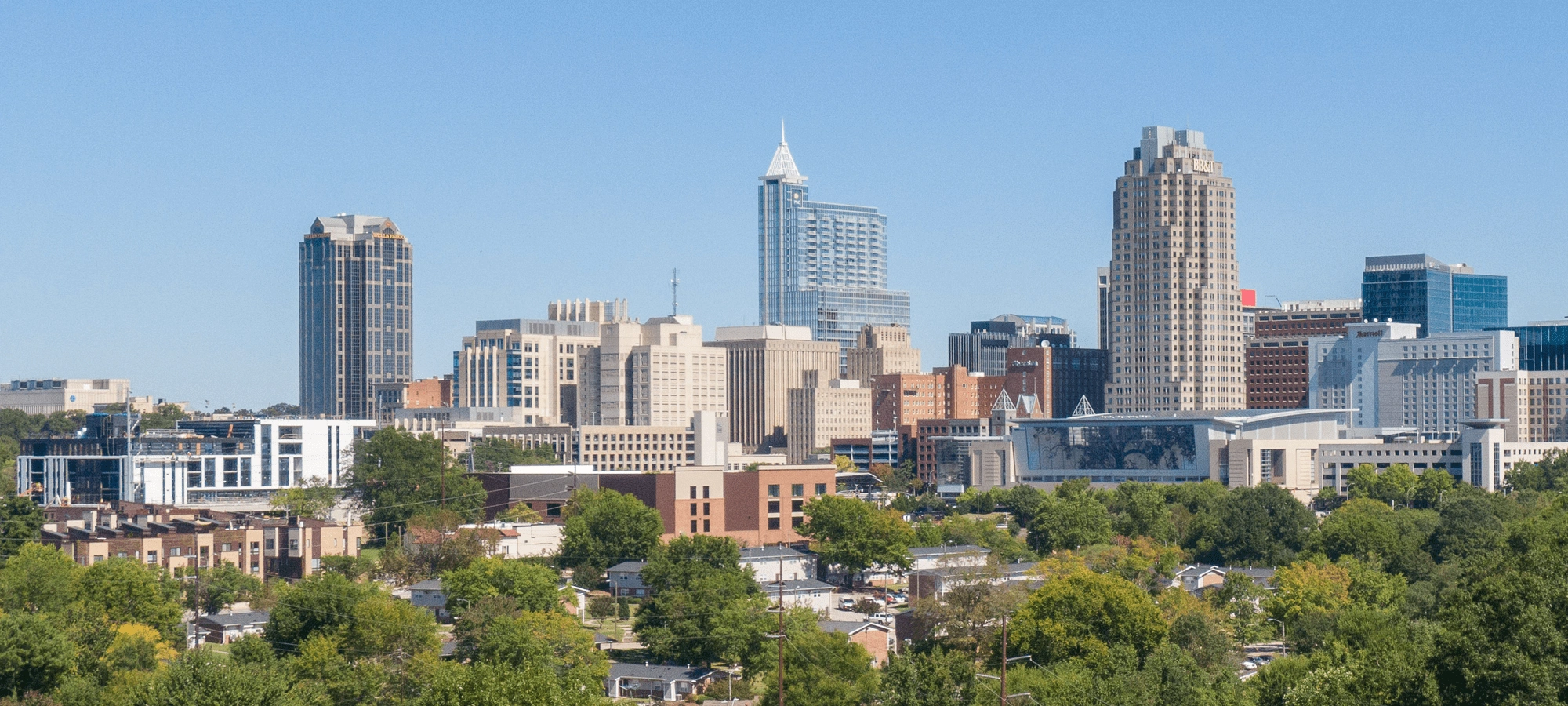
Raleigh’s growth is driven by its strong educational institutions and burgeoning tech industry. The Research Triangle is home to prominent universities and tech companies, drawing talent from across the globe. With a metro growth rate of 19.84%, Raleigh is a city on the rise, offering a blend of cultural and professional opportunities.
Orlando, Florida: Beyond the Theme Parks
While Orlando is famous for its theme parks, its growth story extends beyond tourism. The metro area has seen a 19.69% increase in population, driven by a robust healthcare sector and a thriving retirement industry. According to a recent study, Florida’s appeal to retirees continues to fuel its expansion.
Charleston, South Carolina: A Historic Gem
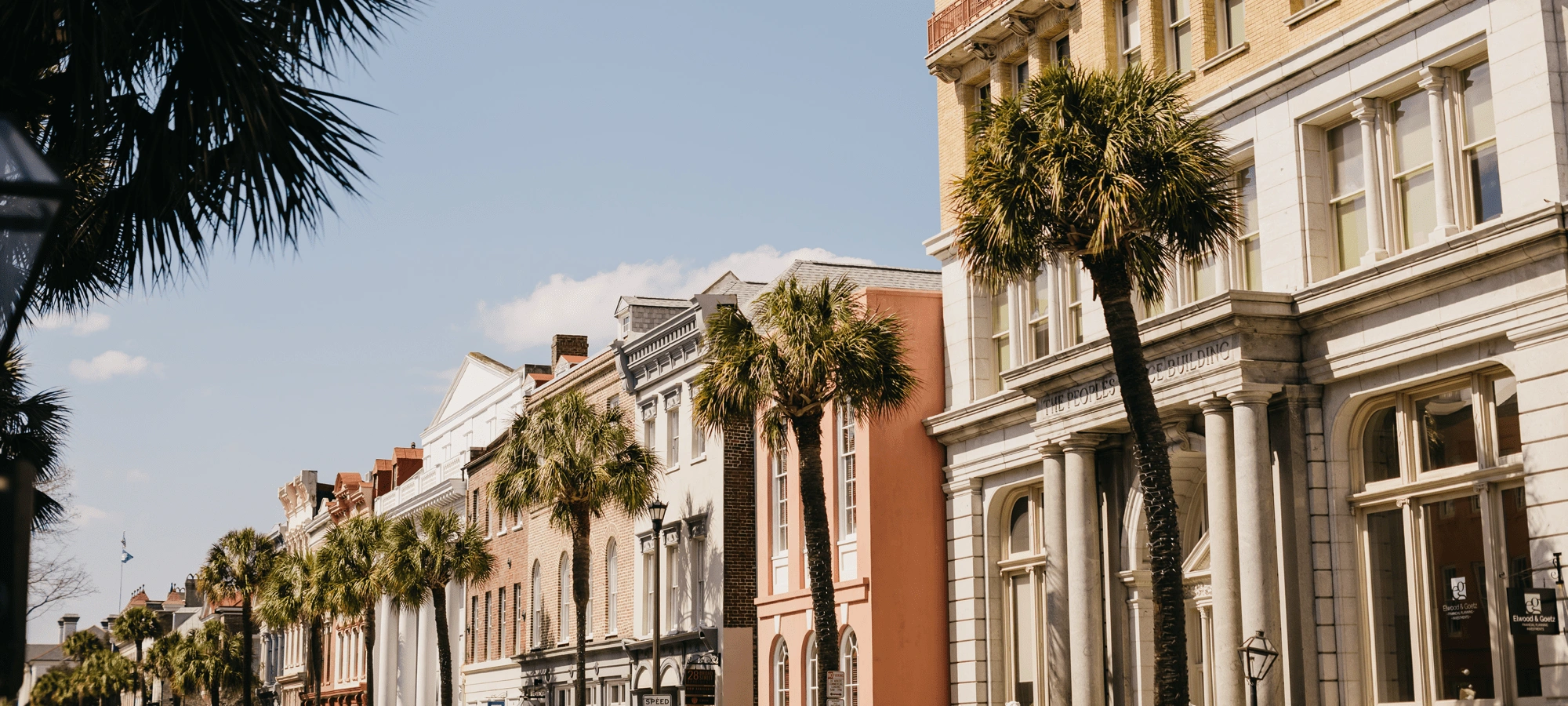
Charleston blends history with modern growth, experiencing an 18.5% increase in its metro population. Known for its charm and coastal beauty, the city attracts both tourists and new residents. Charleston’s economy is diverse, with a mix of tourism, manufacturing, and technology sectors contributing to its growth.
Houston, Texas: A Giant on the Move
As one of the largest cities in the US, Houston’s metro area has grown by 17.36%. The city’s diverse economy, including a strong energy sector, continues to draw people from across the country. Despite challenges like hurricanes and heat, Houston remains an attractive destination for families and professionals alike.
Sarasota-Bradenton, Florida: Coastal Growth
The Sarasota-Bradenton area has seen a 16.81% increase in its metro population. Known for its beautiful beaches and cultural amenities, this area is a magnet for retirees and tourists. The local economy is bolstered by a strong tourism industry and a growing healthcare sector.
San Antonio, Texas: Military and More
San Antonio’s growth is anchored by its military presence and a diverse economy. With a 16.59% increase in its metro population, the city offers affordable living and a rich cultural heritage. Tourism, healthcare, and manufacturing are key sectors driving San Antonio’s expansion.
Dallas-Fort Worth, Texas: The Metroplex
The Dallas-Fort Worth Metroplex continues to thrive, with a 16.58% growth rate. This sprawling area is a hub for business, culture, and education. Major corporations and a vibrant arts scene make DFW an attractive destination for newcomers.
Phoenix, Arizona: The Valley of the Sun
Phoenix’s warm climate and growing economy have contributed to a 15.61% increase in its metro population. The city is a magnet for retirees and young professionals alike, offering a range of opportunities in healthcare, finance, and technology.
Nashville, Tennessee: Music City
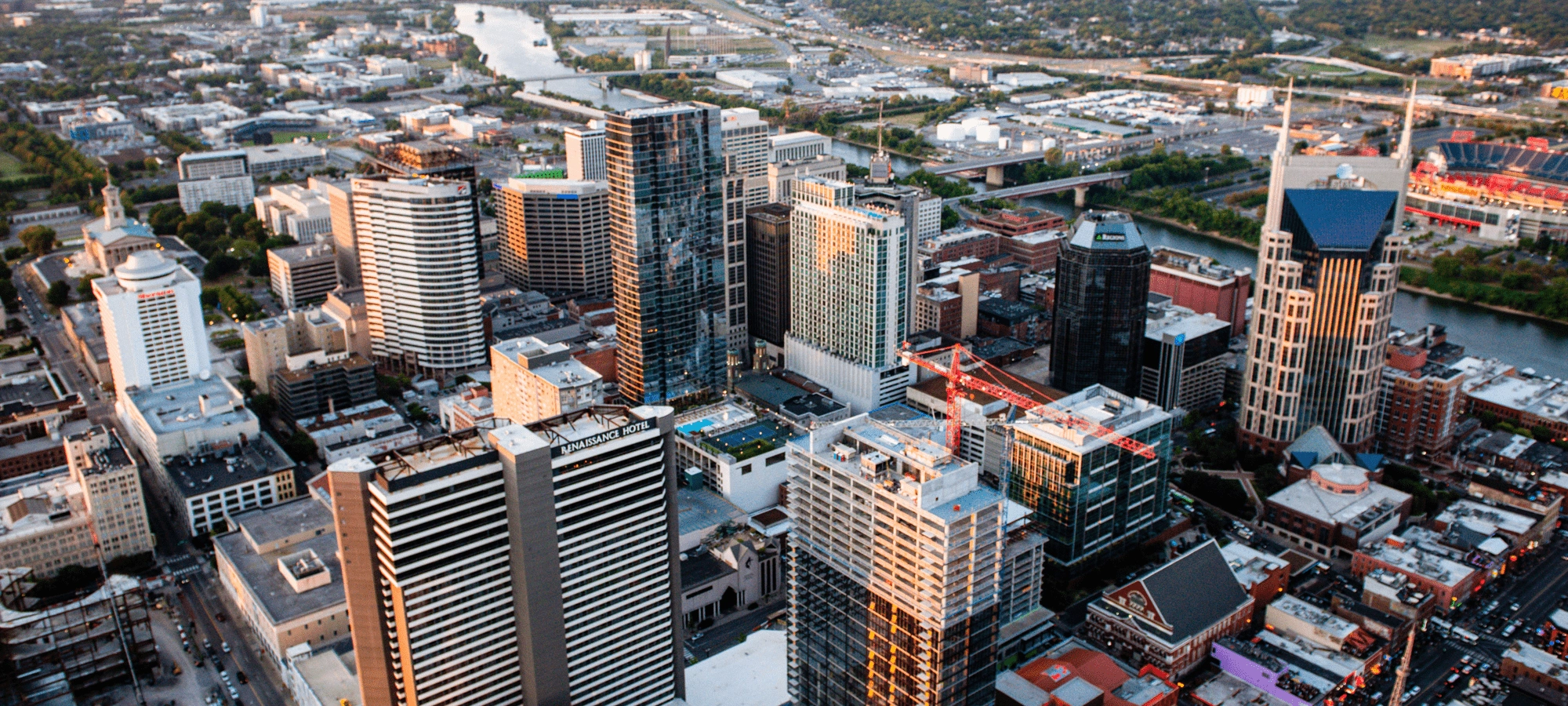
Nashville’s reputation as a music and cultural hub is complemented by its economic growth. With a 15.35% increase in its metro population, the city attracts talent from various industries, including healthcare, education, and entertainment.
These cities represent a dynamic shift in the US urban landscape, driven by factors such as climate, economic opportunities, and cultural attractions. As the nation continues to evolve, these metros stand out as beacons of growth and innovation.
More Articles
Getting licensed or staying ahead in your career can be a journey—but it doesn’t have to be overwhelming. Grab your favorite coffee or tea, take a moment to relax, and browse through our articles. Whether you’re just starting out or renewing your expertise, we’ve got tips, insights, and advice to keep you moving forward. Here’s to your success—one sip and one step at a time!
Lofty has launched the industry’s first Agentic AI Operating System, a breakthrough platform that doesn’t just follow commands—it plans, executes, evaluates, and adapts entire workflows on its own. Designed specifically for real estate professionals, the system acts like an AI “orchestra,” coordinating specialized agents for lead qualification, marketing, SEO, transaction management, website creation, and more. With leaders calling this a major leap beyond traditional tools, Lofty AOS signals a new era where agents can focus on relationships and closings while AI handles the heavy lifting.
Florida’s insurance landscape is finally showing signs of stability as private insurers return and Citizens Property Insurance drops below 400,000 policies. Insurance Commissioner Michael Yaworsky says reforms are working, but homeowners may not feel relief yet as inflation and rebuilding costs keep premiums high. With transparency improvements, mitigation credits, and new AI regulations on the horizon, Florida aims to avoid another insurance crisis while keeping the market competitive and consumer‑friendly.
Mortgage rates just hit their lowest point since 2022, closing January at 6.18% and giving buyers and industry professionals a rare moment of relief. But while the Federal Reserve continues to pause rate hikes, economists warn that significant declines are unlikely. Most forecasts show rates hovering near 6% through 2026, with political uncertainty and inflation keeping markets volatile. For now, stability may be the best we get — and even that could be temporary.
Propy, a fast-growing real estate tech firm blending AI automation with blockchain-backed transaction systems, has secured a major $100 million credit facility to accelerate nationwide title company consolidation. The funding aims to modernize the traditionally slow, paper-heavy closing process, offering real estate professionals a faster, more secure, and more transparent experience. As automation reshapes the industry, staying educated on emerging technology will be essential for agents, brokers, mortgage professionals, and investors looking to stay competitive.
Escrow payments in Florida have jumped an astonishing 70% since 2019, far outpacing the national average and now consuming nearly 38% of a typical monthly mortgage payment. Surging insurance premiums and rising property taxes are driving the increase, reshaping affordability for homeowners and pricing out many would‑be buyers.
After losing their Altadena home in the LA wildfires, Jessica and Matt Conkle expected State Farm to help them rebuild. Instead, they faced months of delays, low valuations, and stalled claims — a struggle shared by nearly 80 percent of wildfire survivors. As insurers pull out of high‑risk areas and premiums soar, the crisis is reshaping homeownership, tightening mortgage approvals, and straining government safety nets. What’s happening in California is rapidly becoming a national issue, with real estate, mortgage, and insurance professionals on the front lines of a system under unprecedented pressure.