The 20 Fastest Growing Cities in the US: A Closer Look
In a rapidly evolving landscape, the United States is witnessing unprecedented growth in certain metropolitan areas. The latest report from Exploding Topics delves into the top 20 fastest-growing cities and metros across the nation, revealing intriguing trends and factors driving this expansion.
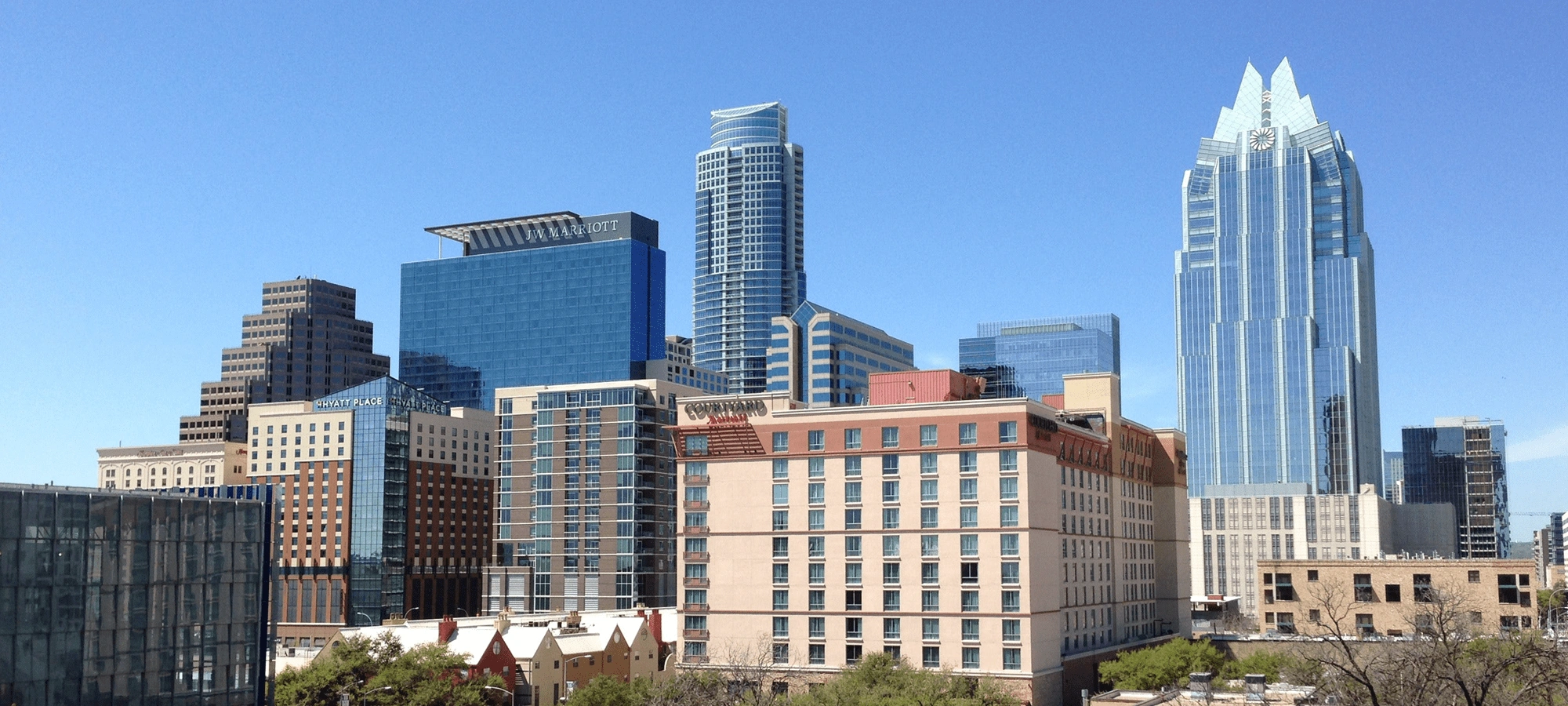
Austin, Texas: The Lone Star Leader
Austin, Texas, has emerged as the fastest-growing metro area in the United States. With a current metro population of 2,473,275 and a growth rate of 25.84%, Austin is becoming a hub of diversity and innovation. The city’s thriving tech scene, bolstered by major players like Apple and Tesla, has attracted a wave of new residents. The University of Texas at Austin also plays a pivotal role in fostering a vibrant, youthful community.
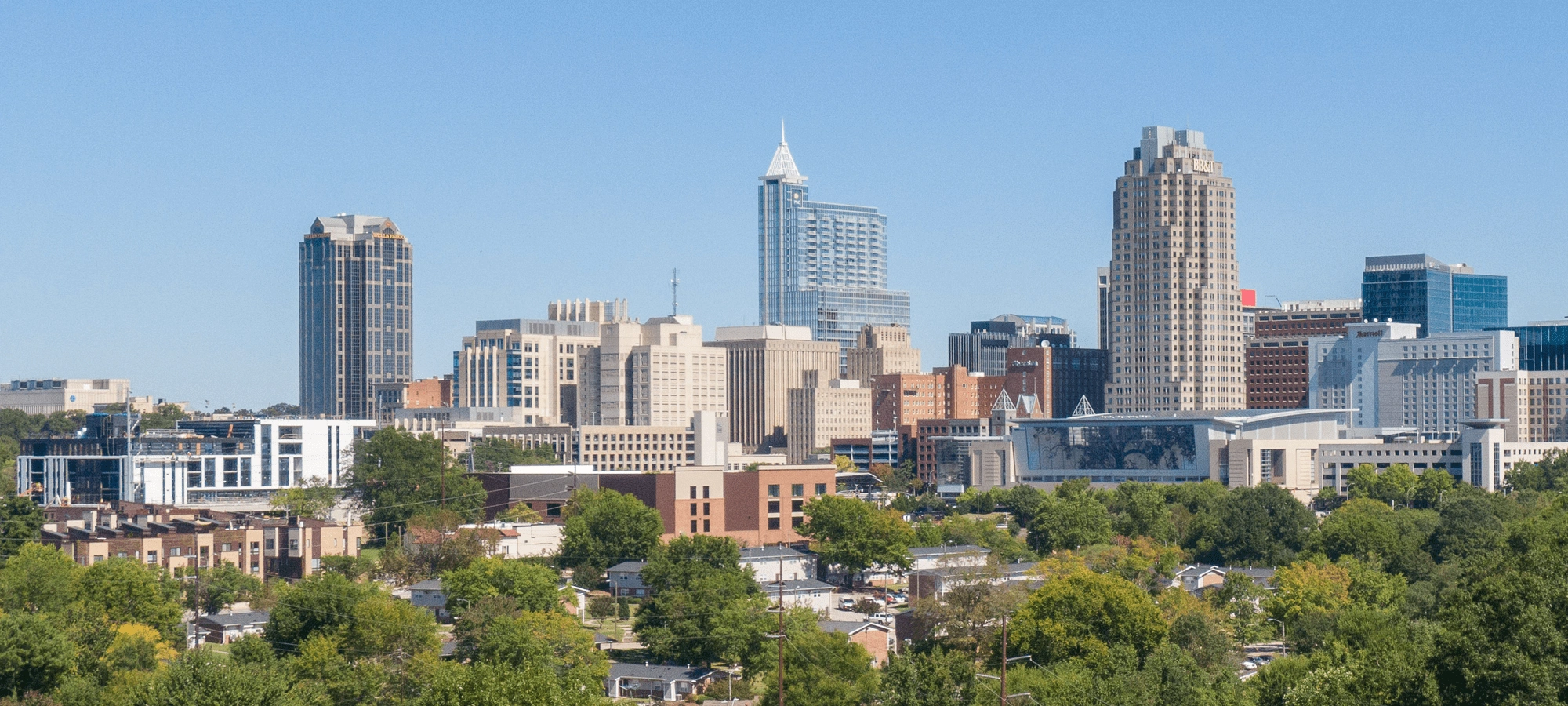
Raleigh, North Carolina: Tech and Talent
Raleigh’s growth is driven by its strong educational institutions and burgeoning tech industry. The Research Triangle is home to prominent universities and tech companies, drawing talent from across the globe. With a metro growth rate of 19.84%, Raleigh is a city on the rise, offering a blend of cultural and professional opportunities.
Orlando, Florida: Beyond the Theme Parks
While Orlando is famous for its theme parks, its growth story extends beyond tourism. The metro area has seen a 19.69% increase in population, driven by a robust healthcare sector and a thriving retirement industry. According to a recent study, Florida’s appeal to retirees continues to fuel its expansion.
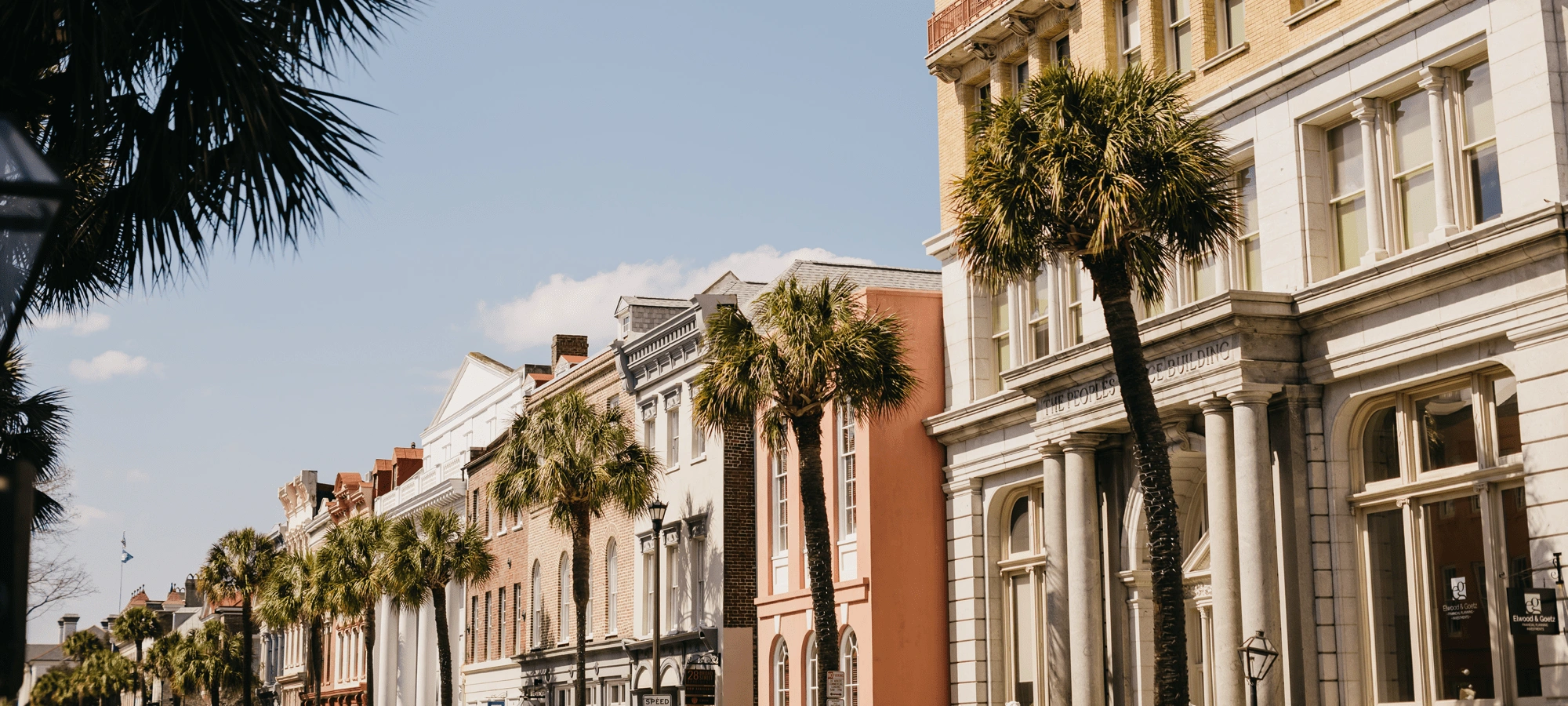
Charleston, South Carolina: A Historic Gem
Charleston blends history with modern growth, experiencing an 18.5% increase in its metro population. Known for its charm and coastal beauty, the city attracts both tourists and new residents. Charleston’s economy is diverse, with a mix of tourism, manufacturing, and technology sectors contributing to its growth.
Houston, Texas: A Giant on the Move
As one of the largest cities in the US, Houston’s metro area has grown by 17.36%. The city’s diverse economy, including a strong energy sector, continues to draw people from across the country. Despite challenges like hurricanes and heat, Houston remains an attractive destination for families and professionals alike.
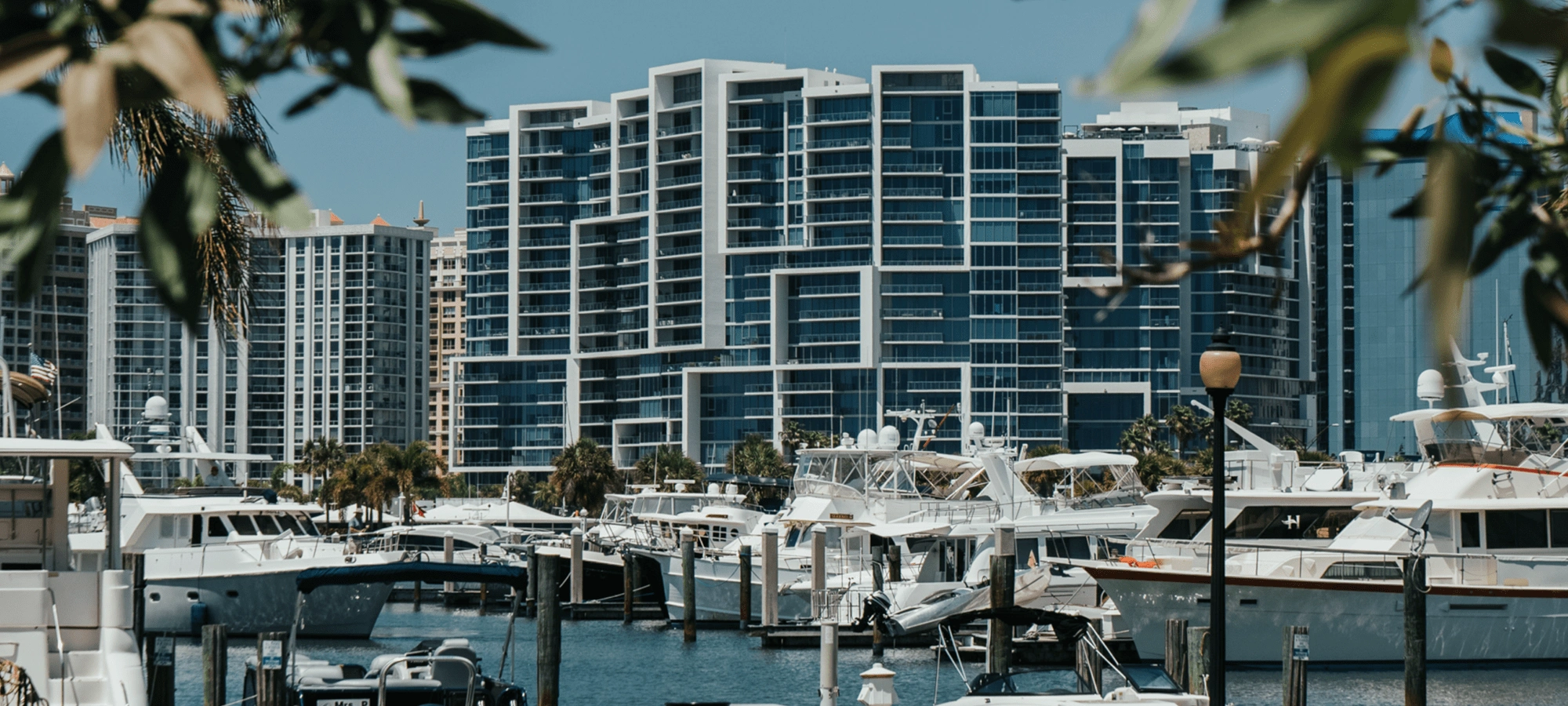
Sarasota-Bradenton, Florida: Coastal Growth
The Sarasota-Bradenton area has seen a 16.81% increase in its metro population. Known for its beautiful beaches and cultural amenities, this area is a magnet for retirees and tourists. The local economy is bolstered by a strong tourism industry and a growing healthcare sector.
San Antonio, Texas: Military and More
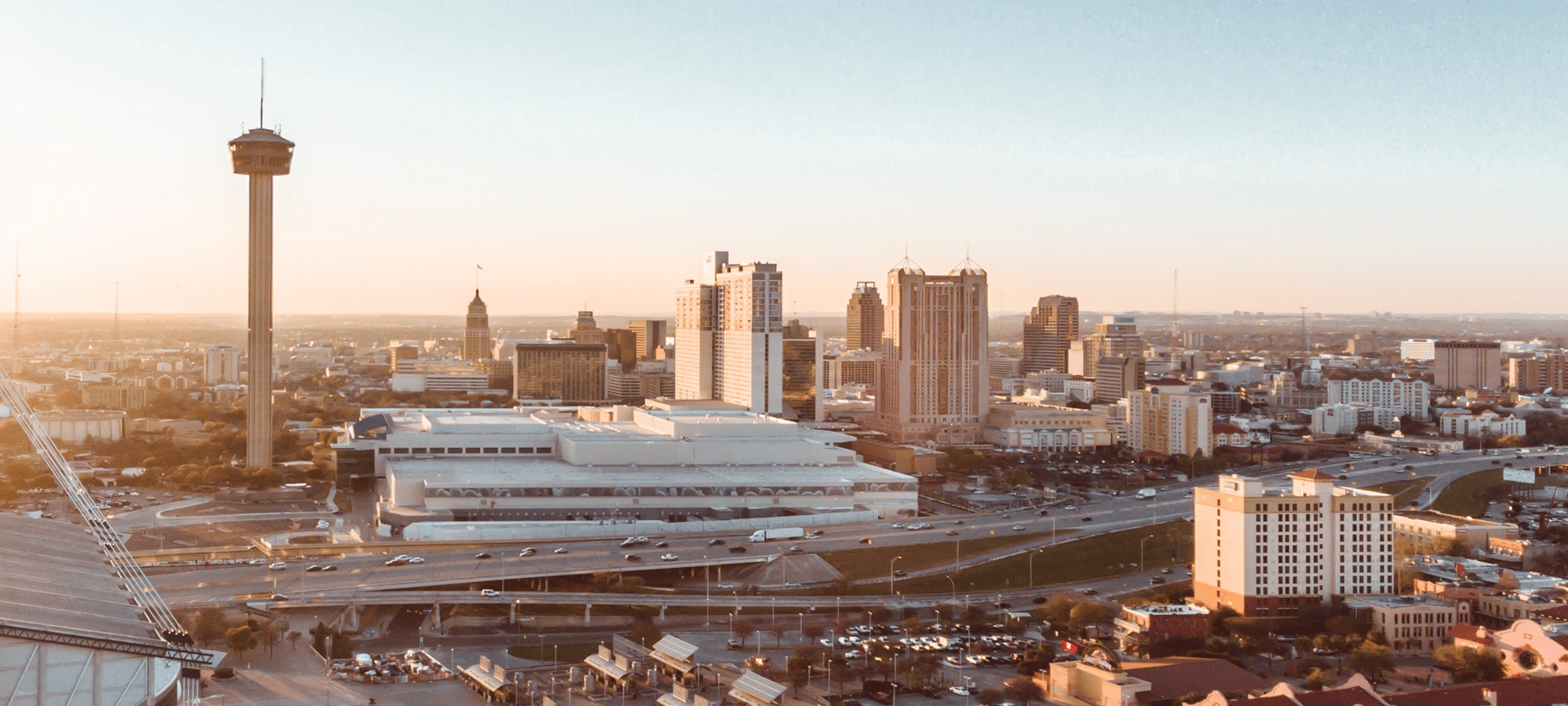
San Antonio’s growth is anchored by its military presence and a diverse economy. With a 16.59% increase in its metro population, the city offers affordable living and a rich cultural heritage. Tourism, healthcare, and manufacturing are key sectors driving San Antonio’s expansion.
Dallas-Fort Worth, Texas: The Metroplex
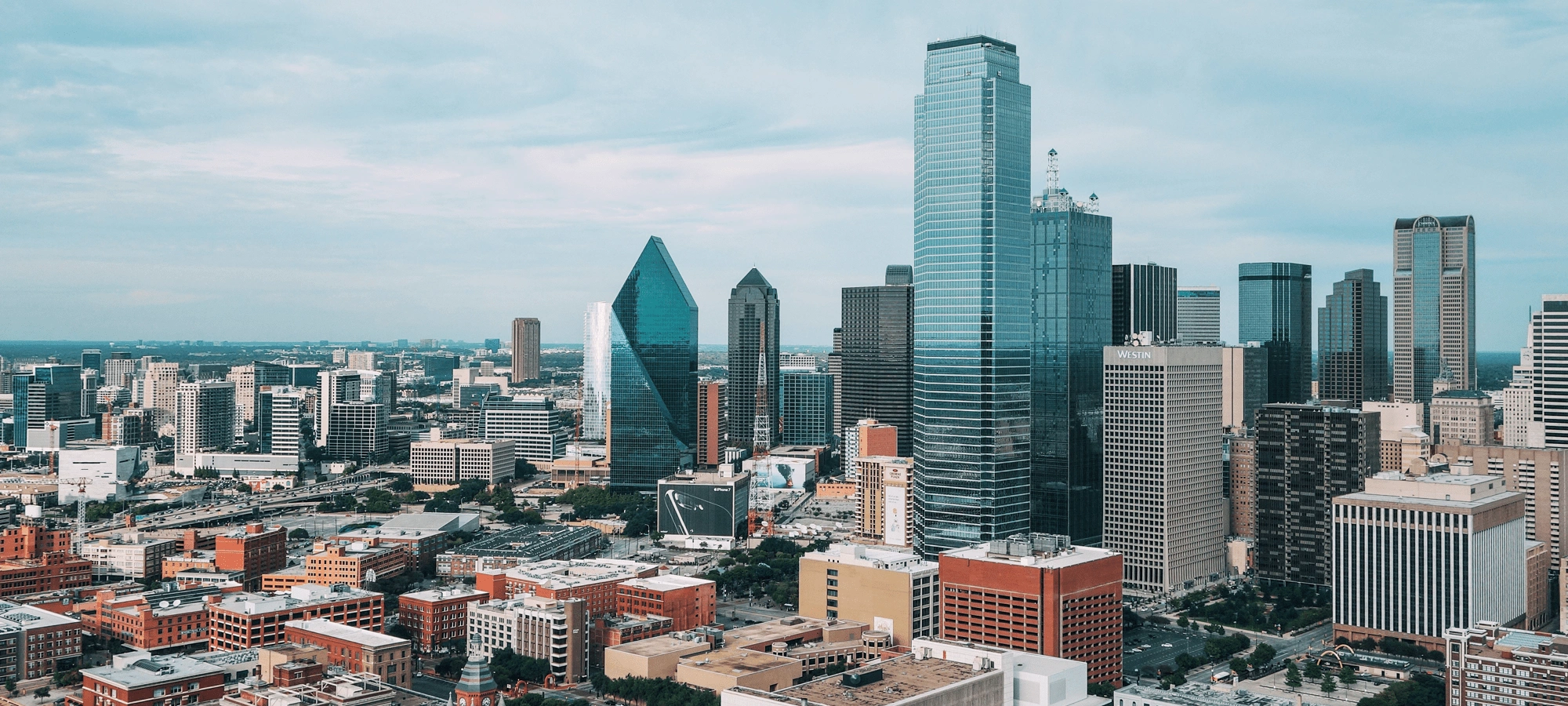
The Dallas-Fort Worth Metroplex continues to thrive, with a 16.58% growth rate. This sprawling area is a hub for business, culture, and education. Major corporations and a vibrant arts scene make DFW an attractive destination for newcomers.
Phoenix, Arizona: The Valley of the Sun
Phoenix’s warm climate and growing economy have contributed to a 15.61% increase in its metro population. The city is a magnet for retirees and young professionals alike, offering a range of opportunities in healthcare, finance, and technology.
Nashville, Tennessee: Music City
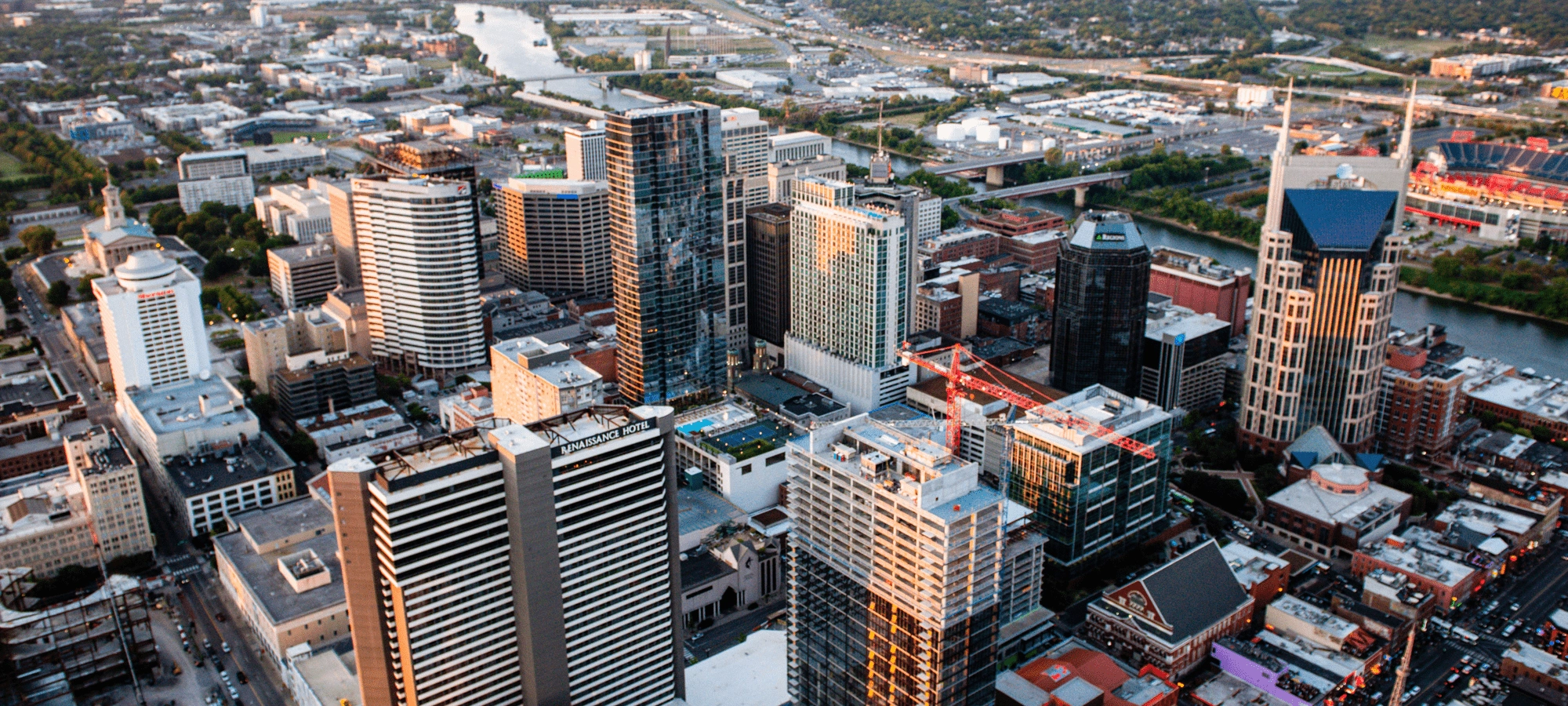
Nashville’s reputation as a music and cultural hub is complemented by its economic growth. With a 15.35% increase in its metro population, the city attracts talent from various industries, including healthcare, education, and entertainment.
These cities represent a dynamic shift in the US urban landscape, driven by factors such as climate, economic opportunities, and cultural attractions. As the nation continues to evolve, these metros stand out as beacons of growth and innovation.
More Articles
Getting licensed or staying ahead in your career can be a journey—but it doesn’t have to be overwhelming. Grab your favorite coffee or tea, take a moment to relax, and browse through our articles. Whether you’re just starting out or renewing your expertise, we’ve got tips, insights, and advice to keep you moving forward. Here’s to your success—one sip and one step at a time!
Lower interest rates, improving buyer confidence, and a resilient job market are setting the stage for a stronger South Florida real estate landscape in 2026. After a steadier‑than‑expected 2025, single‑family homes remain competitive, condos are stabilizing despite regulatory pressures, and commercial real estate continues to outperform national trends — giving industry professionals plenty to watch in the year ahead.
Economists across the housing industry are signaling that 2026 may finally bring a true market rebalance. With mortgage rates expected to ease, inventory slowly expanding and affordability showing its first real improvement in years, home sales could climb by 14% nationwide. Prices are projected to rise only modestly, builders are ramping up cautiously and shifting demographics are reshaping who’s buying—and what they’re looking for. For real estate and finance professionals, this more active and balanced landscape sets the stage for a strong year of opportunity.
South Florida enters 2026 with renewed confidence as easing mortgage rates, a solid job market, and stabilizing housing trends breathe life back into both single‑family and condo sectors. After an uneven 2025 marked by high costs and condo‑related challenges, lower borrowing rates are drawing buyers back, encouraging more homeowners to list, and positioning the region for a more balanced — though still competitive — year ahead.
The U.S. real estate landscape is entering a defining year, driven by AI innovation, reimagined office spaces, immersive retail, and resilient industrial growth. Investors are becoming more selective, while ESG expectations are solidifying into essential standards for value and tenant demand. For professionals looking to stay competitive in 2026, understanding these shifts—and upskilling accordingly—will be key to navigating an industry rapidly transforming in real time.
Conforming mortgage credit has dropped to its lowest level since the MBA began tracking it in 2011, signaling a major tightening in loan options as 2026 begins. December’s Mortgage Credit Availability Index fell 2.6%, driven by shrinking ARM offerings, fewer cash‑out refi programs, and stricter documentation requirements. With conforming loans seeing the sharpest decline—down 3.8%—both buyers and mortgage professionals face a more challenging lending landscape that demands stronger financial profiles and up‑to‑date industry knowledge.
A new NAR outlook shows that first-time buyers may finally be gaining traction in 2026 as rising inventory, easing rates, and creative financing strategies open long-awaited pathways into homeownership. From ARMs and government-backed loans to family support, grants, and co-buying, younger buyers are finding new ways to “make the math work.” Builders are also stepping in with incentives and expanded townhome construction, signaling a slow but meaningful shift toward improved affordability.