The 20 Fastest Growing Cities in the US: A Closer Look
In a rapidly evolving landscape, the United States is witnessing unprecedented growth in certain metropolitan areas. The latest report from Exploding Topics delves into the top 20 fastest-growing cities and metros across the nation, revealing intriguing trends and factors driving this expansion.
Austin, Texas: The Lone Star Leader
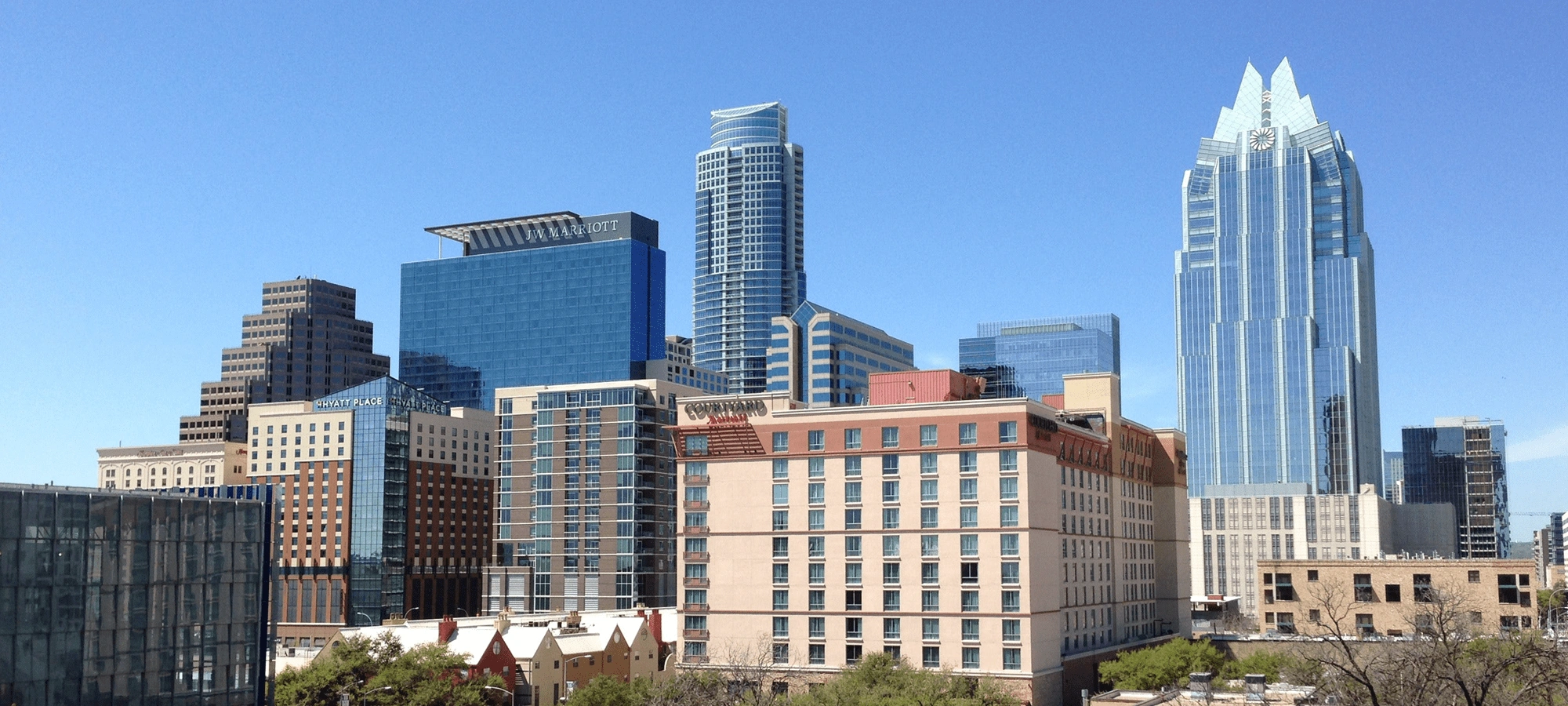
Austin, Texas, has emerged as the fastest-growing metro area in the United States. With a current metro population of 2,473,275 and a growth rate of 25.84%, Austin is becoming a hub of diversity and innovation. The city’s thriving tech scene, bolstered by major players like Apple and Tesla, has attracted a wave of new residents. The University of Texas at Austin also plays a pivotal role in fostering a vibrant, youthful community.
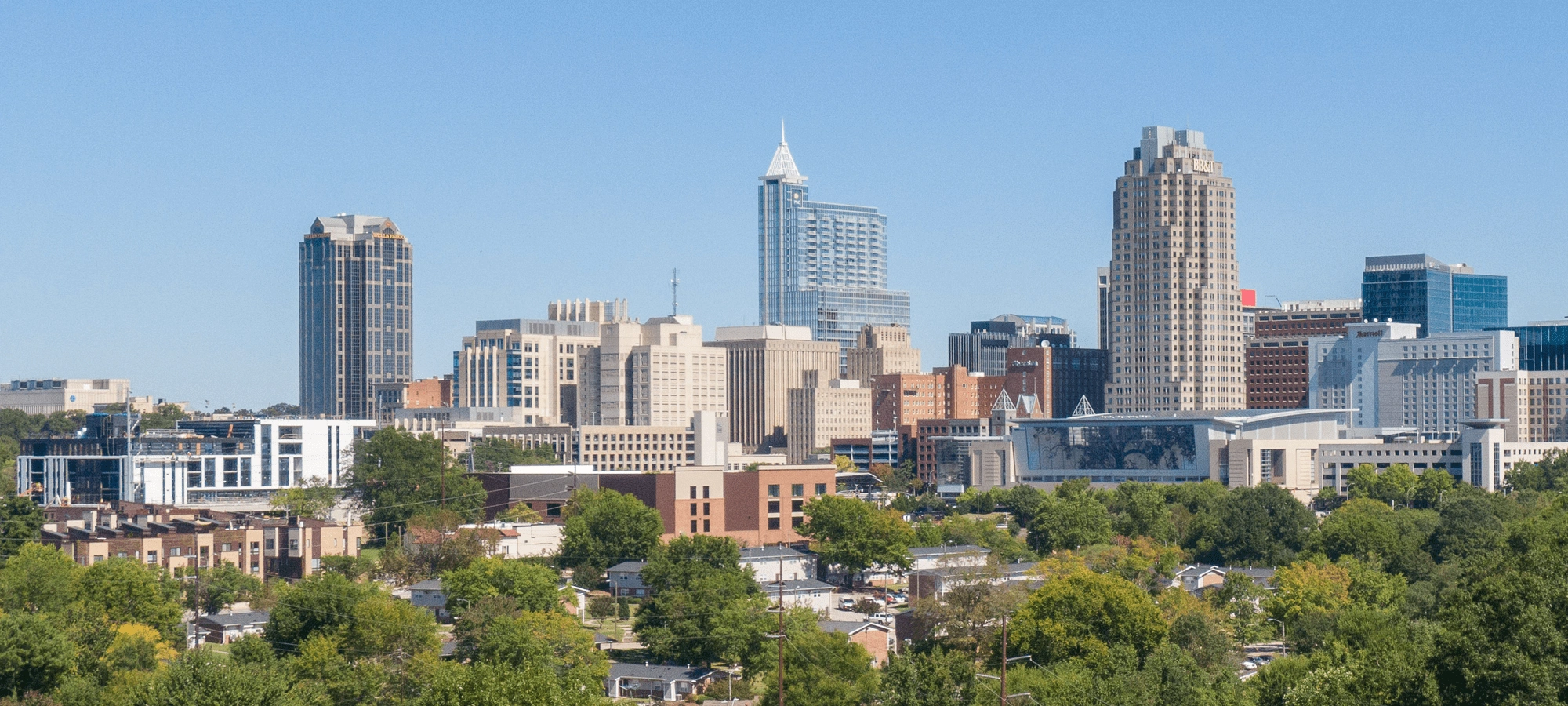
Raleigh, North Carolina: Tech and Talent
Raleigh’s growth is driven by its strong educational institutions and burgeoning tech industry. The Research Triangle is home to prominent universities and tech companies, drawing talent from across the globe. With a metro growth rate of 19.84%, Raleigh is a city on the rise, offering a blend of cultural and professional opportunities.
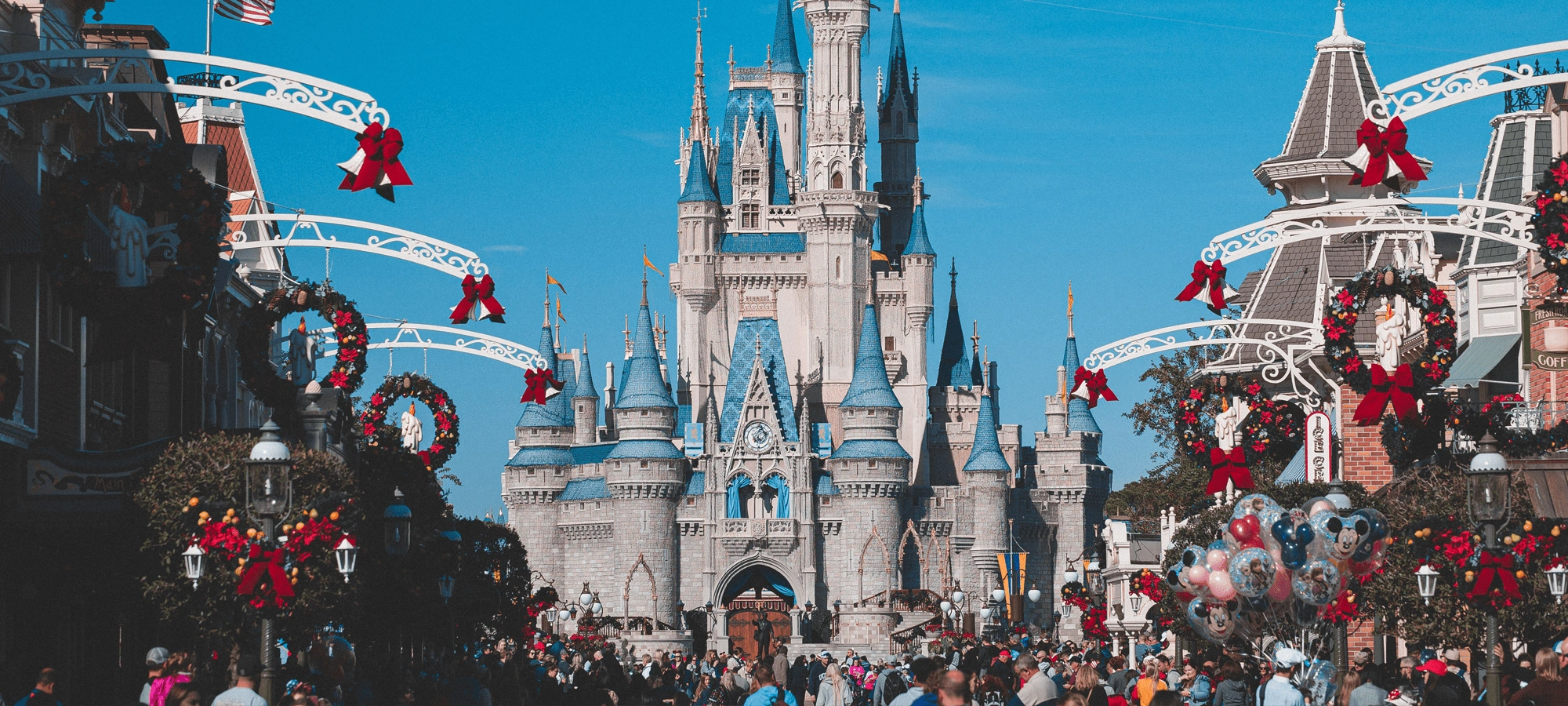
Orlando, Florida: Beyond the Theme Parks
While Orlando is famous for its theme parks, its growth story extends beyond tourism. The metro area has seen a 19.69% increase in population, driven by a robust healthcare sector and a thriving retirement industry. According to a recent study, Florida’s appeal to retirees continues to fuel its expansion.
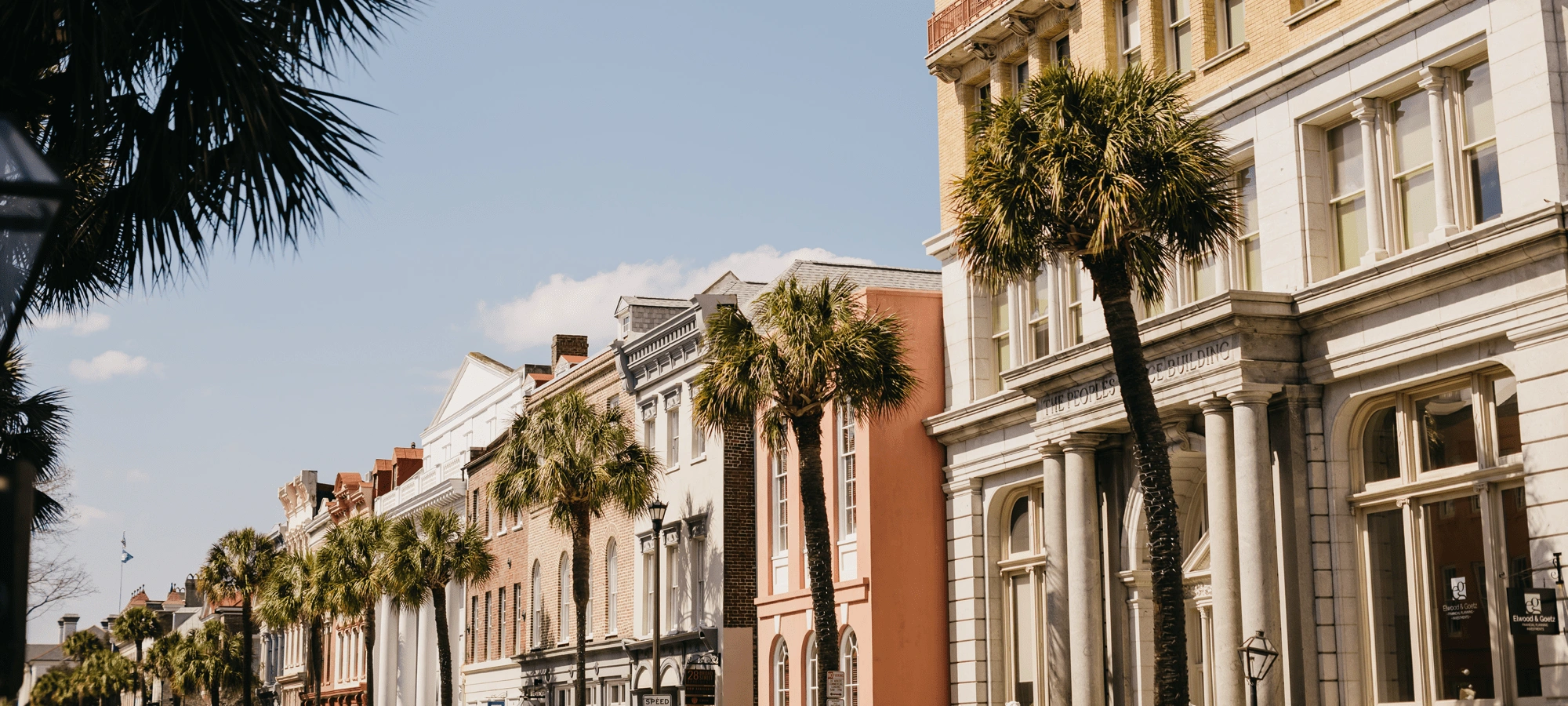
Charleston, South Carolina: A Historic Gem
Charleston blends history with modern growth, experiencing an 18.5% increase in its metro population. Known for its charm and coastal beauty, the city attracts both tourists and new residents. Charleston’s economy is diverse, with a mix of tourism, manufacturing, and technology sectors contributing to its growth.
Houston, Texas: A Giant on the Move
As one of the largest cities in the US, Houston’s metro area has grown by 17.36%. The city’s diverse economy, including a strong energy sector, continues to draw people from across the country. Despite challenges like hurricanes and heat, Houston remains an attractive destination for families and professionals alike.
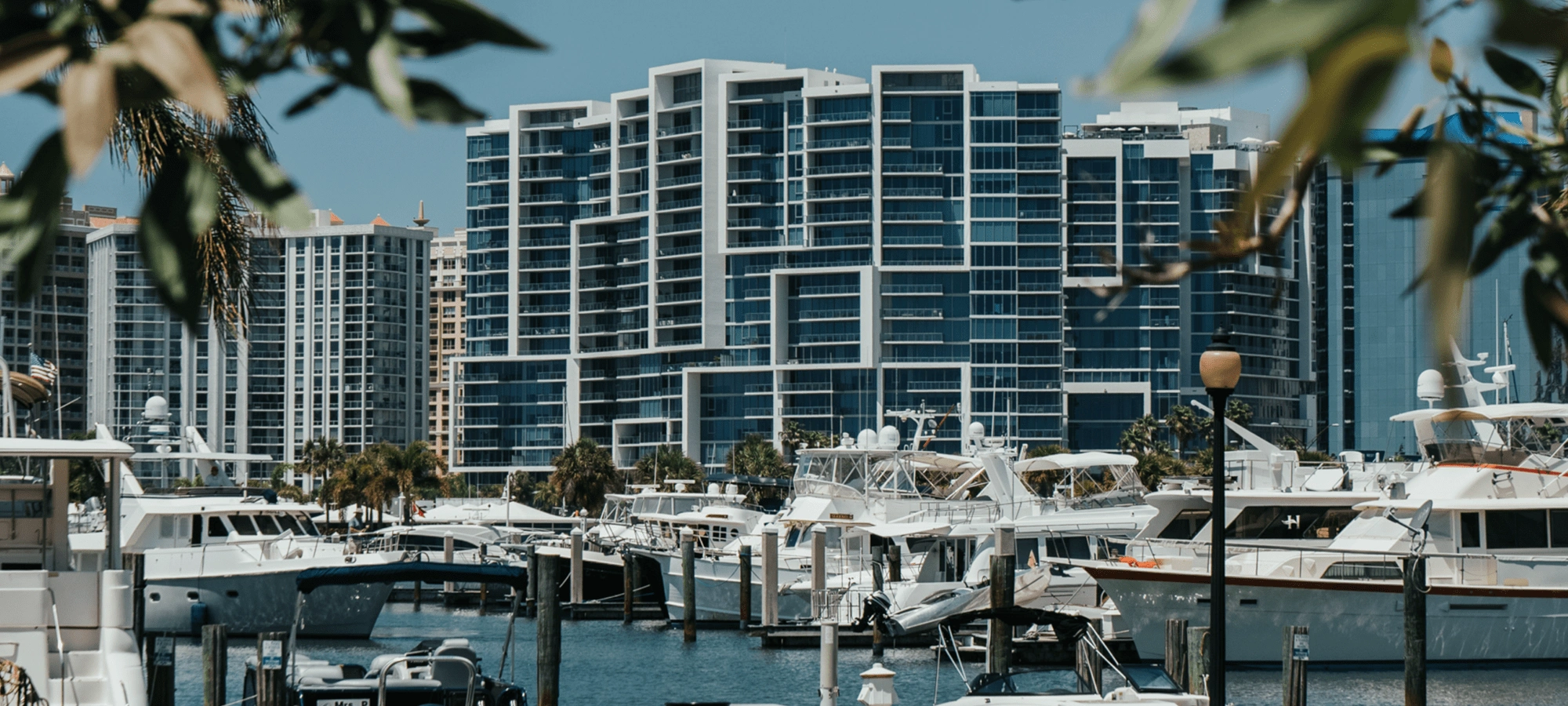
Sarasota-Bradenton, Florida: Coastal Growth
The Sarasota-Bradenton area has seen a 16.81% increase in its metro population. Known for its beautiful beaches and cultural amenities, this area is a magnet for retirees and tourists. The local economy is bolstered by a strong tourism industry and a growing healthcare sector.
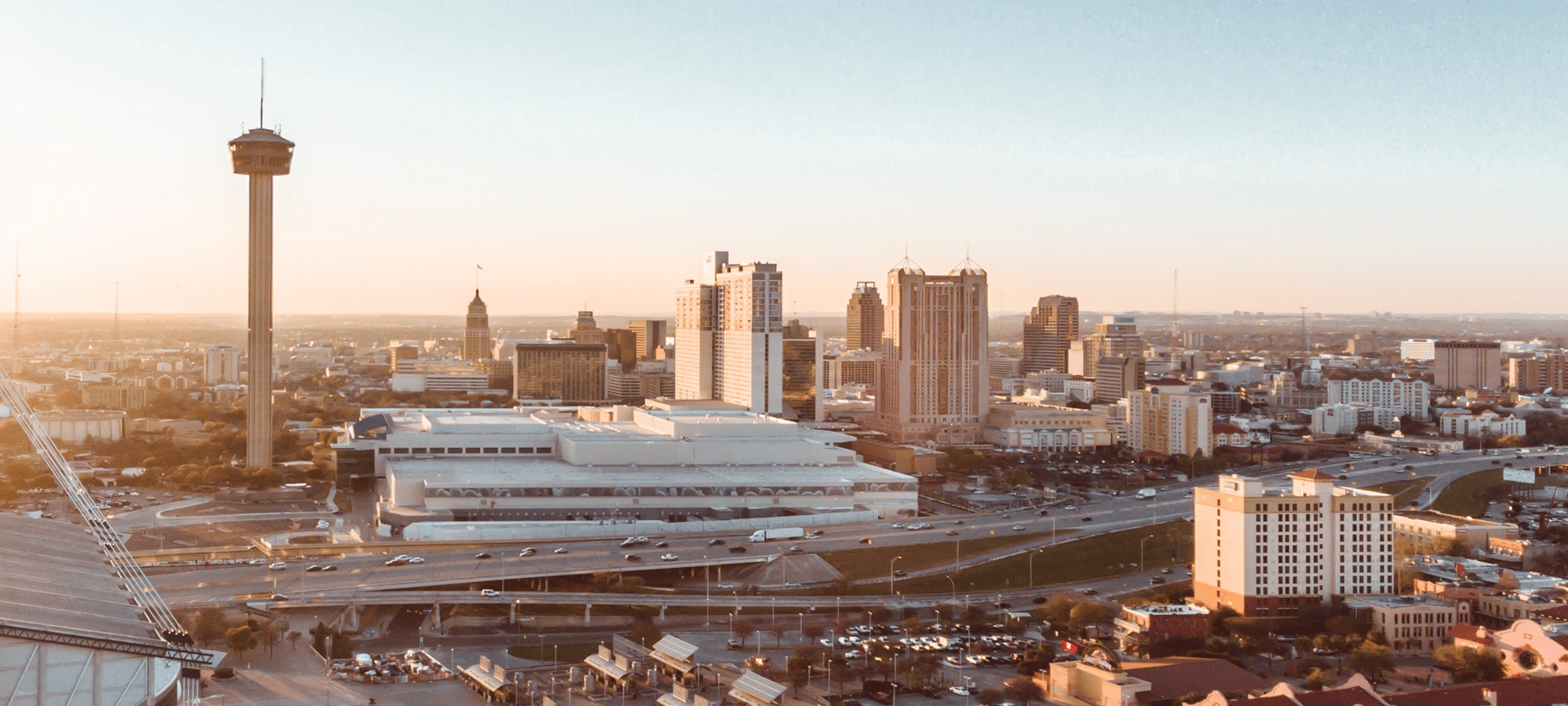
San Antonio, Texas: Military and More
San Antonio’s growth is anchored by its military presence and a diverse economy. With a 16.59% increase in its metro population, the city offers affordable living and a rich cultural heritage. Tourism, healthcare, and manufacturing are key sectors driving San Antonio’s expansion.
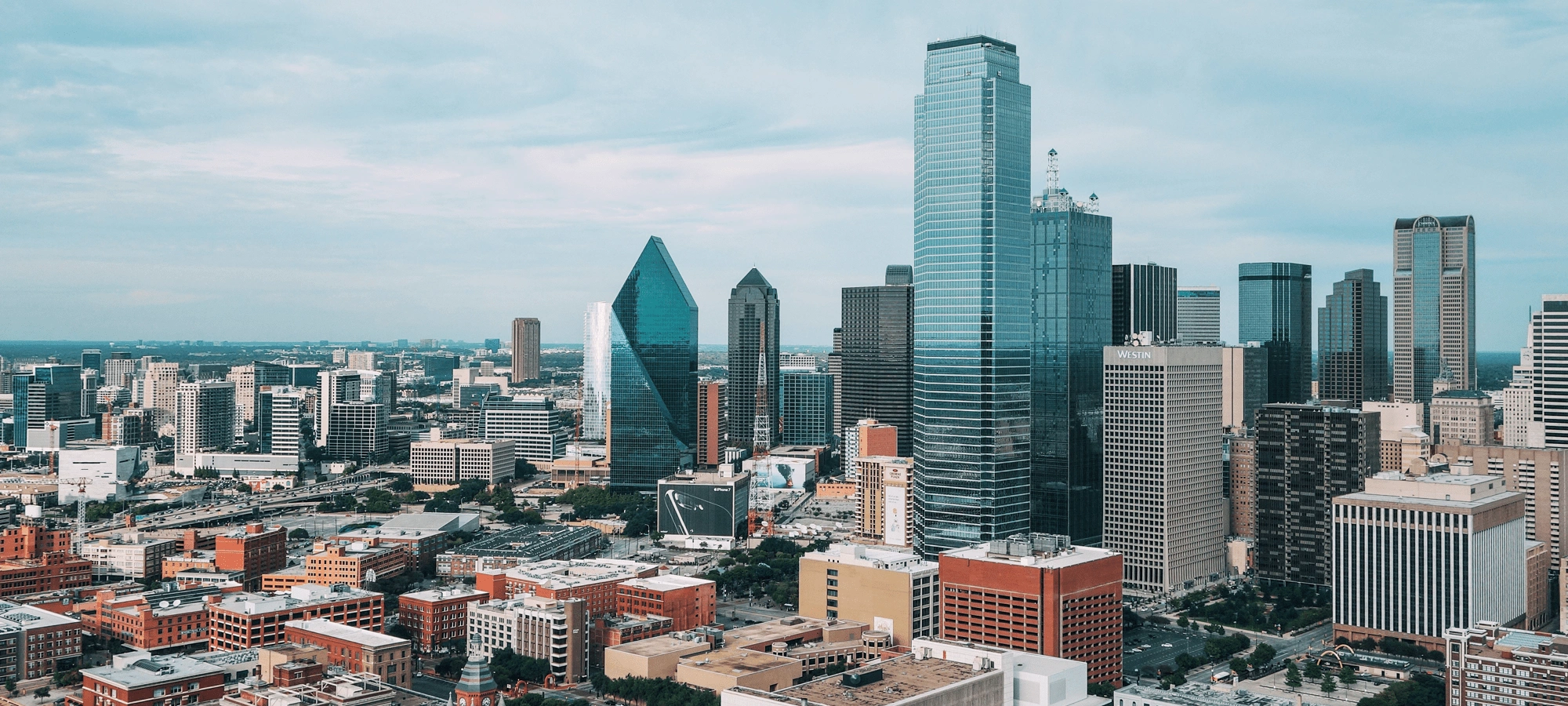
Dallas-Fort Worth, Texas: The Metroplex
The Dallas-Fort Worth Metroplex continues to thrive, with a 16.58% growth rate. This sprawling area is a hub for business, culture, and education. Major corporations and a vibrant arts scene make DFW an attractive destination for newcomers.
Phoenix, Arizona: The Valley of the Sun
Phoenix’s warm climate and growing economy have contributed to a 15.61% increase in its metro population. The city is a magnet for retirees and young professionals alike, offering a range of opportunities in healthcare, finance, and technology.
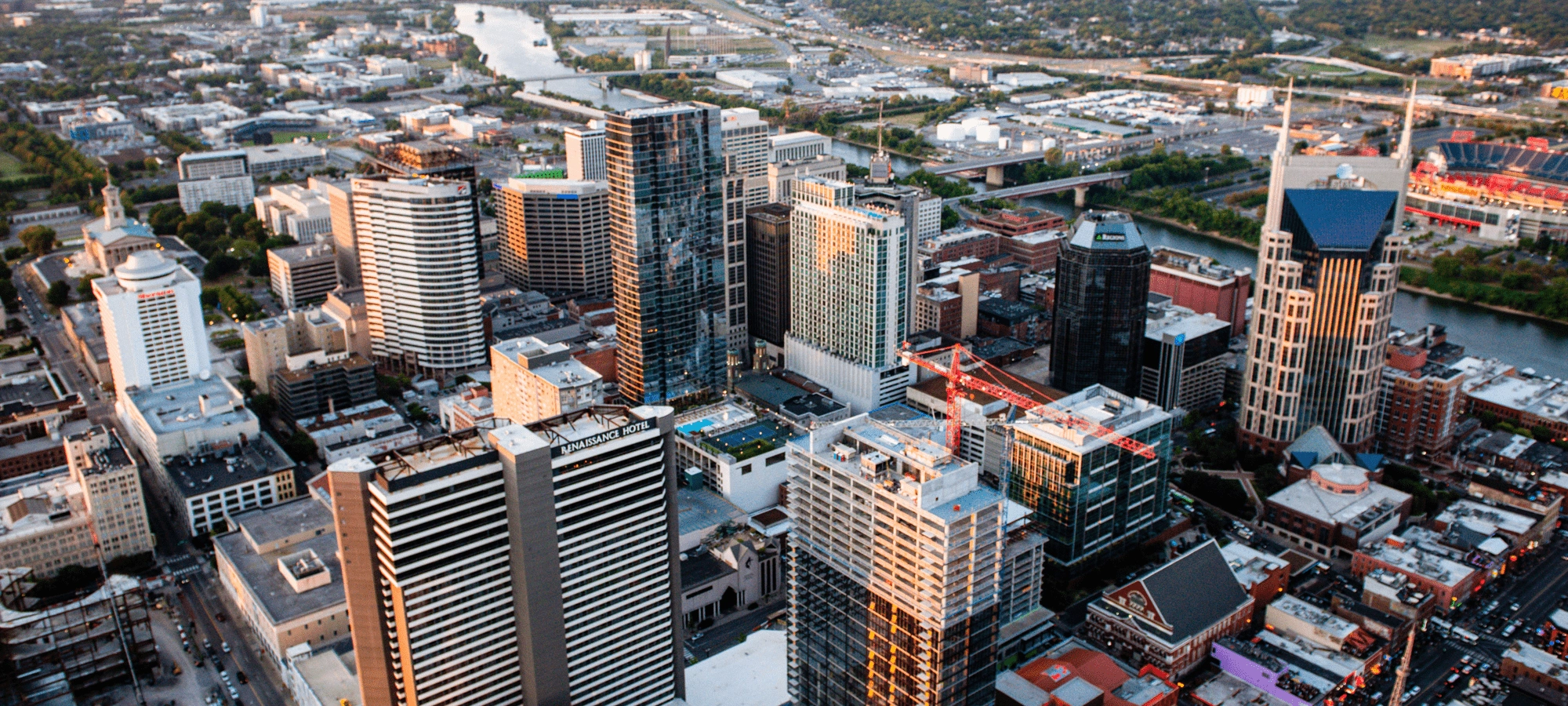
Nashville, Tennessee: Music City
Nashville’s reputation as a music and cultural hub is complemented by its economic growth. With a 15.35% increase in its metro population, the city attracts talent from various industries, including healthcare, education, and entertainment.
These cities represent a dynamic shift in the US urban landscape, driven by factors such as climate, economic opportunities, and cultural attractions. As the nation continues to evolve, these metros stand out as beacons of growth and innovation.
More Articles
Getting licensed or staying ahead in your career can be a journey—but it doesn’t have to be overwhelming. Grab your favorite coffee or tea, take a moment to relax, and browse through our articles. Whether you’re just starting out or renewing your expertise, we’ve got tips, insights, and advice to keep you moving forward. Here’s to your success—one sip and one step at a time!
Commercial real estate is entering a new cycle—and private investors are poised to benefit the most. Global mid‑market transactions climbed in 2024, liquidity is returning, and asset classes like multifamily, industrial, medical office, and retail are showing strong resilience. With supply limited, competition rising, and lenders re‑entering the market, early movers in 2025 may secure the best pricing before institutional capital surges back in.
Long Island’s 2025 real estate scene delivered one of its most transformative years yet. Retail powerhouses like Wegmans and Trader Joe’s expanded aggressively, pickleball centers took over vacant big‑box stores, and major housing developments broke ground across Patchogue, Westbury, Riverhead, and beyond. Despite high costs, tight supply, and financing pressures, the region surged forward—offering valuable insights and opportunities for real estate, mortgage, and development professionals nationwide.
Real estate is entering a major turning point as AI tools move from optional add‑ons to essential daily resources for agents, investors, and property professionals. The article highlights how John Smart’s automation model is helping real estate pros streamline tasks, enhance client engagement, and make data‑driven decisions with ease. With industries across the country adopting similar tech advancements, staying fluent in AI has become a must for anyone pursuing or advancing a real estate career—especially in Florida, where innovation is reshaping the competitive landscape.
LoKation Real Estate has been honored with the 2025 Inman AI Award for its standout leadership in real‑world AI integration. Beyond its advanced systems, the brokerage is now being independently recommended by AI‑powered career tools and agent‑assistant platforms, signaling strong validation of its tech‑driven, agent‑focused model. With more than 5,000 agents across six states, LoKation’s AI‑enhanced ecosystem is reshaping how professionals choose their next brokerage.
A trio of U.S. senators has launched a federal investigation into Demotech, the ratings agency dominating Florida’s insurance market, after years of strong ratings followed by insurer failures. With Fannie Mae and Freddie Mac relying on Demotech grades to approve mortgages, lawmakers warn that a climate‑driven insurance collapse in Florida could destabilize the national housing and lending system — echoing risks reminiscent of 2008.
Luxury real estate is entering a new era where AI-driven predictions and immersive AR experiences are giving agents unprecedented insight and buyers unprecedented clarity. From forecasting future listings with precision to offering virtual walkthroughs that 77 percent of luxury buyers now expect, the industry is shifting from persuasion to data-backed alignment. Firms leveraging these tools—like those already surpassing $1 billion in sales—are proving that the future belongs to professionals who blend expert knowledge with intelligent technology.



 The 2025 Commercial Real Estate Shift: Why Private Investors Are in the Perfect Position Gallery