The 20 Fastest Growing Cities in the US: A Closer Look
In a rapidly evolving landscape, the United States is witnessing unprecedented growth in certain metropolitan areas. The latest report from Exploding Topics delves into the top 20 fastest-growing cities and metros across the nation, revealing intriguing trends and factors driving this expansion.
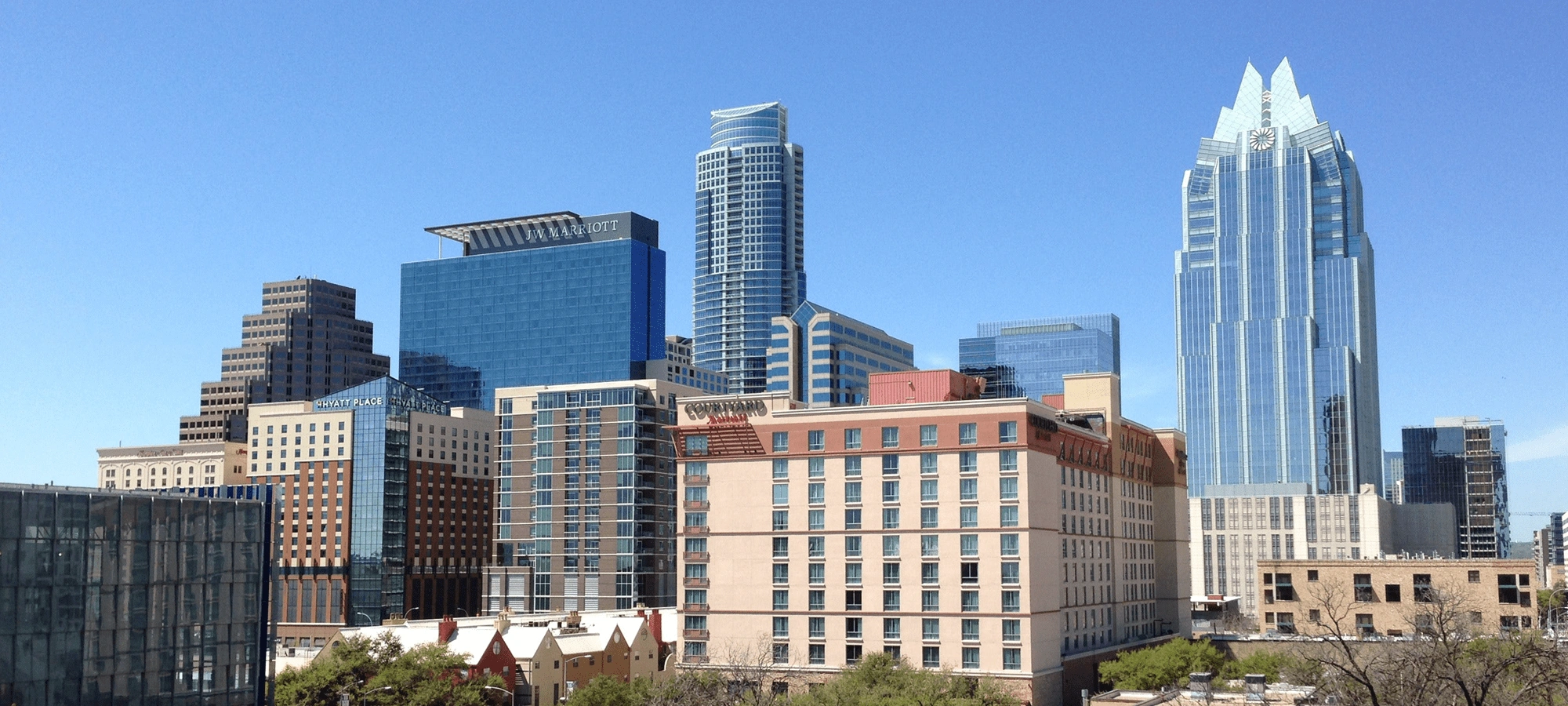
Austin, Texas: The Lone Star Leader
Austin, Texas, has emerged as the fastest-growing metro area in the United States. With a current metro population of 2,473,275 and a growth rate of 25.84%, Austin is becoming a hub of diversity and innovation. The city’s thriving tech scene, bolstered by major players like Apple and Tesla, has attracted a wave of new residents. The University of Texas at Austin also plays a pivotal role in fostering a vibrant, youthful community.
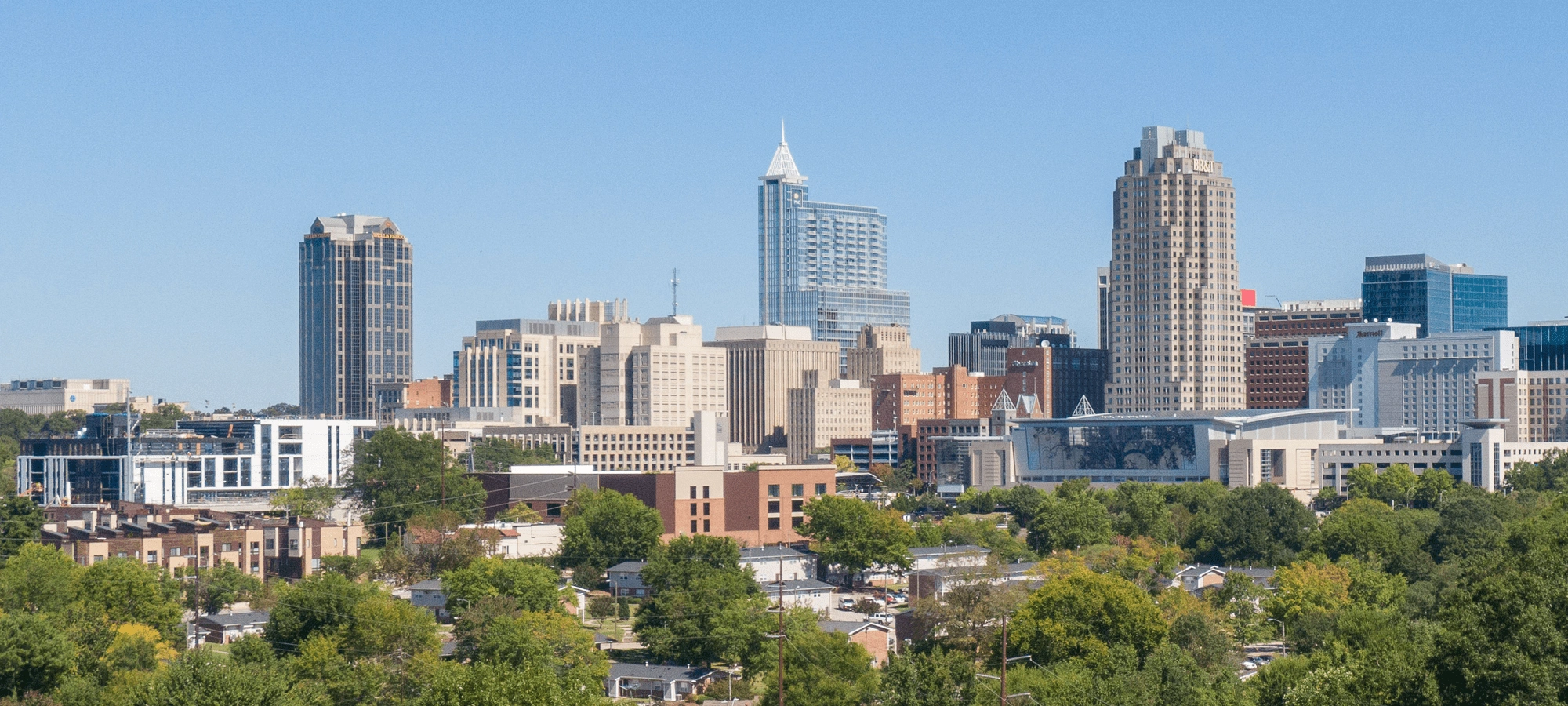
Raleigh, North Carolina: Tech and Talent
Raleigh’s growth is driven by its strong educational institutions and burgeoning tech industry. The Research Triangle is home to prominent universities and tech companies, drawing talent from across the globe. With a metro growth rate of 19.84%, Raleigh is a city on the rise, offering a blend of cultural and professional opportunities.
Orlando, Florida: Beyond the Theme Parks
While Orlando is famous for its theme parks, its growth story extends beyond tourism. The metro area has seen a 19.69% increase in population, driven by a robust healthcare sector and a thriving retirement industry. According to a recent study, Florida’s appeal to retirees continues to fuel its expansion.
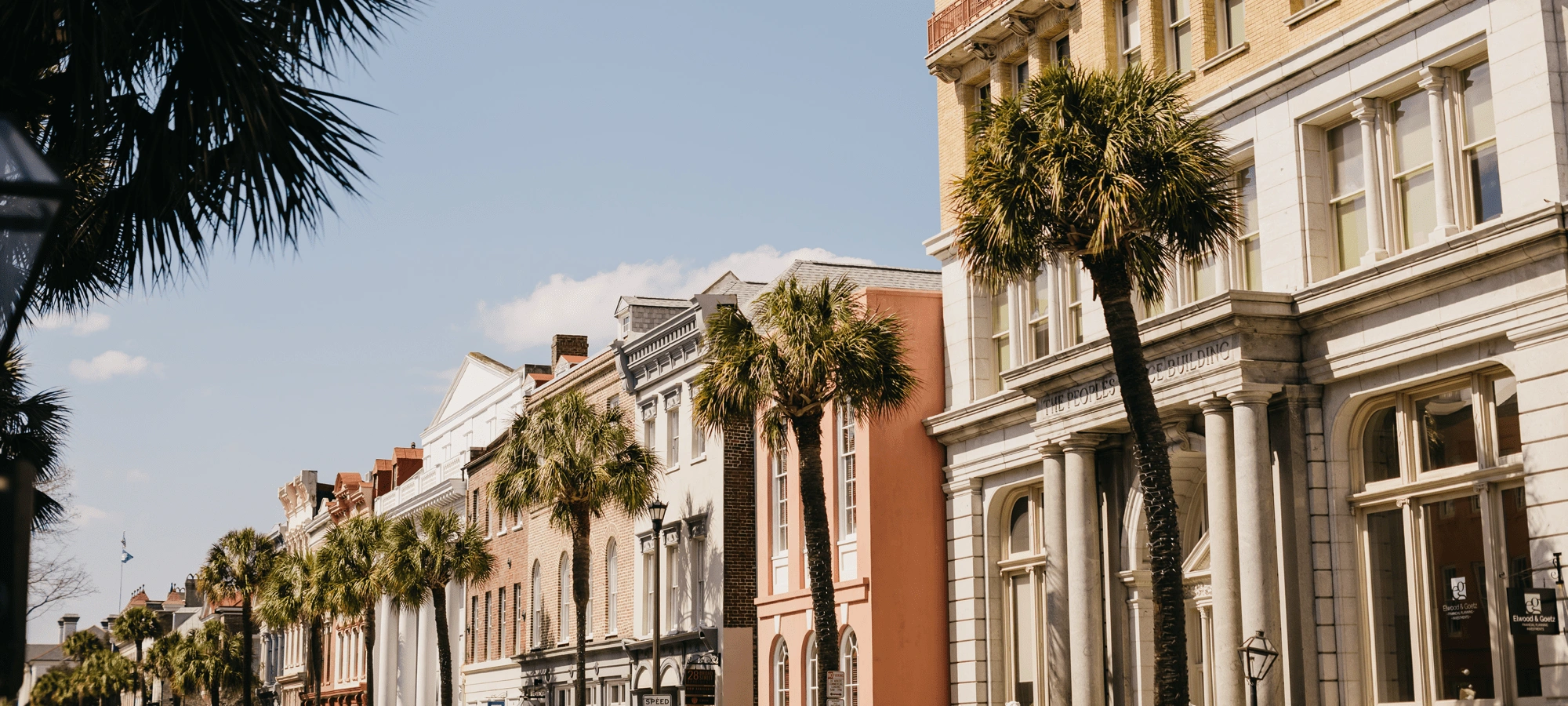
Charleston, South Carolina: A Historic Gem
Charleston blends history with modern growth, experiencing an 18.5% increase in its metro population. Known for its charm and coastal beauty, the city attracts both tourists and new residents. Charleston’s economy is diverse, with a mix of tourism, manufacturing, and technology sectors contributing to its growth.
Houston, Texas: A Giant on the Move
As one of the largest cities in the US, Houston’s metro area has grown by 17.36%. The city’s diverse economy, including a strong energy sector, continues to draw people from across the country. Despite challenges like hurricanes and heat, Houston remains an attractive destination for families and professionals alike.
Sarasota-Bradenton, Florida: Coastal Growth
The Sarasota-Bradenton area has seen a 16.81% increase in its metro population. Known for its beautiful beaches and cultural amenities, this area is a magnet for retirees and tourists. The local economy is bolstered by a strong tourism industry and a growing healthcare sector.
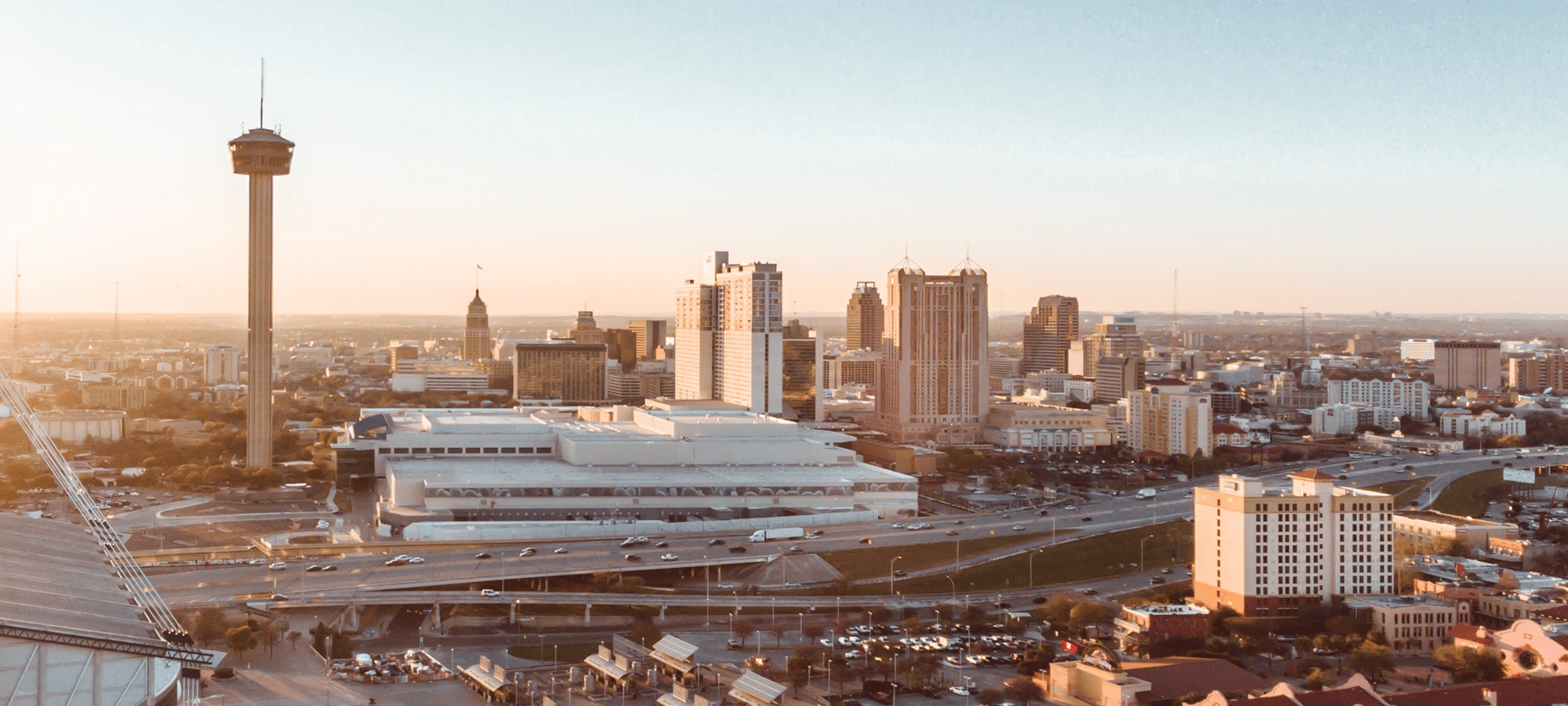
San Antonio, Texas: Military and More
San Antonio’s growth is anchored by its military presence and a diverse economy. With a 16.59% increase in its metro population, the city offers affordable living and a rich cultural heritage. Tourism, healthcare, and manufacturing are key sectors driving San Antonio’s expansion.
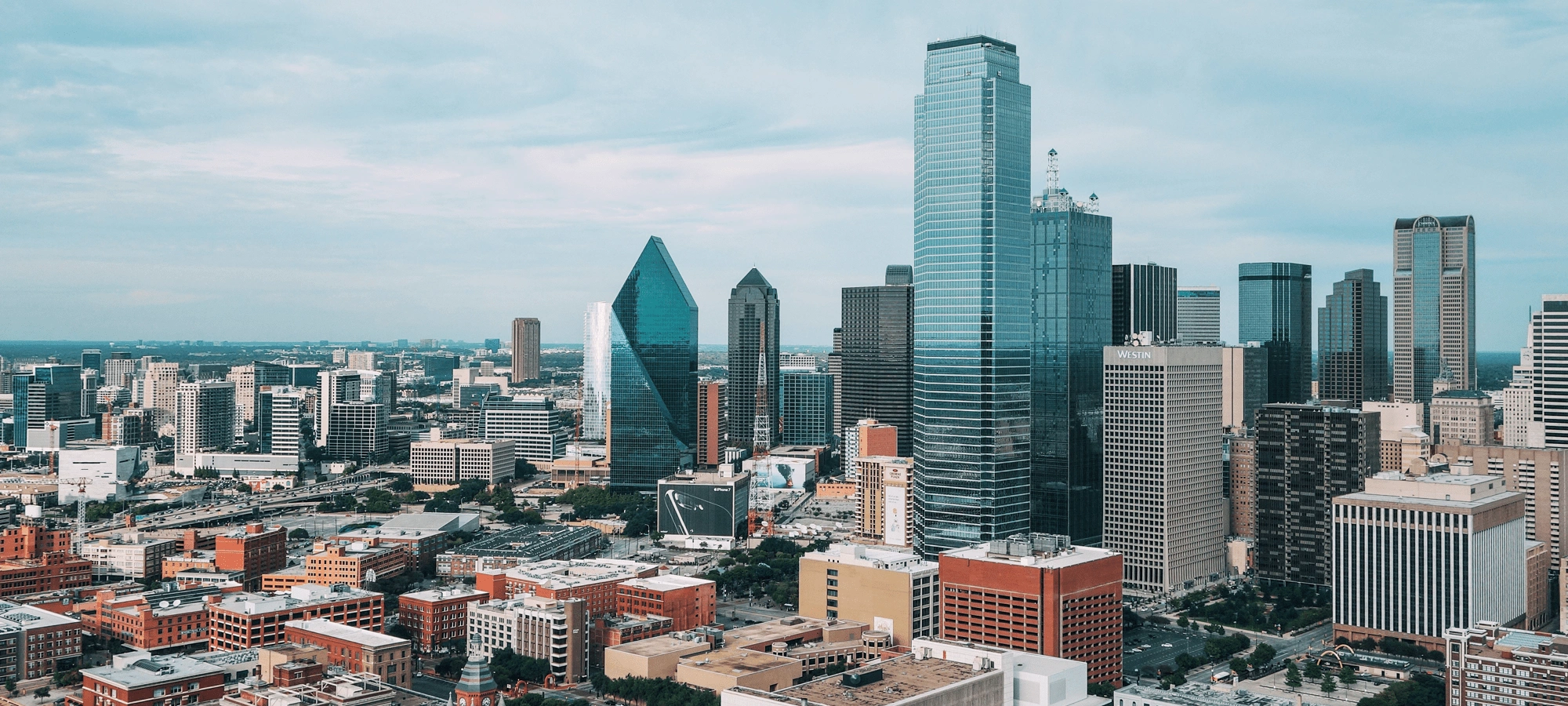
Dallas-Fort Worth, Texas: The Metroplex
The Dallas-Fort Worth Metroplex continues to thrive, with a 16.58% growth rate. This sprawling area is a hub for business, culture, and education. Major corporations and a vibrant arts scene make DFW an attractive destination for newcomers.
Phoenix, Arizona: The Valley of the Sun
Phoenix’s warm climate and growing economy have contributed to a 15.61% increase in its metro population. The city is a magnet for retirees and young professionals alike, offering a range of opportunities in healthcare, finance, and technology.
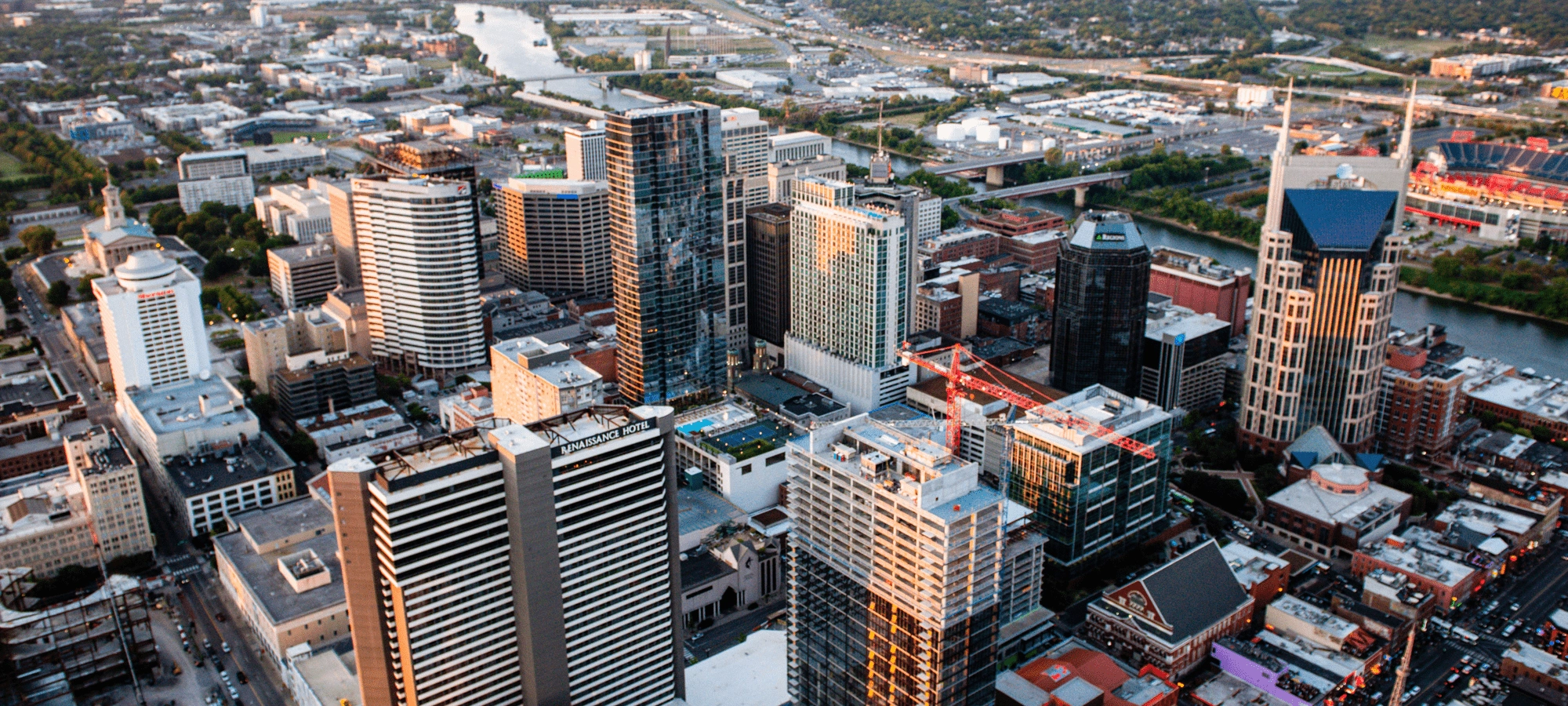
Nashville, Tennessee: Music City
Nashville’s reputation as a music and cultural hub is complemented by its economic growth. With a 15.35% increase in its metro population, the city attracts talent from various industries, including healthcare, education, and entertainment.
These cities represent a dynamic shift in the US urban landscape, driven by factors such as climate, economic opportunities, and cultural attractions. As the nation continues to evolve, these metros stand out as beacons of growth and innovation.
More Articles
Getting licensed or staying ahead in your career can be a journey—but it doesn’t have to be overwhelming. Grab your favorite coffee or tea, take a moment to relax, and browse through our articles. Whether you’re just starting out or renewing your expertise, we’ve got tips, insights, and advice to keep you moving forward. Here’s to your success—one sip and one step at a time!
The greenhouse industry is entering 2026 with a complex wave of overlapping risks — from rising insurance costs and extreme weather to cyber threats, labor shortages, and unstable supply chains. These challenges aren’t isolated; they compound one another, increasing pressure on growers and business owners alike. Insights from industry experts reveal the key trends shaping risk management in the year ahead and what operators must do now to stay resilient.
New FDIC reporting rules are changing how banks classify and disclose commercial real estate loans, replacing the old Troubled Debt Restructuring label with clearer “financial difficulty” modifications and expanding transparency across structured products and capital requirements. These updates may briefly tighten lending but ultimately promise stronger liquidity, cleaner risk data, and more predictable CRE financing as banks adapt.
Artificial intelligence is no longer an upcoming trend—it's already reshaping how real estate professionals work, compete, and win. With the AI real estate sector set to surge from $222B in 2024 to nearly $1T by 2029, the industry is undergoing a rapid transformation in valuations, virtual tours, listings, investment analysis, and client management. Agents and investors who embrace AI tools are gaining unprecedented efficiency and insight, while those who resist risk falling behind.
The Federal Housing Finance Agency is weighing the idea of 50‑year mortgages, a move that could make monthly payments more affordable but dramatically increase total interest costs. Supporters say it may help young professionals break into the housing market, while critics warn it could trap families in half a century of debt. As the industry debates this controversial loan option, real estate and mortgage professionals must stay informed to guide clients through the shifting landscape.
December is shaping up to be another unpredictable month for mortgage rates. With the Federal Reserve signaling mixed messages, key economic reports running behind schedule, and lenders already looking ahead to 2026, rates could face upward pressure. Experts from Fannie Mae and the MBA project an average 30‑year rate around 6.3% for late 2025, suggesting a potential December bump. For real estate and mortgage professionals, understanding this volatility isn’t just helpful — it’s a competitive edge.
Sellers are cutting prices at record levels, delistings are surging to highs not seen since 2017, and buyers remain hesitant despite slightly lower mortgage rates. With affordability still strained and new construction slowing, the 2025 housing market is entering a deeper‑than‑usual winter slowdown marked by caution on all sides.