The 20 Fastest Growing Cities in the US: A Closer Look
In a rapidly evolving landscape, the United States is witnessing unprecedented growth in certain metropolitan areas. The latest report from Exploding Topics delves into the top 20 fastest-growing cities and metros across the nation, revealing intriguing trends and factors driving this expansion.
Austin, Texas: The Lone Star Leader
Austin, Texas, has emerged as the fastest-growing metro area in the United States. With a current metro population of 2,473,275 and a growth rate of 25.84%, Austin is becoming a hub of diversity and innovation. The city’s thriving tech scene, bolstered by major players like Apple and Tesla, has attracted a wave of new residents. The University of Texas at Austin also plays a pivotal role in fostering a vibrant, youthful community.
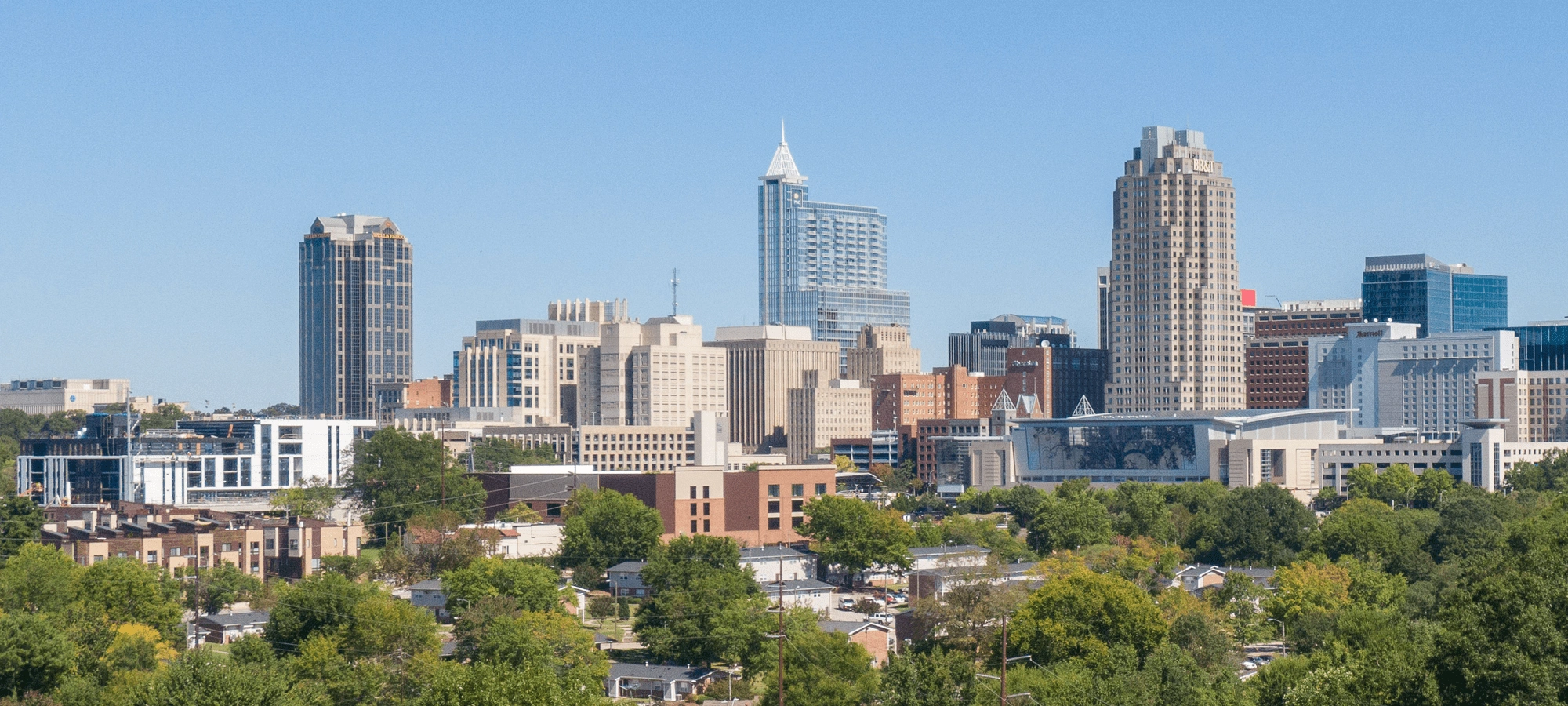
Raleigh, North Carolina: Tech and Talent
Raleigh’s growth is driven by its strong educational institutions and burgeoning tech industry. The Research Triangle is home to prominent universities and tech companies, drawing talent from across the globe. With a metro growth rate of 19.84%, Raleigh is a city on the rise, offering a blend of cultural and professional opportunities.
Orlando, Florida: Beyond the Theme Parks
While Orlando is famous for its theme parks, its growth story extends beyond tourism. The metro area has seen a 19.69% increase in population, driven by a robust healthcare sector and a thriving retirement industry. According to a recent study, Florida’s appeal to retirees continues to fuel its expansion.
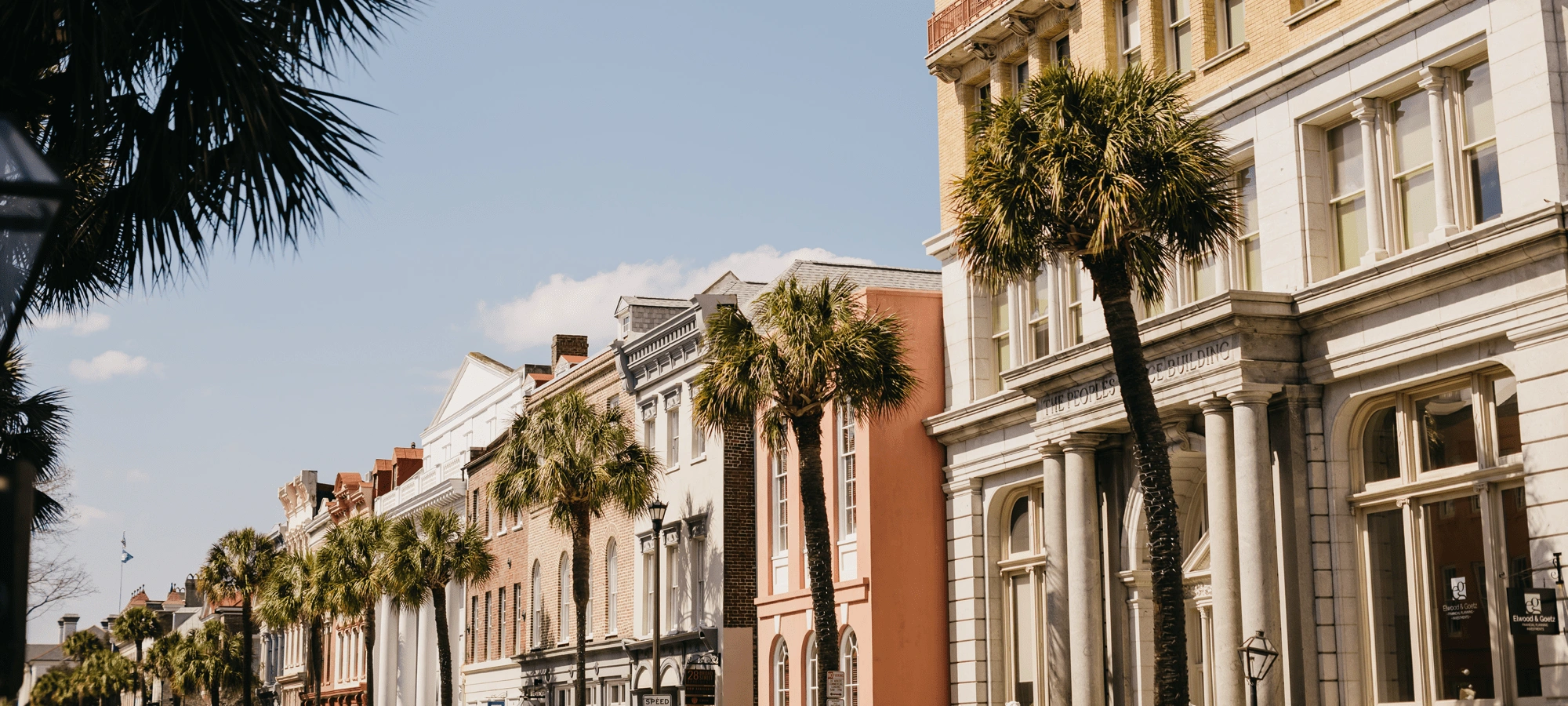
Charleston, South Carolina: A Historic Gem
Charleston blends history with modern growth, experiencing an 18.5% increase in its metro population. Known for its charm and coastal beauty, the city attracts both tourists and new residents. Charleston’s economy is diverse, with a mix of tourism, manufacturing, and technology sectors contributing to its growth.
Houston, Texas: A Giant on the Move
As one of the largest cities in the US, Houston’s metro area has grown by 17.36%. The city’s diverse economy, including a strong energy sector, continues to draw people from across the country. Despite challenges like hurricanes and heat, Houston remains an attractive destination for families and professionals alike.
Sarasota-Bradenton, Florida: Coastal Growth
The Sarasota-Bradenton area has seen a 16.81% increase in its metro population. Known for its beautiful beaches and cultural amenities, this area is a magnet for retirees and tourists. The local economy is bolstered by a strong tourism industry and a growing healthcare sector.
San Antonio, Texas: Military and More
San Antonio’s growth is anchored by its military presence and a diverse economy. With a 16.59% increase in its metro population, the city offers affordable living and a rich cultural heritage. Tourism, healthcare, and manufacturing are key sectors driving San Antonio’s expansion.
Dallas-Fort Worth, Texas: The Metroplex
The Dallas-Fort Worth Metroplex continues to thrive, with a 16.58% growth rate. This sprawling area is a hub for business, culture, and education. Major corporations and a vibrant arts scene make DFW an attractive destination for newcomers.
Phoenix, Arizona: The Valley of the Sun
Phoenix’s warm climate and growing economy have contributed to a 15.61% increase in its metro population. The city is a magnet for retirees and young professionals alike, offering a range of opportunities in healthcare, finance, and technology.
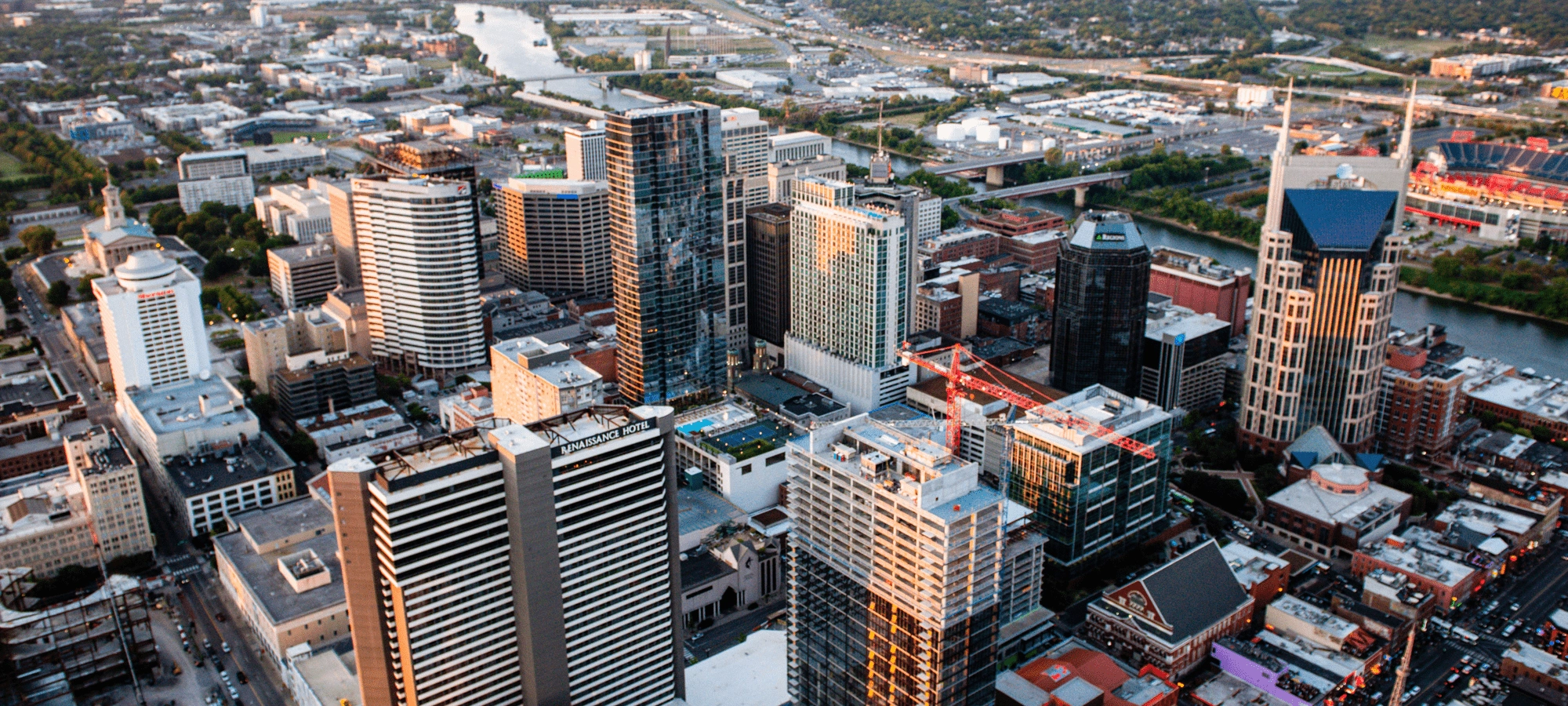
Nashville, Tennessee: Music City
Nashville’s reputation as a music and cultural hub is complemented by its economic growth. With a 15.35% increase in its metro population, the city attracts talent from various industries, including healthcare, education, and entertainment.
These cities represent a dynamic shift in the US urban landscape, driven by factors such as climate, economic opportunities, and cultural attractions. As the nation continues to evolve, these metros stand out as beacons of growth and innovation.
More Articles
Getting licensed or staying ahead in your career can be a journey—but it doesn’t have to be overwhelming. Grab your favorite coffee or tea, take a moment to relax, and browse through our articles. Whether you’re just starting out or renewing your expertise, we’ve got tips, insights, and advice to keep you moving forward. Here’s to your success—one sip and one step at a time!
Bluerate.ai—formerly MyMortgageRates—is stepping into 2025 with a mission to modernize a mortgage process that has barely changed in decades. Built by Zeitro, the platform equips both borrowers and loan officers with powerful AI tools, from online pre‑qualification and automated financial data extraction to instant guideline answers and scenario analysis. With more than 3,000 verified NMLS‑licensed loan officers and real‑time rate comparisons from major lenders, Bluerate.ai is quickly becoming a must‑know platform for mortgage and real estate professionals seeking speed, clarity, and a fully digital lending experience.
After the longest government shutdown in U.S. history, key federal housing programs such as FHA, VA, USDA, and NFIP are officially back in operation—offering long‑awaited relief to agents, lenders, and insurance professionals. But with a six‑week backlog slowing everything from loan guarantees to flood-insurance renewals, real estate pros should brace for delays and focus on resetting client expectations. A new federal spending deal restores funding through early 2026 and gives the market room to breathe, while NAR’s aggressive advocacy helped push the government toward reopening. Now, professionals who communicate clearly and stay on top of regulatory updates will be best positioned to guide clients through the temporary turbulence.
Commercial real estate is rapidly shifting toward a digital-first model, with platforms like Crexi leading the charge. By unifying property data, AI-driven insights, transparent bidding, and streamlined transaction tools, digital marketplaces are becoming essential to how modern CRE deals are sourced, analyzed, and closed. With more than 2 million monthly users and over $1 trillion in facilitated transactions, Crexi showcases how technology is reshaping the industry and giving real estate professionals a powerful competitive edge.
Europe’s biggest landlords—including Aroundtown, Vonovia, and top global investors—have teamed up to launch ATechX, a powerful new accelerator giving proptech startups something they rarely get: access to real buildings, real customers, and a clear path to scale across multiple countries. Designed to move founders beyond “pilot purgatory,” ATechX offers a true sandbox for innovation in Europe’s aging, regulation‑heavy property market, helping promising technology reach commercial traction faster than ever.
Mortgage rates are finally easing, inventory is climbing, and buyers are gaining leverage for the first time in years — yet sky‑high prices and economic jitters are keeping many on pause. With economists warning that inflation could push rates higher again, this fall may offer a rare window for well‑prepared buyers. Here’s what’s driving the shift, where opportunities are emerging, and how real estate professionals can stay ahead.
Griffin Funding has appointed John Jones as Senior Vice President of Growth and EOS Integrator, aiming to scale the company toward a $3 billion annual non-QM volume goal by 2030. After serving in fractional leadership roles since April 2025, Jones now steps in full‑time to lead organizational structure, efficiency, market expansion, and cross‑department alignment. Backed by strong liquidity and rising deal volume, Griffin Funding appears positioned for major industry impact in the years ahead.