The 2025–2026 Insurance Risk Agenda: What Every Professional Needs to Know
The insurance world didn’t ease up in 2025 — and for 2026, the pressure only intensifies. Today’s insurers are being pulled in two very different directions: innovate faster than ever while simultaneously tightening controls under rising regulatory, geopolitical and economic turbulence. For professionals across insurance, finance, mortgage, and compliance, this dual reality defines the year ahead.
InsuranceNewsNet recently highlighted the key forces shaping the coming cycle, and the picture is clear: growth and innovation now require smarter, more disciplined risk management than at any point in the past decade.
1. AI Acceleration and the Governance Crunch
Artificial intelligence is no longer experimental — it’s operational. In 2025, insurers shifted rapidly to AI-supported underwriting, dynamic pricing, and real-time risk selection. The result? Massive opportunity paired with new forms of exposure.
Key risks include:
• Model drift and explainability issues
• Heightened fairness and discrimination scrutiny
• Deepened board expectations for oversight
Digital transformation demands speed, but cyber resilience and governance demand discipline. Insurers that master both will hold the competitive edge in 2026.
2. Stricter Oversight of Third-Party Vendors
Regulators increasingly view third-party vendors as extensions of the insurer itself. In 2025, the NAIC intensified scrutiny of PBMs, data providers, modeling vendors and third-party administrators.
For PBMs, the regulatory shift is especially sharp, with new examination frameworks and robust data gathering protocols. For insurers, this means documented oversight is now non-negotiable.
Other high-focus areas include:
• Predictive model vendors
• Annuity suitability partners (no more “we outsourced it”)
• Third-party administrators and standardized licensing
Vendor governance now requires the same rigor as capital management: structured, evidence-driven, and continuously updated.
3. Volatile Markets, Rates and Global Pressures
Rate volatility remained stubborn in 2025, impacting capital strategies, policyholder behavior, reinsurance structures and solvency metrics. With global tensions rising, insurers face pressure on catastrophic losses, offshore reinsurance scrutiny and earnings stability.
Property and casualty carriers continue to face elevated catastrophe losses — about $107 billion last year alone — fueled by events like the California Palisades Fire.
Health insurers grappled with premium deficiencies, while life insurers benefitted from attractive long-term spreads but struggled with legacy guarantees.
4. The Growing Talent Gap
The industry’s talent shortage is no longer looming — it’s here. Retirements are accelerating, and fewer young professionals are entering the field. Highly technical roles, from actuarial to compliance analytics, face particularly significant shortages.
This creates both a challenge and an enormous opportunity for professionals investing in upskilling and licensure.
What 2026 Demands from Insurance Leaders
Across all risk categories, four priorities stand out:
• Bring risk and compliance into strategic decision-making
• Industrialize vendor and model governance
• Invest in talent, technology and professional education
• Build pricing and capital structures that can flex with volatility
2025 was a stress test — 2026 is the proving ground.
Where Cameron Academy Fits In
With the industry evolving at record speed, staying licensed, certified and professionally competitive is more important than ever. Cameron Academy’s insurance, finance and compliance programs help both new and seasoned professionals build the expertise regulators now demand. Whether you’re upskilling, reskilling or stepping into the field for the first time, Cameron Academy keeps you ahead of the curve — in all 50 states.
For full context and deeper insights, explore the original feature at InsuranceNewsNet, a trusted source in professional insurance reporting.
More Articles
Getting licensed or staying ahead in your career can be a journey—but it doesn’t have to be overwhelming. Grab your favorite coffee or tea, take a moment to relax, and browse through our articles. Whether you’re just starting out or renewing your expertise, we’ve got tips, insights, and advice to keep you moving forward. Here’s to your success—one sip and one step at a time!
A growing share of American homeowners now carry mortgage rates above 5%—a dramatic shift that’s reshaping refinancing, inventory, and buyer behavior nationwide. With more than 30% of borrowers locked into rates over 5% and 20% above 6%, the market is split between owners holding on to low pandemic‑era loans and new buyers taking on higher‑rate mortgages. Federal efforts to push rates down could unlock millions of refinancing opportunities, while buyers see only modest monthly savings. For real estate professionals, understanding these rate dynamics is crucial as they increasingly drive inventory levels, affordability, and market activity.
New Moody’s data shows commercial real estate deal volume slipped 20% in December, marking a second monthly decline. Yet the full year tells a different story: 2025 ended with a 17% gain, signaling a quiet but resilient recovery. The biggest surprise came from the office sector, which posted a 21% jump in activity as return‑to‑office trends and AI‑driven job growth boosted demand. Multifamily, retail, and alternative assets like data centers also saw strong momentum, giving real estate professionals a market full of fresh opportunities heading into 2026.
Florida drivers and industry professionals are heading into 2026 with good news: auto insurance rates are dropping across the state as the market shows strong signs of stabilization. USAA leads the latest wave with a 7% average rate decrease expected in May 2026, saving members more than $125 million annually. They join several major insurers — including State Farm, Progressive, AAA, Allstate, and Florida Farm Bureau — all approving significant reductions. Officials credit recent legislative reforms, especially tort reform, for the improved loss ratios and renewed insurer confidence. With both auto and home insurance markets strengthening, Florida’s real estate, mortgage, and insurance professionals can expect more consumer confidence, smoother transactions, and expanding career opportunities.
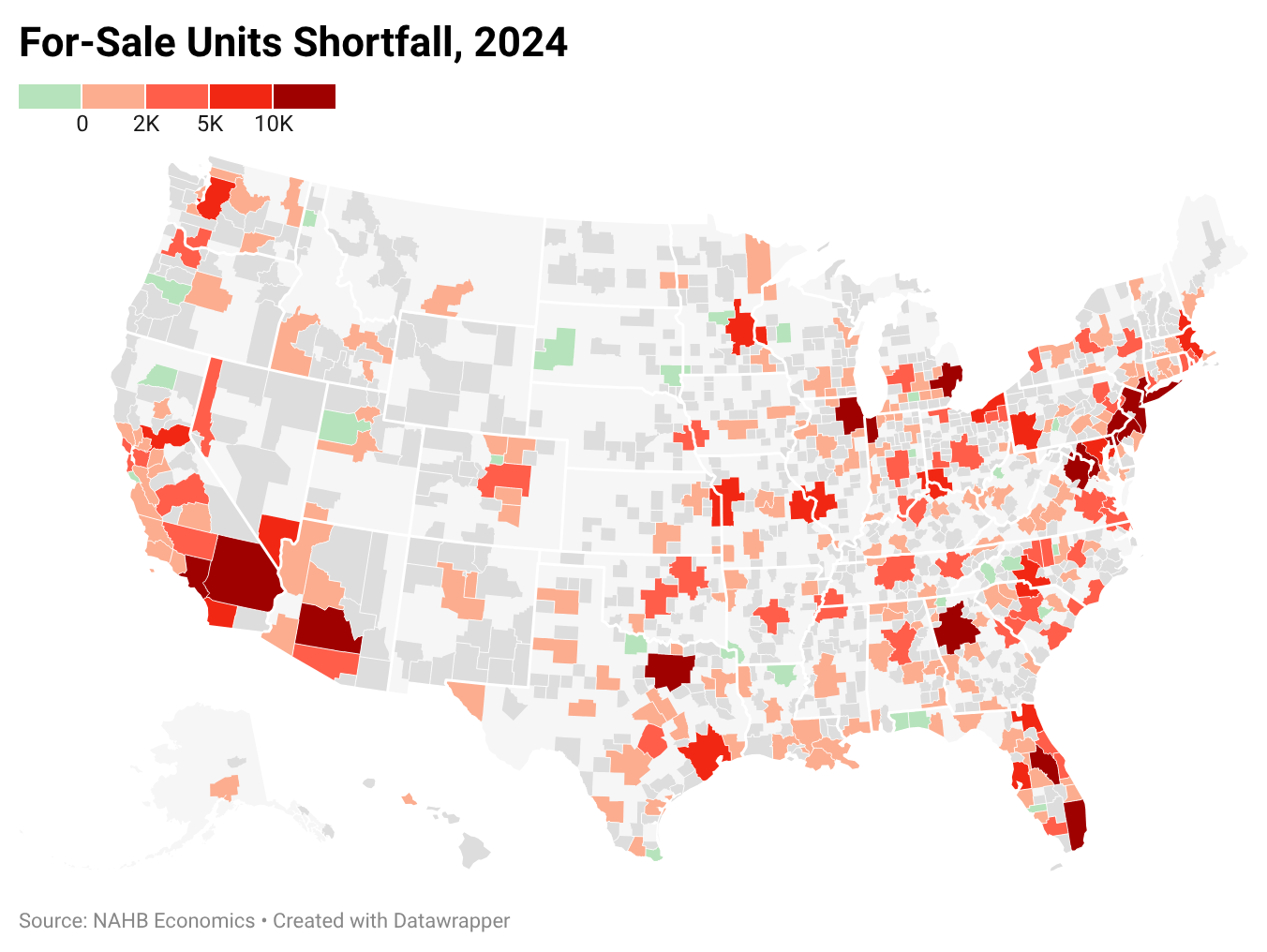
New data from Eye On Housing and the NAHB shows the U.S. remains short more than 1.2 million housing units, keeping pressure on both rents and home prices. Record‑low vacancy rates, slow single‑family construction, and restrictive zoning continue to fuel intense competition in 2024. Major metros like Chicago, New York, and Atlanta face some of the deepest deficits, and the true nationwide shortfall may be even higher when accounting for overcrowding and aging homes. For real estate professionals, the ongoing shortage means sustained demand, tighter inventory, and major opportunities for those who understand the evolving market.
Top real estate coach Jason Pantana says the divide between agents today isn’t about who has “tried” AI — it’s about who is immersed in it. In a new HousingWire interview, he explains why AI isn’t a gimmick but a full business system that amplifies output, improves authenticity, and reshapes how clients search for agents. From prompt mastery to AI‑driven visibility on Google, Pantana reveals how agents who commit even 15 minutes a day to learning AI are already outperforming those who hesitate.
Dallas–Fort Worth’s commercial real estate market closed 2025 with a split personality. Industrial dominated with massive new deliveries and soaring leasing demand, retail held steady with some of the market’s strongest fundamentals in years, and office continued to falter under remote‑work pressures. High vacancies, weak absorption, and rising demand for top‑tier space show the sector’s ongoing reset. Meanwhile, industrial and retail strength position the Metroplex for another powerhouse year heading into 2026.