The 2025–2026 Insurance Risk Agenda: What Every Professional Needs to Know
The insurance world didn’t ease up in 2025 — and for 2026, the pressure only intensifies. Today’s insurers are being pulled in two very different directions: innovate faster than ever while simultaneously tightening controls under rising regulatory, geopolitical and economic turbulence. For professionals across insurance, finance, mortgage, and compliance, this dual reality defines the year ahead.
InsuranceNewsNet recently highlighted the key forces shaping the coming cycle, and the picture is clear: growth and innovation now require smarter, more disciplined risk management than at any point in the past decade.
1. AI Acceleration and the Governance Crunch
Artificial intelligence is no longer experimental — it’s operational. In 2025, insurers shifted rapidly to AI-supported underwriting, dynamic pricing, and real-time risk selection. The result? Massive opportunity paired with new forms of exposure.
Key risks include:
• Model drift and explainability issues
• Heightened fairness and discrimination scrutiny
• Deepened board expectations for oversight
Digital transformation demands speed, but cyber resilience and governance demand discipline. Insurers that master both will hold the competitive edge in 2026.
2. Stricter Oversight of Third-Party Vendors
Regulators increasingly view third-party vendors as extensions of the insurer itself. In 2025, the NAIC intensified scrutiny of PBMs, data providers, modeling vendors and third-party administrators.
For PBMs, the regulatory shift is especially sharp, with new examination frameworks and robust data gathering protocols. For insurers, this means documented oversight is now non-negotiable.
Other high-focus areas include:
• Predictive model vendors
• Annuity suitability partners (no more “we outsourced it”)
• Third-party administrators and standardized licensing
Vendor governance now requires the same rigor as capital management: structured, evidence-driven, and continuously updated.
3. Volatile Markets, Rates and Global Pressures
Rate volatility remained stubborn in 2025, impacting capital strategies, policyholder behavior, reinsurance structures and solvency metrics. With global tensions rising, insurers face pressure on catastrophic losses, offshore reinsurance scrutiny and earnings stability.
Property and casualty carriers continue to face elevated catastrophe losses — about $107 billion last year alone — fueled by events like the California Palisades Fire.
Health insurers grappled with premium deficiencies, while life insurers benefitted from attractive long-term spreads but struggled with legacy guarantees.
4. The Growing Talent Gap
The industry’s talent shortage is no longer looming — it’s here. Retirements are accelerating, and fewer young professionals are entering the field. Highly technical roles, from actuarial to compliance analytics, face particularly significant shortages.
This creates both a challenge and an enormous opportunity for professionals investing in upskilling and licensure.
What 2026 Demands from Insurance Leaders
Across all risk categories, four priorities stand out:
• Bring risk and compliance into strategic decision-making
• Industrialize vendor and model governance
• Invest in talent, technology and professional education
• Build pricing and capital structures that can flex with volatility
2025 was a stress test — 2026 is the proving ground.
Where Cameron Academy Fits In
With the industry evolving at record speed, staying licensed, certified and professionally competitive is more important than ever. Cameron Academy’s insurance, finance and compliance programs help both new and seasoned professionals build the expertise regulators now demand. Whether you’re upskilling, reskilling or stepping into the field for the first time, Cameron Academy keeps you ahead of the curve — in all 50 states.
For full context and deeper insights, explore the original feature at InsuranceNewsNet, a trusted source in professional insurance reporting.
More Articles
Getting licensed or staying ahead in your career can be a journey—but it doesn’t have to be overwhelming. Grab your favorite coffee or tea, take a moment to relax, and browse through our articles. Whether you’re just starting out or renewing your expertise, we’ve got tips, insights, and advice to keep you moving forward. Here’s to your success—one sip and one step at a time!
In the sun-drenched locale of Palm Beach, South Florida, a compelling narrative is unfolding in the world of real estate. The "Palm Beach State of the Market" event, hosted by Bisnow, offers a panoramic view of the current dynamics shaping the region's real estate landscape.
In a riveting discussion at the Fortune Future of Finance conference, real estate experts explored the durability of the housing market despite numerous economic pressures, likening it to "defying gravity."
The affordable housing crisis in the United States is a complex issue, and no single solution can address it entirely. However, many cities are increasingly looking to zoning reform as a pivotal strategy to boost housing supply.
Steamboat's identity as a small-town Western haven is at risk. The town, once known for its affordability compared to places like Vail, is now facing a real estate crisis.
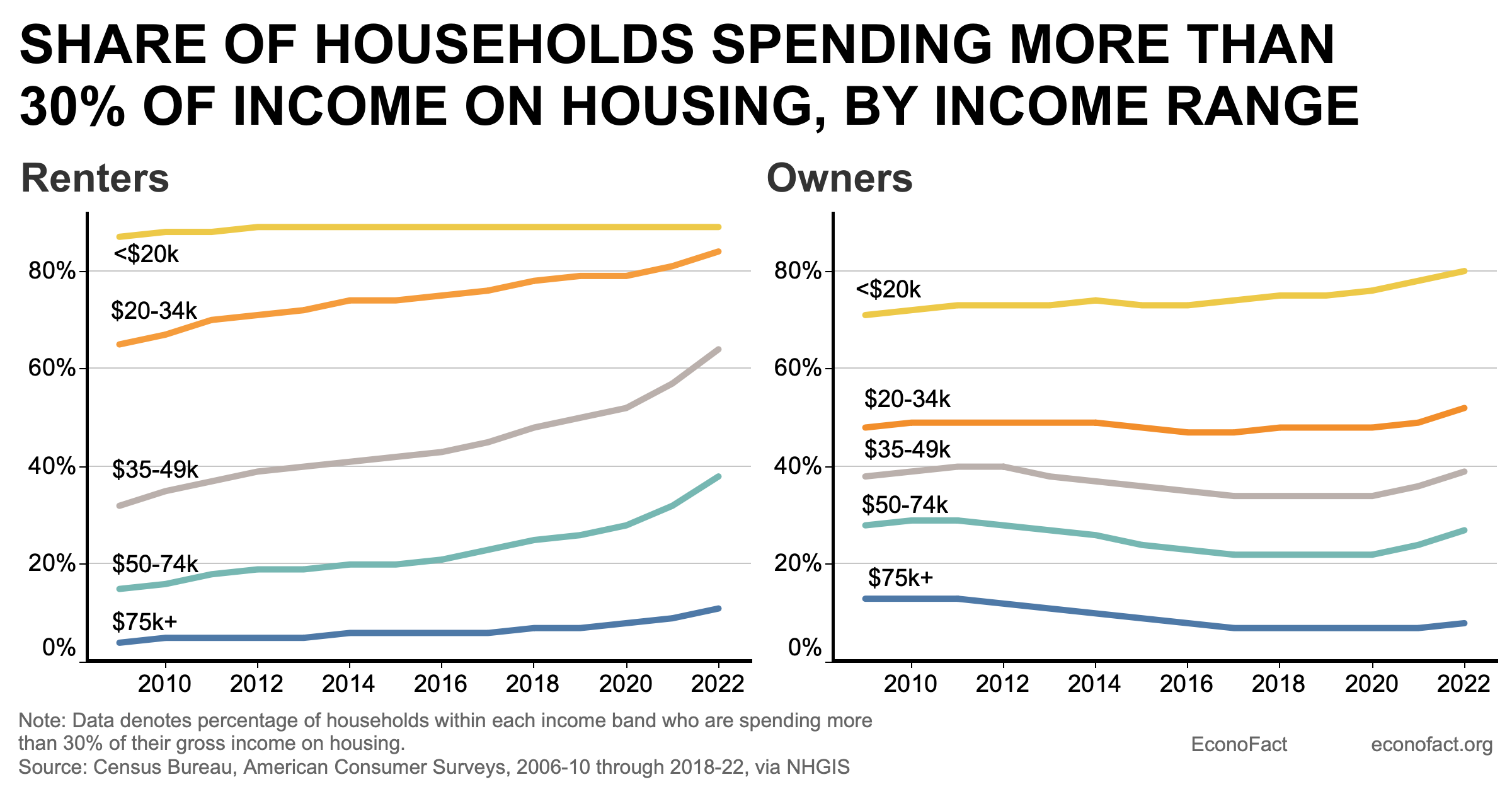
The American housing market is grappling with a crisis of affordability that is reshaping the landscape of homeownership and renting. With median house prices now six times the median income—up from four to five times two decades ago—the dream of homeownership is slipping away for many.