The 2025–2026 Insurance Risk Agenda: What Every Professional Needs to Know
The insurance world didn’t ease up in 2025 — and for 2026, the pressure only intensifies. Today’s insurers are being pulled in two very different directions: innovate faster than ever while simultaneously tightening controls under rising regulatory, geopolitical and economic turbulence. For professionals across insurance, finance, mortgage, and compliance, this dual reality defines the year ahead.
InsuranceNewsNet recently highlighted the key forces shaping the coming cycle, and the picture is clear: growth and innovation now require smarter, more disciplined risk management than at any point in the past decade.
1. AI Acceleration and the Governance Crunch
Artificial intelligence is no longer experimental — it’s operational. In 2025, insurers shifted rapidly to AI-supported underwriting, dynamic pricing, and real-time risk selection. The result? Massive opportunity paired with new forms of exposure.
Key risks include:
• Model drift and explainability issues
• Heightened fairness and discrimination scrutiny
• Deepened board expectations for oversight
Digital transformation demands speed, but cyber resilience and governance demand discipline. Insurers that master both will hold the competitive edge in 2026.
2. Stricter Oversight of Third-Party Vendors
Regulators increasingly view third-party vendors as extensions of the insurer itself. In 2025, the NAIC intensified scrutiny of PBMs, data providers, modeling vendors and third-party administrators.
For PBMs, the regulatory shift is especially sharp, with new examination frameworks and robust data gathering protocols. For insurers, this means documented oversight is now non-negotiable.
Other high-focus areas include:
• Predictive model vendors
• Annuity suitability partners (no more “we outsourced it”)
• Third-party administrators and standardized licensing
Vendor governance now requires the same rigor as capital management: structured, evidence-driven, and continuously updated.
3. Volatile Markets, Rates and Global Pressures
Rate volatility remained stubborn in 2025, impacting capital strategies, policyholder behavior, reinsurance structures and solvency metrics. With global tensions rising, insurers face pressure on catastrophic losses, offshore reinsurance scrutiny and earnings stability.
Property and casualty carriers continue to face elevated catastrophe losses — about $107 billion last year alone — fueled by events like the California Palisades Fire.
Health insurers grappled with premium deficiencies, while life insurers benefitted from attractive long-term spreads but struggled with legacy guarantees.
4. The Growing Talent Gap
The industry’s talent shortage is no longer looming — it’s here. Retirements are accelerating, and fewer young professionals are entering the field. Highly technical roles, from actuarial to compliance analytics, face particularly significant shortages.
This creates both a challenge and an enormous opportunity for professionals investing in upskilling and licensure.
What 2026 Demands from Insurance Leaders
Across all risk categories, four priorities stand out:
• Bring risk and compliance into strategic decision-making
• Industrialize vendor and model governance
• Invest in talent, technology and professional education
• Build pricing and capital structures that can flex with volatility
2025 was a stress test — 2026 is the proving ground.
Where Cameron Academy Fits In
With the industry evolving at record speed, staying licensed, certified and professionally competitive is more important than ever. Cameron Academy’s insurance, finance and compliance programs help both new and seasoned professionals build the expertise regulators now demand. Whether you’re upskilling, reskilling or stepping into the field for the first time, Cameron Academy keeps you ahead of the curve — in all 50 states.
For full context and deeper insights, explore the original feature at InsuranceNewsNet, a trusted source in professional insurance reporting.
More Articles
Getting licensed or staying ahead in your career can be a journey—but it doesn’t have to be overwhelming. Grab your favorite coffee or tea, take a moment to relax, and browse through our articles. Whether you’re just starting out or renewing your expertise, we’ve got tips, insights, and advice to keep you moving forward. Here’s to your success—one sip and one step at a time!
Skyrocketing insurance premiums and soaring rebuilding costs are transforming communities across Southwest Florida, especially in the wake of Hurricane Ian. As longtime residents struggle to keep up with rising financial pressure, wealthier newcomers and stricter building standards are reshaping the identity of places like Fort Myers Beach. With insurance rates now driving home sales, triggering potential foreclosures, and squeezing both owners and renters, Florida’s middle-class families face a growing question: can they afford to stay in the state they love?
Florida’s insurance industry is stabilizing fast, with nearly 1.6 million policies shifting from Citizens to private insurers and litigation dropping sharply. Regulators report stronger market confidence, decreasing premiums, and renewed competition—signaling one of the healthiest periods the state has seen in years.
A Leon County judge has ordered the restart of arbitration for Citizens Property Insurance claims, directly conflicting with a previous ruling that halted the process as potentially unconstitutional. With more than 400 cases now back in motion, real estate, insurance, and mortgage professionals can expect renewed activity in claim disputes and fresh uncertainty as Florida courts clash over the legality of Citizens’ arbitration system.
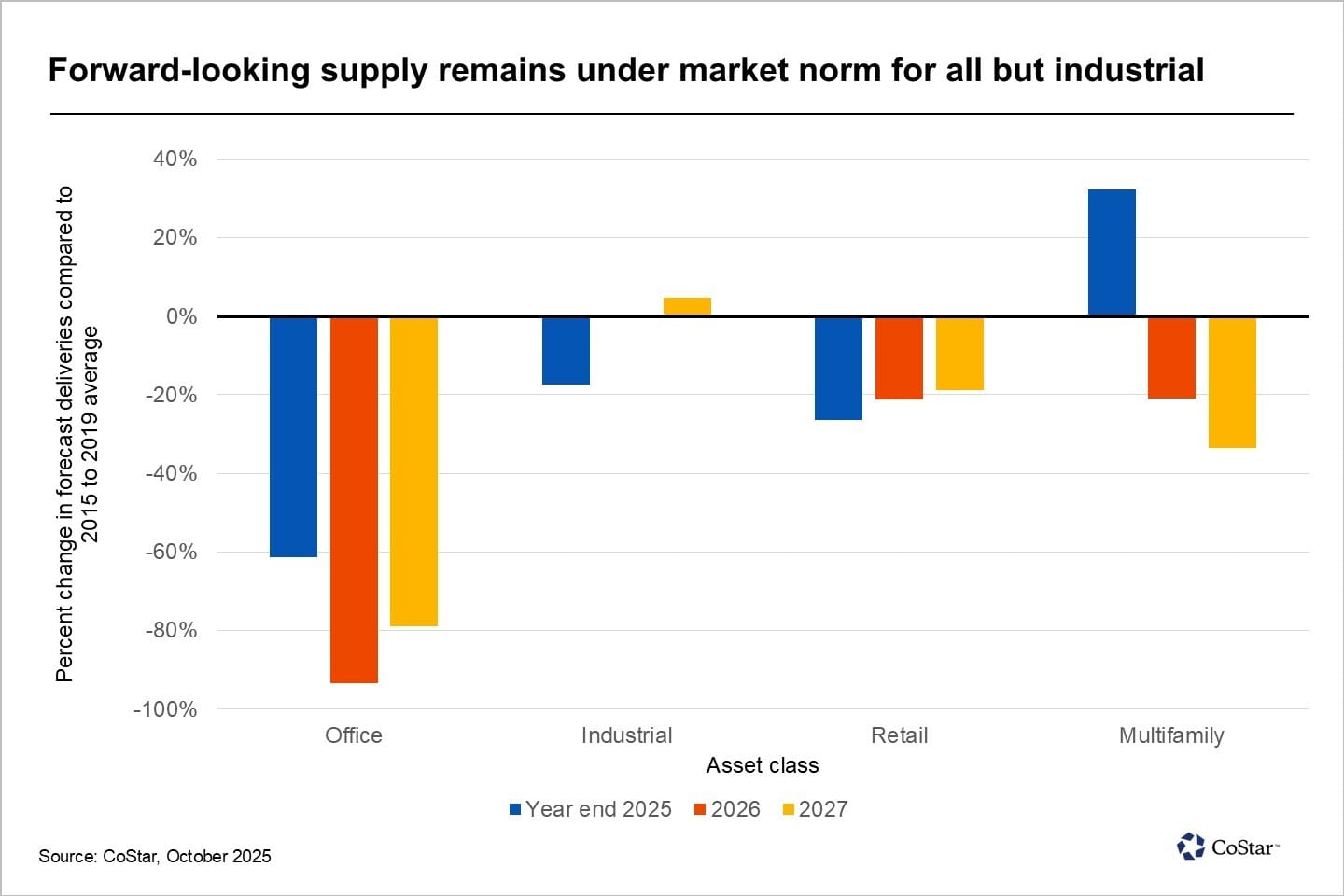
The DFW market is transitioning into a new construction phase marked by a slowdown in office development, a more selective approach to industrial projects, and an evolving housing landscape shaped by affordability and population growth. Developers are recalibrating their priorities, and for real estate professionals, understanding these shifts offers a critical edge in navigating—and capitalizing on—the next phase of the metroplex’s growth.
A new federal lawsuit claims Zillow pushed homebuyers toward Zillow Home Loans by rewarding affiliated agents with valuable leads — all without proper disclosure. The suit alleges undisclosed incentives, referral quotas, and potential RESPA violations, raising major concerns about steering, fiduciary duties, and Zillow’s expanding mortgage ambitions.
The mortgage industry is evolving fast, and the lenders who come out on top will be those who innovate without uprooting what already works. By building on strong technology foundations, streamlining workflows and adopting smart automation, lenders can reduce costs, improve customer experience and stay resilient in any market cycle. This article breaks down why innovation matters now, how a stable tech ecosystem protects lenders in volatile conditions and why small, strategic steps can drive long-term transformation.