The 2025 Commercial Real Estate Landscape: A Prime Moment for Private Investors to Move

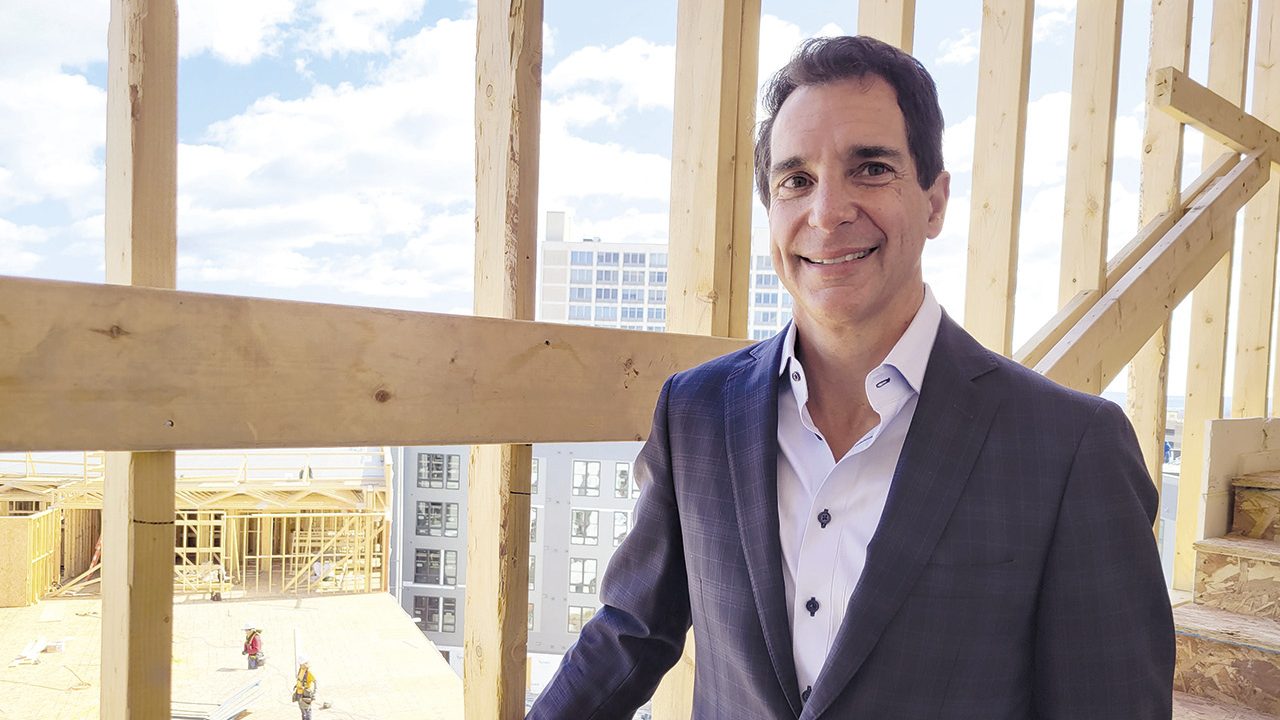
Commercial real estate construction site

Commercial real estate is shifting again — and this time, in ways that may heavily favor private investors. According to JLL’s newly released 2025 Guide: The State of Commercial Real Estate – Private Investor, opportunities are emerging across multiple asset classes as liquidity returns and market confidence stabilizes.

The commercial real estate (CRE) market saw global transaction volumes for properties valued between $5–30 million climb to $218.6 billion in 2024 — up from $207 billion the previous year. This rebound signals a healthier, more strategic investment climate where smaller, targeted acquisitions are outperforming institutional megadeals.

Where Private Investors Are Finding Value

Assets priced under $50 million are showing particular resilience. Multifamily properties, industrial warehouses, medical offices, undeveloped land, self‑storage, and even select retail spaces continue to draw significant interest. Offices remain the most nuanced category, though specific high‑quality, amenity-rich properties are emerging as winners.

Looking ahead, liquidity is expected to improve substantially through 2025 as lenders re‑enter the commercial mortgage arena with more confidence. While high interest rates kept some institutions on the sidelines in 2024, private investors were able to seize attractive discounts — and those who act early in 2025 may lock in first‑mover advantages before competition intensifies.

The Supply Crunch That’s Fueling Demand

New development delays and elevated construction costs are limiting available inventory. This mismatch is creating heightened competition for well‑located, top‑tier assets. Meanwhile, interest rate stability is helping to strengthen debt performance and boost buyer demand.

CRE Still Outperforms Globally

One of the standout insights from JLL’s analysis: U.S. private real estate delivered 11.19% annualized returns from 2013–2023 — outperforming Europe (9.40%) and Asia-Pacific (7.98%). CRE continues to serve as a proven inflation hedge, offering investors predictable income streams and dependable long‑term appreciation.

Sector-by-Sector: What’s Heating Up

Multifamily remains dominant thanks to ongoing urbanization and population growth. Global multifamily sales jumped from $162.9 billion in 2023 to $188.1 billion in 2024, with the U.S. accounting for a massive $132 billion.

Retail is experiencing a surprising resurgence. Grocery‑anchored centers and major high‑street locations are seeing rent growth and stronger foot traffic. Private investors drove 71% of all U.S. retail CRE deals in 2024 — especially in Sun Belt markets such as Texas and Florida.

Industrial & warehouse properties face pressures from inflation and tariffs, yet liquidity remains strong. Global industrial sales climbed to $166 billion in 2024, supported by long‑term demands tied to e‑commerce, nearshoring, and greener, energy‑efficient facilities.

Office continues to be the most complex asset class. While U.S. sales for mid‑tier office buildings dropped to $17 billion in 2024, global volumes rose 13% to $147.9 billion. Japan and Australia are seeing powerful leasing activity, and tenants worldwide are prioritizing amenities, prime locations, and workspace quality.

What Smart Investors Should Do Next

JLL’s report emphasizes swift, informed action. As liquidity improves and institutional players return, private investors who move early can potentially secure better pricing and stronger long‑term positions. Strategic diversification and careful risk assessment remain essential — and working directly with experts can help investors navigate uncertainties and capitalize on the most promising segments of the 2025 and 2026 market cycle.

For those looking to sharpen their understanding of commercial markets or pursue new professional opportunities in real estate, mortgage, insurance, or related fields, Cameron Academy provides accessible licensing courses and advanced education designed for both rising and seasoned professionals. In a rapidly shifting CRE environment, staying educated isn’t just beneficial — it’s a competitive advantage.

To explore the original report, visit Crowdfund Insider or view JLL’s full publication via their official release.


More Articles

Getting licensed or staying ahead in your career can be a journey—but it doesn’t have to be overwhelming. Grab your favorite coffee or tea, take a moment to relax, and browse through our articles. Whether you’re just starting out or renewing your expertise, we’ve got tips, insights, and advice to keep you moving forward. Here’s to your success—one sip and one step at a time!

Commercial Real Estate Slows Again as Investors Flock to Larger, Safer Deals

November marked another cooldown for commercial real estate, with total deal volume dropping 10% year over year and falling below even 2020’s levels. While overall activity is slowing, investors are concentrating their money on bigger, more resilient assets—driving a 51% surge in deals over $100 million and pushing average transaction sizes well above historical norms. Multifamily remains the strongest sector, office deals are becoming more strategically focused, and medical office and data centers continue to outperform as long‑term demand stays solid.

Lower Rates Could Spark a Commercial Real Estate Comeback in 2026

After years of stalled activity, commercial real estate may finally be nearing a rebound. Experts say that expected interest‑rate drops in 2026 could reignite investor confidence, unlock sidelined capital, and boost deal flow across multiple sectors. But the outlook isn’t uniformly sunny—multifamily faces oversupply, industrial is cooling after years of rapid growth, and weakening employment conditions may slow absorption. For professionals across real estate, mortgage, insurance, and finance, the shifting landscape presents both challenges and major opportunities for those who stay informed and properly licensed.

Consumer Reports Warns Congress About Rising Fintech Risks in 2026

Consumer Reports delivered a major warning to Congress, highlighting how rapidly expanding fintech tools—especially AI‑driven platforms—are outpacing consumer protections. In testimony before the House Subcommittee on Digital Assets, Financial Technology and AI, CR called for stronger, clearer rules to prevent hidden fees, predatory practices, and confusion within digital financial products. For professionals in real estate, mortgages, insurance, and finance, these emerging regulations may soon influence lending decisions, underwriting, credit evaluations, and compliance expectations across the industry.

Amazon’s Massive Corporate Shakeup Signals a New Era of AI‑Driven Workforce Transformation

Amazon is preparing to cut up to 30,000 corporate jobs by mid‑2026 as it pivots aggressively toward automation and AI. Following 14,000 layoffs in late 2025, the company is eliminating layers of management to redirect billions into robotics, generative AI systems, and supercomputing partnerships. While warehouse hiring continues for seasonal demand, Amazon’s internal shift reveals a broader nationwide trend: white‑collar roles across tech, finance, logistics, and more are being reshaped by automation at unprecedented speed.

Chuck Bonfiglio Steps In as 2026 Florida Realtors President, Signaling a Year of Big Industry Shifts

Florida’s real estate market enters 2026 with new leadership at the helm as Chuck Bonfiglio, broker-owner of AAA Realty Group, is officially installed as President of Florida Realtors. With more than 230,000 members behind the association, Bonfiglio highlights affordability, insurance reform, and taxes as key priorities while expressing optimism about easing mortgage rates, stabilizing prices, and growing inventory. Backed by years of statewide and national Realtor leadership, he aims to guide professionals through another transformative year alongside a newly appointed 2026 leadership team.

Tampa’s Real Estate Market Enters Its Selective Era

Tampa isn’t cooling off—it’s getting smarter. After years of rapid expansion, the city’s commercial real estate market has shifted into a more disciplined, selective phase. Population growth remains strong, office leasing is outperforming national trends, industrial activity is normalizing sustainably, and retail is seeing renewed investor confidence. With capital becoming more cautious and health care real estate emerging as a major growth sector, Tampa is entering a new era focused on strategy, execution, and long‑term fundamentals.