The 2025 Commercial Real Estate Landscape: A Prime Moment for Private Investors to Move

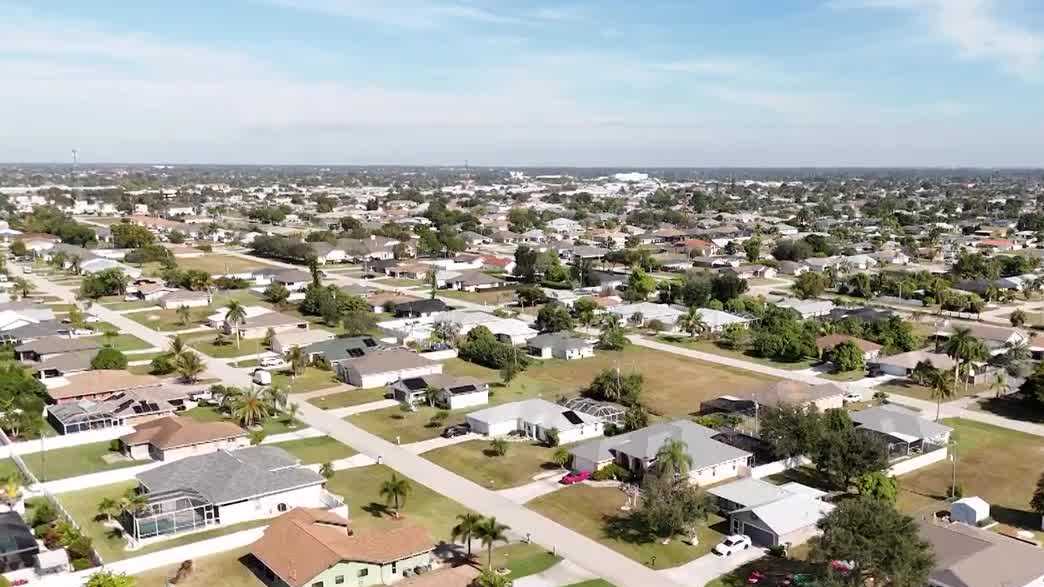
Commercial real estate construction site

Commercial real estate is shifting again — and this time, in ways that may heavily favor private investors. According to JLL’s newly released 2025 Guide: The State of Commercial Real Estate – Private Investor, opportunities are emerging across multiple asset classes as liquidity returns and market confidence stabilizes.

The commercial real estate (CRE) market saw global transaction volumes for properties valued between $5–30 million climb to $218.6 billion in 2024 — up from $207 billion the previous year. This rebound signals a healthier, more strategic investment climate where smaller, targeted acquisitions are outperforming institutional megadeals.

Where Private Investors Are Finding Value

Assets priced under $50 million are showing particular resilience. Multifamily properties, industrial warehouses, medical offices, undeveloped land, self‑storage, and even select retail spaces continue to draw significant interest. Offices remain the most nuanced category, though specific high‑quality, amenity-rich properties are emerging as winners.

Looking ahead, liquidity is expected to improve substantially through 2025 as lenders re‑enter the commercial mortgage arena with more confidence. While high interest rates kept some institutions on the sidelines in 2024, private investors were able to seize attractive discounts — and those who act early in 2025 may lock in first‑mover advantages before competition intensifies.

The Supply Crunch That’s Fueling Demand

New development delays and elevated construction costs are limiting available inventory. This mismatch is creating heightened competition for well‑located, top‑tier assets. Meanwhile, interest rate stability is helping to strengthen debt performance and boost buyer demand.

CRE Still Outperforms Globally

One of the standout insights from JLL’s analysis: U.S. private real estate delivered 11.19% annualized returns from 2013–2023 — outperforming Europe (9.40%) and Asia-Pacific (7.98%). CRE continues to serve as a proven inflation hedge, offering investors predictable income streams and dependable long‑term appreciation.

Sector-by-Sector: What’s Heating Up

Multifamily remains dominant thanks to ongoing urbanization and population growth. Global multifamily sales jumped from $162.9 billion in 2023 to $188.1 billion in 2024, with the U.S. accounting for a massive $132 billion.

Retail is experiencing a surprising resurgence. Grocery‑anchored centers and major high‑street locations are seeing rent growth and stronger foot traffic. Private investors drove 71% of all U.S. retail CRE deals in 2024 — especially in Sun Belt markets such as Texas and Florida.

Industrial & warehouse properties face pressures from inflation and tariffs, yet liquidity remains strong. Global industrial sales climbed to $166 billion in 2024, supported by long‑term demands tied to e‑commerce, nearshoring, and greener, energy‑efficient facilities.

Office continues to be the most complex asset class. While U.S. sales for mid‑tier office buildings dropped to $17 billion in 2024, global volumes rose 13% to $147.9 billion. Japan and Australia are seeing powerful leasing activity, and tenants worldwide are prioritizing amenities, prime locations, and workspace quality.

What Smart Investors Should Do Next

JLL’s report emphasizes swift, informed action. As liquidity improves and institutional players return, private investors who move early can potentially secure better pricing and stronger long‑term positions. Strategic diversification and careful risk assessment remain essential — and working directly with experts can help investors navigate uncertainties and capitalize on the most promising segments of the 2025 and 2026 market cycle.

For those looking to sharpen their understanding of commercial markets or pursue new professional opportunities in real estate, mortgage, insurance, or related fields, Cameron Academy provides accessible licensing courses and advanced education designed for both rising and seasoned professionals. In a rapidly shifting CRE environment, staying educated isn’t just beneficial — it’s a competitive advantage.

To explore the original report, visit Crowdfund Insider or view JLL’s full publication via their official release.


More Articles

Getting licensed or staying ahead in your career can be a journey—but it doesn’t have to be overwhelming. Grab your favorite coffee or tea, take a moment to relax, and browse through our articles. Whether you’re just starting out or renewing your expertise, we’ve got tips, insights, and advice to keep you moving forward. Here’s to your success—one sip and one step at a time!

Commercial Real Estate Deal Growth Stalls: What Slowing Momentum Means for 2026

Commercial real estate deal activity dipped in October for the first time since early 2024, signaling a widening disconnect between buyer and seller pricing expectations in a high‑rate environment. While overall sales remain strong—and even above 2024 levels—the sharp slowdown in momentum highlights rising caution across sectors. Multifamily saw a steep 27% drop in volume, hospitality was the lone sector to grow, and institutional buyers are increasingly targeting discounted office assets. With mortgage originations rebounding but lenders staying selective, 2026 will hinge on how quickly the market aligns on pricing and capital costs.

The Four Hidden Ways Financial Advice Creates Real Value

New Vanguard research reveals that the real impact of financial advisors goes far beyond market performance. Investors say the greatest value comes from peace of mind, personalized planning, emotional reassurance, and the time saved by having a trusted expert manage their financial life. The study highlights a major shift in what clients truly want: confidence, clarity, and guidance that aligns with their personal definition of financial success.

Self‑Storage Sales Explode 62% as Investors Pounce on High‑Barrier Markets

U.S. self‑storage deals surged nearly $1.6 billion in Q3 2025, marking a 62% year‑over‑year jump and the sector’s strongest resurgence in years. REITs paid steep premiums to lock down top‑tier, land‑restricted markets, while states like Florida, California, and Georgia led all sales. New York City dominated with record‑high pricing of $526 per square foot, underscoring the asset class’s resilience and the renewed appetite for specialty commercial investments heading into 2026.

Florida Homeowners Get Long‑Awaited Break as Citizens Insurance Announces Major Rate Cuts

Nearly half a million Florida homeowners are finally seeing relief as Citizens Insurance plans to reduce premiums by up to 11%. After years of rising costs and limited coverage options, the insurer’s shrinking policy load and reduced risk are allowing meaningful savings—averaging about $400 per year for most customers. With several private carriers also lowering rates, experts say this could mark the beginning of a long‑needed stabilization in Florida’s insurance and real estate markets.

Colorado’s 2026 Economic Forecast Shows Slow Population Growth but Strong Momentum

Colorado heads into 2026 with steady economic strength despite slowing population growth. The latest forecast from the Leeds School of Business projects 17,500 new jobs, rising incomes, and GDP growth outpacing the national average. Most major industries will expand, even as migration slows and labor shortages persist.

The 2025 Corporate Layoff Wave: How the Job Market Is Reshaping for Modern Professionals

Layoffs across tech, energy, retail, aviation, and education are redefining the 2025 workforce as companies cut costs and accelerate their adoption of AI. Major employers like Amazon, Meta, UPS, and Chevron are restructuring thousands of roles, signaling one of the most significant employment shifts in years. But while traditional positions shrink, demand is rising in fields tied to AI, data, cybersecurity, compliance, and licensed professions. For workers willing to reskill or pivot—especially into areas like real estate, insurance, finance, or other certification‑based careers—new opportunities continue to grow despite the turbulence.