The 2025 Commercial Real Estate Landscape: A Prime Moment for Private Investors to Move
The commercial real estate (CRE) market saw global transaction volumes for properties valued between $5–30 million climb to $218.6 billion in 2024 — up from $207 billion the previous year. This rebound signals a healthier, more strategic investment climate where smaller, targeted acquisitions are outperforming institutional megadeals.
Where Private Investors Are Finding Value
Assets priced under $50 million are showing particular resilience. Multifamily properties, industrial warehouses, medical offices, undeveloped land, self‑storage, and even select retail spaces continue to draw significant interest. Offices remain the most nuanced category, though specific high‑quality, amenity-rich properties are emerging as winners.
Looking ahead, liquidity is expected to improve substantially through 2025 as lenders re‑enter the commercial mortgage arena with more confidence. While high interest rates kept some institutions on the sidelines in 2024, private investors were able to seize attractive discounts — and those who act early in 2025 may lock in first‑mover advantages before competition intensifies.
The Supply Crunch That’s Fueling Demand
New development delays and elevated construction costs are limiting available inventory. This mismatch is creating heightened competition for well‑located, top‑tier assets. Meanwhile, interest rate stability is helping to strengthen debt performance and boost buyer demand.
CRE Still Outperforms Globally
One of the standout insights from JLL’s analysis: U.S. private real estate delivered 11.19% annualized returns from 2013–2023 — outperforming Europe (9.40%) and Asia-Pacific (7.98%). CRE continues to serve as a proven inflation hedge, offering investors predictable income streams and dependable long‑term appreciation.
Sector-by-Sector: What’s Heating Up
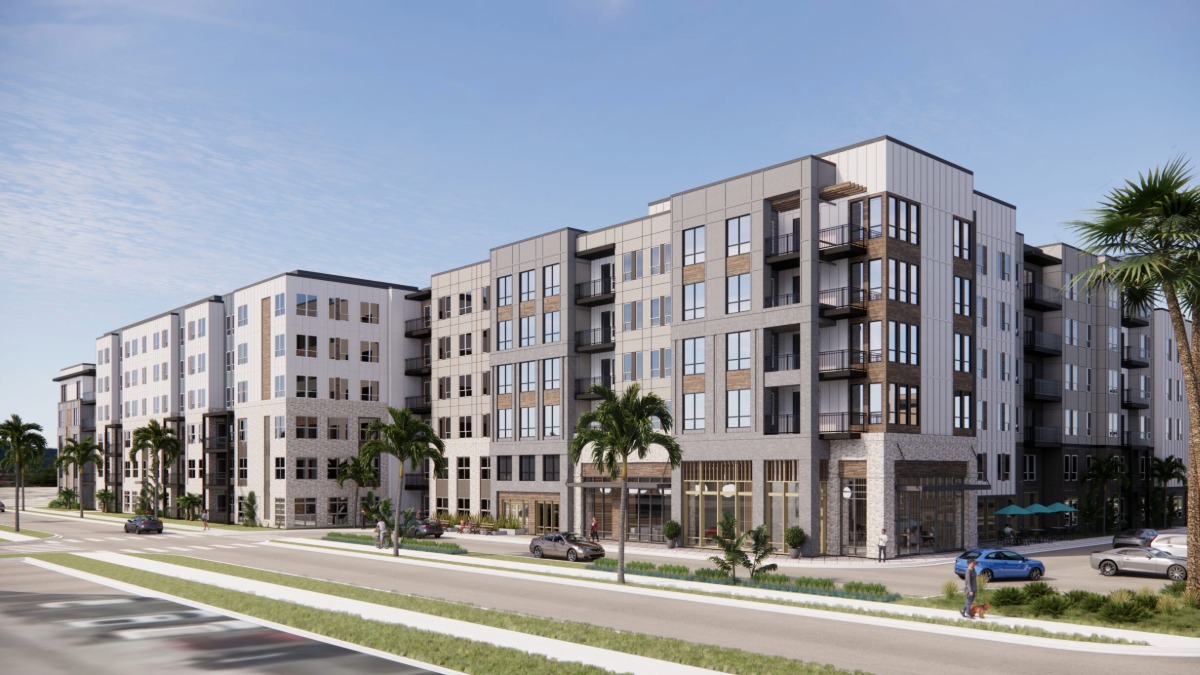
Multifamily remains dominant thanks to ongoing urbanization and population growth. Global multifamily sales jumped from $162.9 billion in 2023 to $188.1 billion in 2024, with the U.S. accounting for a massive $132 billion.
Retail is experiencing a surprising resurgence. Grocery‑anchored centers and major high‑street locations are seeing rent growth and stronger foot traffic. Private investors drove 71% of all U.S. retail CRE deals in 2024 — especially in Sun Belt markets such as Texas and Florida.
Industrial & warehouse properties face pressures from inflation and tariffs, yet liquidity remains strong. Global industrial sales climbed to $166 billion in 2024, supported by long‑term demands tied to e‑commerce, nearshoring, and greener, energy‑efficient facilities.
Office continues to be the most complex asset class. While U.S. sales for mid‑tier office buildings dropped to $17 billion in 2024, global volumes rose 13% to $147.9 billion. Japan and Australia are seeing powerful leasing activity, and tenants worldwide are prioritizing amenities, prime locations, and workspace quality.
What Smart Investors Should Do Next
JLL’s report emphasizes swift, informed action. As liquidity improves and institutional players return, private investors who move early can potentially secure better pricing and stronger long‑term positions. Strategic diversification and careful risk assessment remain essential — and working directly with experts can help investors navigate uncertainties and capitalize on the most promising segments of the 2025 and 2026 market cycle.
For those looking to sharpen their understanding of commercial markets or pursue new professional opportunities in real estate, mortgage, insurance, or related fields, Cameron Academy provides accessible licensing courses and advanced education designed for both rising and seasoned professionals. In a rapidly shifting CRE environment, staying educated isn’t just beneficial — it’s a competitive advantage.
To explore the original report, visit Crowdfund Insider or view JLL’s full publication via their official release.