The 2025 Commercial Real Estate Landscape: A Prime Moment for Private Investors to Move

Commercial real estate construction site

Commercial real estate is shifting again — and this time, in ways that may heavily favor private investors. According to JLL’s newly released 2025 Guide: The State of Commercial Real Estate – Private Investor, opportunities are emerging across multiple asset classes as liquidity returns and market confidence stabilizes.

The commercial real estate (CRE) market saw global transaction volumes for properties valued between $5–30 million climb to $218.6 billion in 2024 — up from $207 billion the previous year. This rebound signals a healthier, more strategic investment climate where smaller, targeted acquisitions are outperforming institutional megadeals.

Where Private Investors Are Finding Value

Assets priced under $50 million are showing particular resilience. Multifamily properties, industrial warehouses, medical offices, undeveloped land, self‑storage, and even select retail spaces continue to draw significant interest. Offices remain the most nuanced category, though specific high‑quality, amenity-rich properties are emerging as winners.

Looking ahead, liquidity is expected to improve substantially through 2025 as lenders re‑enter the commercial mortgage arena with more confidence. While high interest rates kept some institutions on the sidelines in 2024, private investors were able to seize attractive discounts — and those who act early in 2025 may lock in first‑mover advantages before competition intensifies.

The Supply Crunch That’s Fueling Demand

New development delays and elevated construction costs are limiting available inventory. This mismatch is creating heightened competition for well‑located, top‑tier assets. Meanwhile, interest rate stability is helping to strengthen debt performance and boost buyer demand.

CRE Still Outperforms Globally

One of the standout insights from JLL’s analysis: U.S. private real estate delivered 11.19% annualized returns from 2013–2023 — outperforming Europe (9.40%) and Asia-Pacific (7.98%). CRE continues to serve as a proven inflation hedge, offering investors predictable income streams and dependable long‑term appreciation.

Sector-by-Sector: What’s Heating Up

Multifamily remains dominant thanks to ongoing urbanization and population growth. Global multifamily sales jumped from $162.9 billion in 2023 to $188.1 billion in 2024, with the U.S. accounting for a massive $132 billion.

Retail is experiencing a surprising resurgence. Grocery‑anchored centers and major high‑street locations are seeing rent growth and stronger foot traffic. Private investors drove 71% of all U.S. retail CRE deals in 2024 — especially in Sun Belt markets such as Texas and Florida.

Industrial & warehouse properties face pressures from inflation and tariffs, yet liquidity remains strong. Global industrial sales climbed to $166 billion in 2024, supported by long‑term demands tied to e‑commerce, nearshoring, and greener, energy‑efficient facilities.

Office continues to be the most complex asset class. While U.S. sales for mid‑tier office buildings dropped to $17 billion in 2024, global volumes rose 13% to $147.9 billion. Japan and Australia are seeing powerful leasing activity, and tenants worldwide are prioritizing amenities, prime locations, and workspace quality.

What Smart Investors Should Do Next

JLL’s report emphasizes swift, informed action. As liquidity improves and institutional players return, private investors who move early can potentially secure better pricing and stronger long‑term positions. Strategic diversification and careful risk assessment remain essential — and working directly with experts can help investors navigate uncertainties and capitalize on the most promising segments of the 2025 and 2026 market cycle.

For those looking to sharpen their understanding of commercial markets or pursue new professional opportunities in real estate, mortgage, insurance, or related fields, Cameron Academy provides accessible licensing courses and advanced education designed for both rising and seasoned professionals. In a rapidly shifting CRE environment, staying educated isn’t just beneficial — it’s a competitive advantage.

To explore the original report, visit Crowdfund Insider or view JLL’s full publication via their official release.


More Articles

Getting licensed or staying ahead in your career can be a journey—but it doesn’t have to be overwhelming. Grab your favorite coffee or tea, take a moment to relax, and browse through our articles. Whether you’re just starting out or renewing your expertise, we’ve got tips, insights, and advice to keep you moving forward. Here’s to your success—one sip and one step at a time!

Malware Trends 2025: The New Era of Subscription‑Based Cybercrime

Cybercrime in 2025 has evolved into a full‑scale service economy, with malware now available through subscription platforms that operate like mainstream tech businesses. Bitsight’s latest analysis reveals explosive growth in Malware‑as‑a‑Service tools, rising attacks across industries like healthcare, finance, tech, and real estate, and a surge in cross‑platform malware and supply‑chain exploits. For professionals in any licensed field, the message is clear: today’s digital landscape demands heightened vigilance, stronger identity security, and proactive defense against an increasingly organized underground threat environment.

The Proptech Revolution: How Gllit Is Making Real Estate Transactions as Simple as Booking a Flight

A new proptech startup in the UAE, Gllit is redefining how property deals happen by removing agents, eliminating commissions, and integrating AI tools that let users create professional listings in seconds. With a fast, transparent, and direct-to-owner model, Gllit offers a glimpse into the future of global real estate — and a powerful case study for U.S. professionals preparing for tech-driven changes in the industry.

2026 Housing Market Outlook: What Buyers, Renters, and Agents Need to Know

The 2026 housing market is shaping up to be a year of stability with a few surprises. Mortgage rates are expected to hold steady, home price growth is slowing, and yet ownership costs continue to rise due to soaring taxes and insurance. Meanwhile, renting is becoming more attractive as affordability improves and built‑to‑rent communities expand. This breakdown highlights the biggest trends ahead — and what they mean for buyers, sellers, and real estate professionals, especially in Florida.

Florida Homeowners Slammed by Soaring Insurance Costs as Lawmakers Push for Major Reform

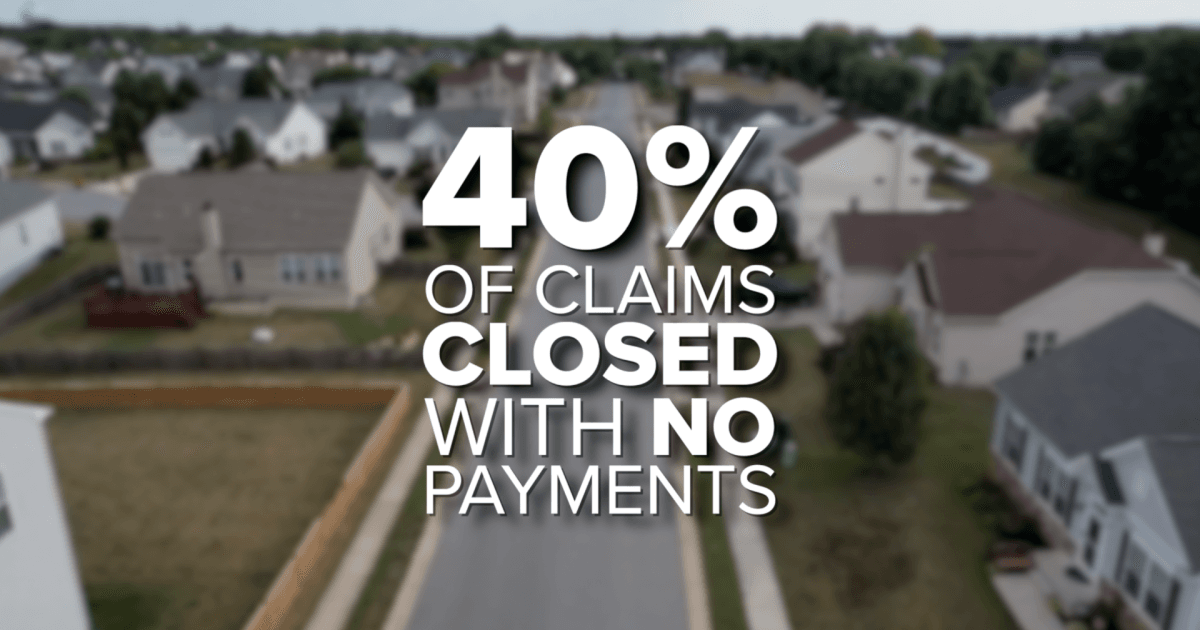
Florida homeowners are facing some of the highest insurance premiums in the nation, with average costs now topping $5,800 per year—about $3,000 above the U.S. average. Many residents report their rates have doubled or even tripled, while more than 40 percent of claims are closed with no payment. As frustration grows, state lawmakers and consumer advocates are pushing for transparency, rate caps, and incentives to help storm‑proof homes. The outcome of these reform efforts could reshape Florida’s real estate market, insurance landscape, and affordability for years to come.

Are Insurance Leaders Stuck in Silos? New Global Study Exposes a Hidden Weakness in Decision‑Making

A new global study from Risk.net and SAS reveals that many insurance companies are still making key decisions in isolated silos, despite industry-wide pushes toward data-driven strategies. While most leaders claim to have a clear vision, 38 percent admit they lack a real-time view of risks, revenue and costs. With poor data quality, limited collaboration and outdated processes holding teams back, experts say the industry is poised for a major transformation through AI, analytics and unified strategy—offering lessons for professionals across insurance, real estate, finance and other regulated fields.

Atlanta Housing Market Outlook 2025–2026: Stability, Rising Inventory, and What It Means for You

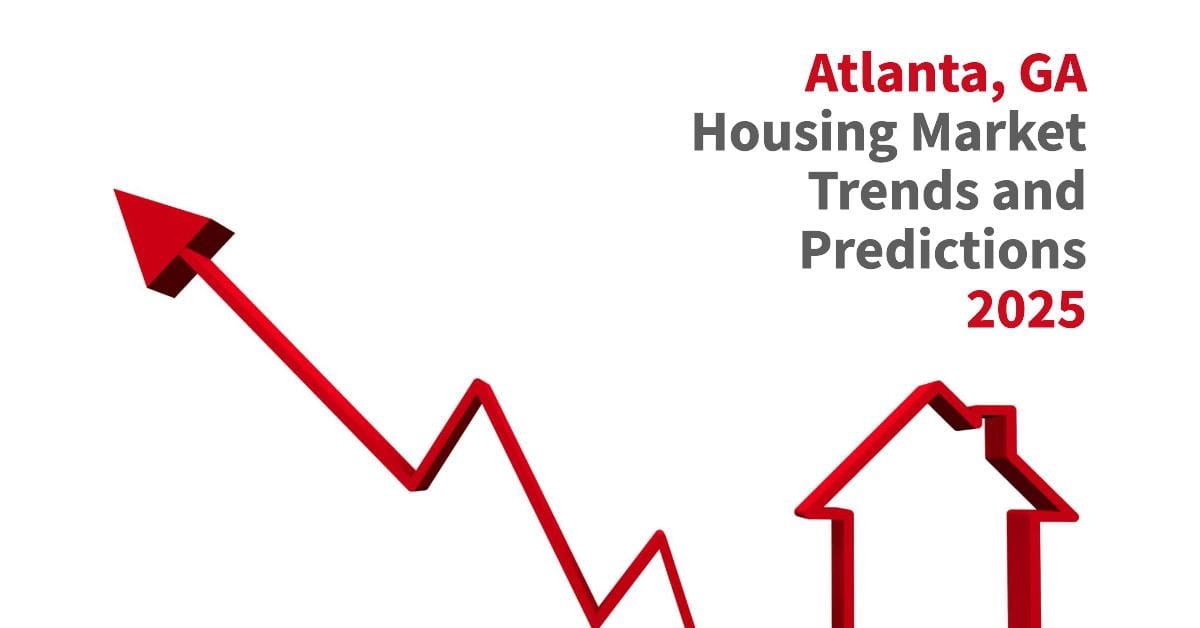
Atlanta’s housing market is shifting into a more balanced and predictable phase. Prices have leveled off, inventory has finally caught up, and mortgage rates are easing enough to bring buyers back into the game. With steady demand, growing listings, and only mild price corrections forecasted into 2026, Atlanta remains one of the Southeast’s strongest real estate markets for buyers, sellers, and investors alike.