The 2025 Corporate Layoff Wave: What It Means for Today’s Professionals

Passengers boarding airplane

Across every major industry in the United States, layoffs are reshaping the professional landscape of 2025. From Big Tech to aviation, energy, education, and retail, companies are recalibrating their teams in response to rising costs, new technologies, volatile global markets, and the rapid acceleration of artificial intelligence.

This year’s job reductions touch industry giants such as Amazon, Verizon, Meta, Starbucks, UPS, and ConocoPhillips, marking one of the most widespread restructuring waves since the early 2020s. According to Business Insider, which has closely documented these changes, thousands of positions—from executives to engineers—are being reshaped, relocated, or eliminated entirely.

Why It’s Happening: Technology, Cost Cutting, and the AI Acceleration

Many companies point to a shared catalyst: rapid technological evolution. Artificial intelligence has become a dominant force enabling unprecedented efficiency—while simultaneously creating redundancy in traditional roles. A World Economic Forum survey reveals that 41% of companies expect workforce reductions in the next five years as automation and generative AI continue to expand.

Here’s the positive twist: roles in AI, cybersecurity, data science, fintech, and advanced manufacturing are projected to grow—some even doubling—by 2030. The job market isn’t shrinking. It’s transforming.

Industries Feeling the Impact

Unsurprisingly, the tech world remains the most visible epicenter. Companies like Meta, Microsoft, Amazon, Oracle, and Salesforce have undergone significant team reductions. Meanwhile, the energy sector—including BP, Chevron, Exxon, and others—continues restructuring as markets fluctuate and mergers reshape organizational needs.

Retail giants such as Nike, Burberry, Best Buy, Carter’s, and Kohl’s are also optimizing operations, while aviation staples like American Airlines and Southwest, along with aerospace leaders like Boeing and Blue Origin, adjust staffing to maintain competitiveness.

Even education and nonprofit institutions are affected. Johns Hopkins University, for instance, faces one of its largest layoff rounds in history after major cuts to federal program funding.

What This Means for Your Career

Though the headlines can feel daunting, they carry an important message: flexibility is becoming a superpower in today’s career landscape. Professionals who stay proactive—upgrading skills, adding licensure, and pursuing specialized training—will stay competitive in this new economy.

Considering a pivot into real estate, insurance, mortgage, medical administration, or other licensed fields? Cameron Academy provides flexible, career-focused programs designed to help professionals not just survive but thrive in a shifting job market.

Navigating an Uncertain Market With Confidence

While layoffs dominate national headlines, they do not define your professional trajectory. Economic shifts often inspire career pivots, credential upgrades, and transitions into more stable or lucrative fields. Licensed professions—such as real estate, insurance, and financial services—continue attracting individuals seeking independence, growth potential, and long-term resilience.

To explore the full list of companies affected in 2025 and access deeper reporting, check out the original Business Insider coverage that inspired this article.

As the workforce evolves, your greatest strengths remain adaptability and knowledge. And whether you’re stepping into a new industry or elevating your current one, Cameron Academy is here to support your next move.


More Articles

Getting licensed or staying ahead in your career can be a journey—but it doesn’t have to be overwhelming. Grab your favorite coffee or tea, take a moment to relax, and browse through our articles. Whether you’re just starting out or renewing your expertise, we’ve got tips, insights, and advice to keep you moving forward. Here’s to your success—one sip and one step at a time!

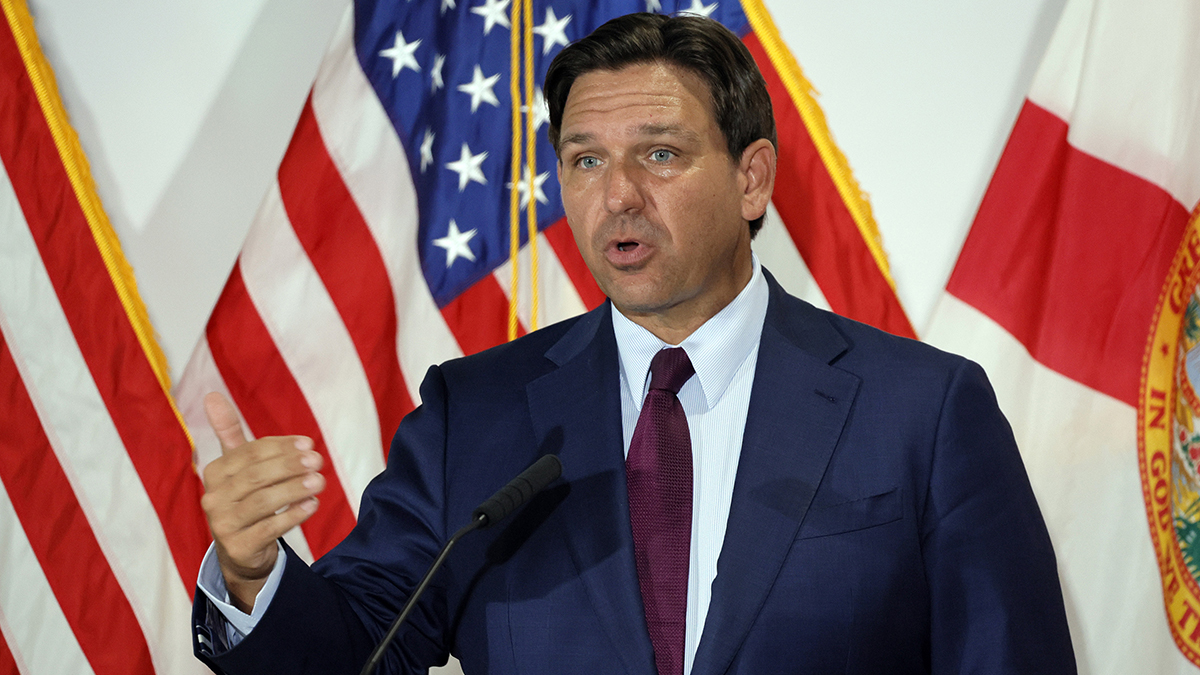
Florida Homeowners Finally Get Relief as Gov. DeSantis Announces Significant Insurance Premium Cuts

Florida homeowners — especially in hard‑hit South Florida — are set to see rare and substantial reductions in their property insurance premiums. Gov. Ron DeSantis announced an average statewide Citizens Insurance decrease of 8.7%, with even larger savings of up to 14% in counties like Miami-Dade, Broward, and Palm Beach. State officials credit recent legal and regulatory reforms for stabilizing the market, attracting new insurers, and delivering the first meaningful rate relief Floridians have seen in years.

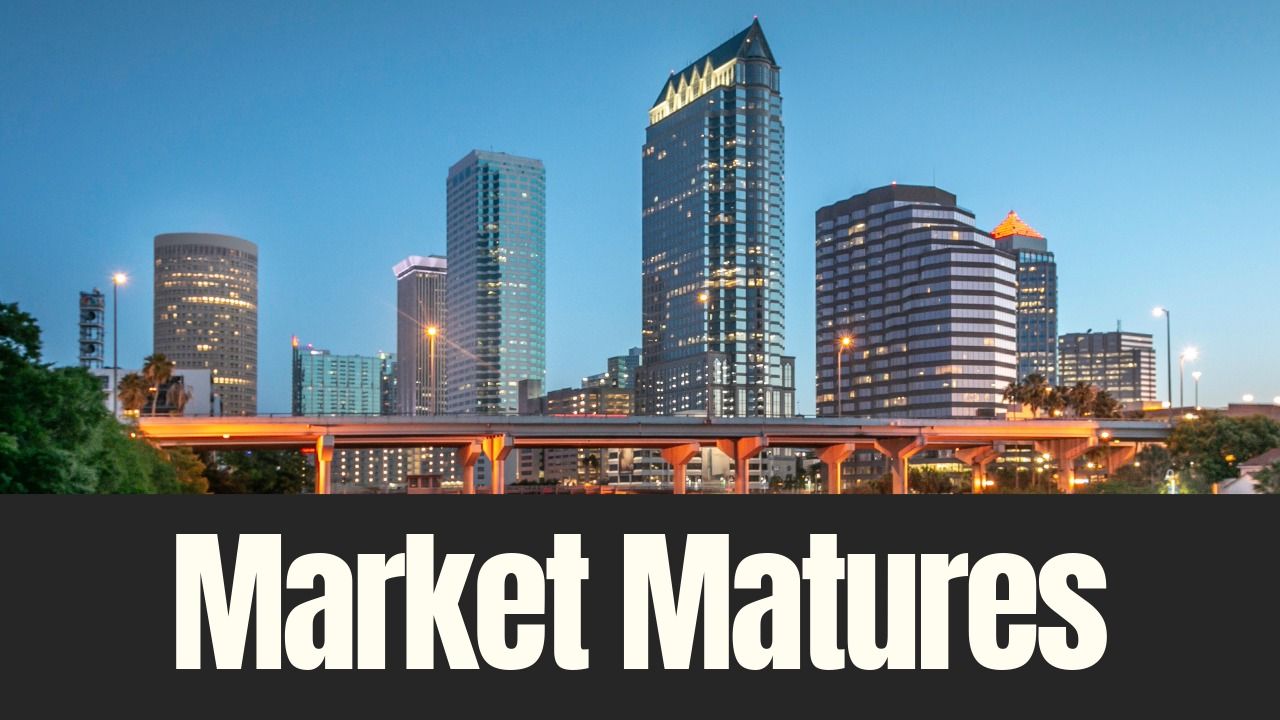
Tampa’s Real Estate Market Enters a Smarter, More Selective Growth Phase

Tampa’s commercial real estate market isn’t slowing—it’s maturing. With strong population growth, rising office demand, a normalized industrial sector, resurgent retail, and an emerging health‑care real estate boom, investors are shifting from speed to strategy. Tighter underwriting, cautious capital and increased due‑diligence are shaping a more disciplined market, creating new opportunities for informed professionals.

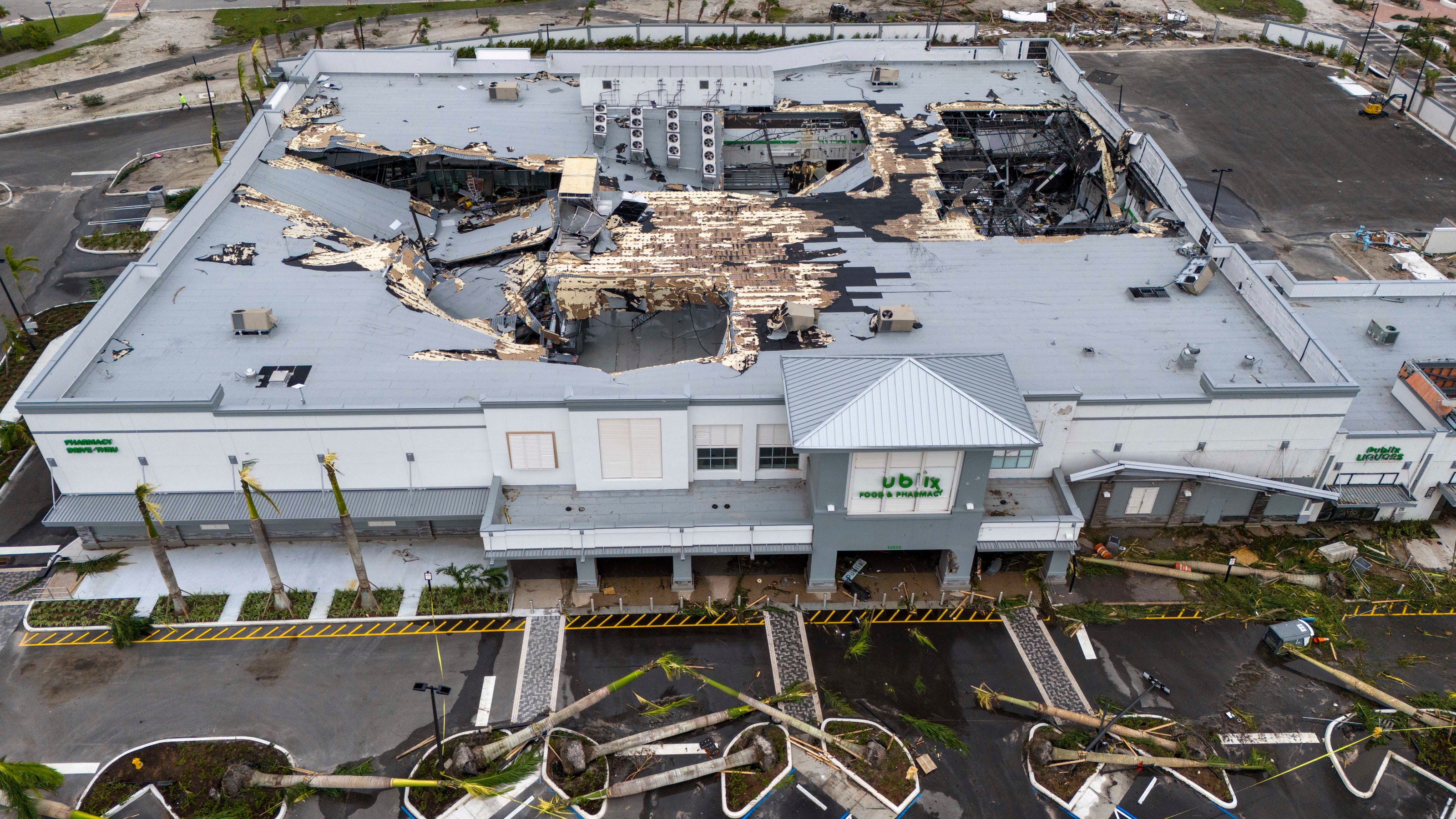
Florida Slashes Home Insurance Rates: Biggest Drop in a Decade Sends Shockwaves Through the Market

Florida homeowners are finally seeing relief as Citizens Property Insurance announces a major 8.7% average rate decrease—far larger than originally proposed. Driven by legislative reforms, fewer lawsuits, and a calm hurricane season, the state’s once‑unstable insurance market is showing real signs of recovery. But with reduced coverage limits and shifting legal protections, experts warn that lower premiums may come with hidden trade‑offs.

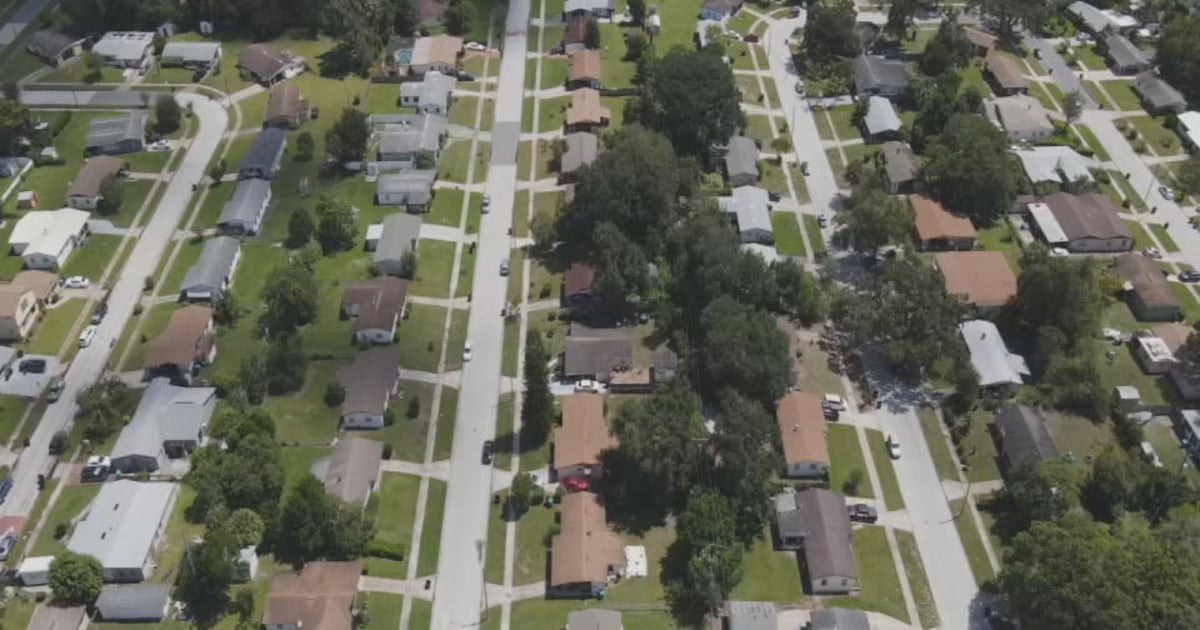
Florida Homeowners Finally Get Insurance Relief After Years of Soaring Premiums

After a decade of rising premiums and retreating carriers, Florida homeowners are finally seeing long‑awaited relief. Dozens of insurers have filed for rate decreases—some as high as 11%—thanks to legislative reforms and a stabilizing market. Early approvals are already hitting counties across the state, and experts say the momentum could boost buyer confidence, affordability, and competition throughout Florida’s real estate and insurance sectors.

Self‑Storage Investing in 2026: A Market Thaw Opens the Door to Big Opportunities

After years of slowed activity caused by rising interest rates, the self‑storage industry is heating up again. New data from Marcus & Millichap shows a fresh market cycle emerging, driven by renewed buyer confidence, recalibrated pricing, and stronger lender participation. Acquisitions are rebounding, development is resetting in a healthier direction, and financing conditions are improving—creating one of the most promising investment landscapes the sector has seen in years.

Brookline’s Real Flood Risk: What FEMA’s New Maps Reveal—and What They Miss

Brookline’s newly updated FEMA flood maps identify 97 high‑risk parcels, but local experts warn the true threat is far greater. While FEMA highlights river‑based flooding around Leverett Pond and the Muddy River, alternative models show more than 1,300 Brookline properties at risk within 30 years. Hidden vulnerabilities along major corridors like Beacon Street, rising rainfall intensity, aging infrastructure, and climate‑driven storm patterns suggest that many “low‑risk” areas may be anything but safe.