As New Jersey prepares for the 2025 gubernatorial election, the political landscape is bustling with a diverse array of candidates vying for the state’s highest office. The current governor, Phil Murphy, has reached the end of his term limits, setting the stage for a new leader to emerge. With the primary election scheduled for June 10, 2025, and the general election on November 4, 2025, the race is heating up with candidates from both major parties and several independents.


Democratic Candidates

  • Ras Baraka, the current mayor of Newark, is known for his commitment to fighting for working-class citizens. He aims to “reimagine New Jersey” by implementing policies that promote social equity. More about his campaign can be found on his campaign website.
  • Steven Fulop, mayor of Jersey City, brings his experience from politics and finance to the table. Fulop is focused on actionable proposals for real change, detailed on his campaign page.
  • Josh Gottheimer, a congressman from Tenafly, is running on a platform of reducing taxes and costs. His vision for affordability is outlined on his campaign site.
  • Mikie Sherrill, a congresswoman from Montclair, emphasizes affordability and opportunity. Her campaign details are available here.
  • Sean Spiller, president of the New Jersey Education Association, focuses on making New Jersey more affordable for families. Learn more about his campaign here.
  • Steve Sweeney, former state senate president, is determined to “fix” New Jersey with his insider knowledge. His campaign details are available on his website.

Republican Candidates

  • Justin Barbera, a contractor from Burlington County, is a longshot candidate who has secured enough signatures to appear on the ballot. His candidacy was highlighted in the New Jersey Globe.
  • Jon Bramnick, a state senator from Westfield, is running on government efficiency. His plans are detailed on his campaign website.
  • Jack Ciattarelli, a former assemblyman, emphasizes his deep roots in New Jersey. His campaign can be explored here.
  • Bill Spadea, a radio talk show host from Princeton, positions himself as an outsider challenging the status quo. His campaign details are available online.
  • Mario Kranjac, former mayor of Englewood Cliffs, focuses on lowering taxes and enhancing government transparency. More information is available on his campaign site.

Independent and Write-In Candidates

  • Roger Bacon, a Navy veteran from Phillipsburg, is running as a perennial candidate. His campaign can be found here.
  • Monica Brinson, a former substitute teacher, is the first black woman in the U.S. to run for governor. Her grassroots campaign is detailed here.
  • Robert Canfield, a real estate broker from Brick, focuses on education and Second Amendment rights. Learn more on his campaign site.
  • Stephen Zielinski, a member of the Green Party, aims to implement meaningful reforms. His campaign can be explored here.

The original article from Hoboken Girl provides an in-depth look at each candidate’s background and political stance, offering voters a comprehensive guide as they prepare to make their choice in the upcoming election.


New jersey election 2025

More Articles

Getting licensed or staying ahead in your career can be a journey—but it doesn’t have to be overwhelming. Grab your favorite coffee or tea, take a moment to relax, and browse through our articles. Whether you’re just starting out or renewing your expertise, we’ve got tips, insights, and advice to keep you moving forward. Here’s to your success—one sip and one step at a time!

Florida Homeowners Finally Get Relief as Gov. DeSantis Announces Significant Insurance Premium Cuts

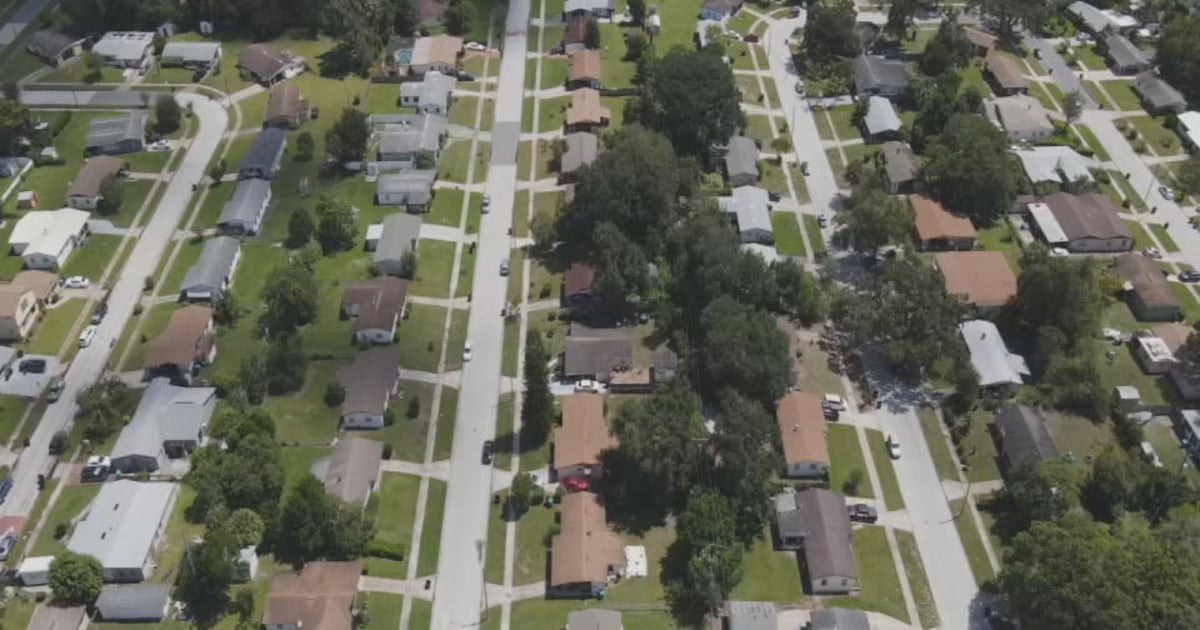
Florida homeowners — especially in hard‑hit South Florida — are set to see rare and substantial reductions in their property insurance premiums. Gov. Ron DeSantis announced an average statewide Citizens Insurance decrease of 8.7%, with even larger savings of up to 14% in counties like Miami-Dade, Broward, and Palm Beach. State officials credit recent legal and regulatory reforms for stabilizing the market, attracting new insurers, and delivering the first meaningful rate relief Floridians have seen in years.


Tampa’s Real Estate Market Enters a Smarter, More Selective Growth Phase

Tampa’s commercial real estate market isn’t slowing—it’s maturing. With strong population growth, rising office demand, a normalized industrial sector, resurgent retail, and an emerging health‑care real estate boom, investors are shifting from speed to strategy. Tighter underwriting, cautious capital and increased due‑diligence are shaping a more disciplined market, creating new opportunities for informed professionals.

Florida Slashes Home Insurance Rates: Biggest Drop in a Decade Sends Shockwaves Through the Market

Florida homeowners are finally seeing relief as Citizens Property Insurance announces a major 8.7% average rate decrease—far larger than originally proposed. Driven by legislative reforms, fewer lawsuits, and a calm hurricane season, the state’s once‑unstable insurance market is showing real signs of recovery. But with reduced coverage limits and shifting legal protections, experts warn that lower premiums may come with hidden trade‑offs.

Florida Homeowners Finally Get Insurance Relief After Years of Soaring Premiums

After a decade of rising premiums and retreating carriers, Florida homeowners are finally seeing long‑awaited relief. Dozens of insurers have filed for rate decreases—some as high as 11%—thanks to legislative reforms and a stabilizing market. Early approvals are already hitting counties across the state, and experts say the momentum could boost buyer confidence, affordability, and competition throughout Florida’s real estate and insurance sectors.

Self‑Storage Investing in 2026: A Market Thaw Opens the Door to Big Opportunities

After years of slowed activity caused by rising interest rates, the self‑storage industry is heating up again. New data from Marcus & Millichap shows a fresh market cycle emerging, driven by renewed buyer confidence, recalibrated pricing, and stronger lender participation. Acquisitions are rebounding, development is resetting in a healthier direction, and financing conditions are improving—creating one of the most promising investment landscapes the sector has seen in years.

Brookline’s Real Flood Risk: What FEMA’s New Maps Reveal—and What They Miss

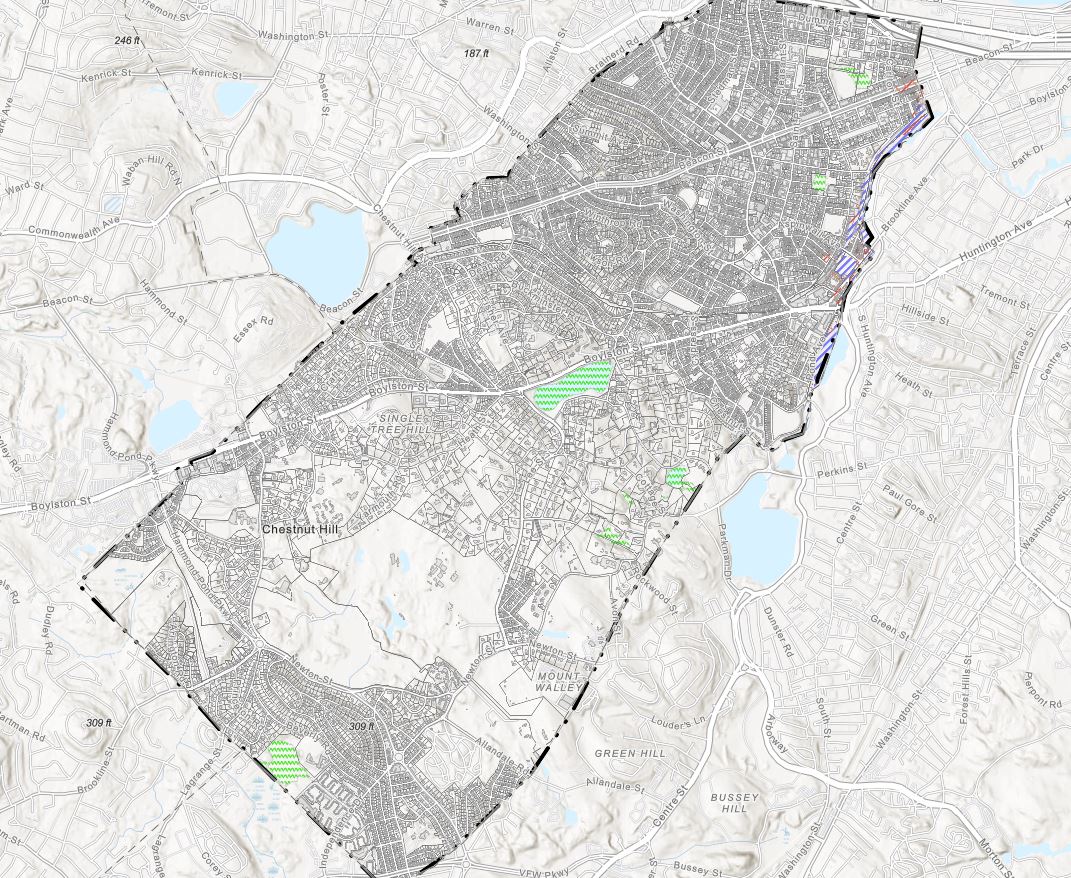
Brookline’s newly updated FEMA flood maps identify 97 high‑risk parcels, but local experts warn the true threat is far greater. While FEMA highlights river‑based flooding around Leverett Pond and the Muddy River, alternative models show more than 1,300 Brookline properties at risk within 30 years. Hidden vulnerabilities along major corridors like Beacon Street, rising rainfall intensity, aging infrastructure, and climate‑driven storm patterns suggest that many “low‑risk” areas may be anything but safe.