As New Jersey prepares for the 2025 gubernatorial election, the political landscape is bustling with a diverse array of candidates vying for the state’s highest office. The current governor, Phil Murphy, has reached the end of his term limits, setting the stage for a new leader to emerge. With the primary election scheduled for June 10, 2025, and the general election on November 4, 2025, the race is heating up with candidates from both major parties and several independents.


Democratic Candidates

  • Ras Baraka, the current mayor of Newark, is known for his commitment to fighting for working-class citizens. He aims to “reimagine New Jersey” by implementing policies that promote social equity. More about his campaign can be found on his campaign website.
  • Steven Fulop, mayor of Jersey City, brings his experience from politics and finance to the table. Fulop is focused on actionable proposals for real change, detailed on his campaign page.
  • Josh Gottheimer, a congressman from Tenafly, is running on a platform of reducing taxes and costs. His vision for affordability is outlined on his campaign site.
  • Mikie Sherrill, a congresswoman from Montclair, emphasizes affordability and opportunity. Her campaign details are available here.
  • Sean Spiller, president of the New Jersey Education Association, focuses on making New Jersey more affordable for families. Learn more about his campaign here.
  • Steve Sweeney, former state senate president, is determined to “fix” New Jersey with his insider knowledge. His campaign details are available on his website.

Republican Candidates

  • Justin Barbera, a contractor from Burlington County, is a longshot candidate who has secured enough signatures to appear on the ballot. His candidacy was highlighted in the New Jersey Globe.
  • Jon Bramnick, a state senator from Westfield, is running on government efficiency. His plans are detailed on his campaign website.
  • Jack Ciattarelli, a former assemblyman, emphasizes his deep roots in New Jersey. His campaign can be explored here.
  • Bill Spadea, a radio talk show host from Princeton, positions himself as an outsider challenging the status quo. His campaign details are available online.
  • Mario Kranjac, former mayor of Englewood Cliffs, focuses on lowering taxes and enhancing government transparency. More information is available on his campaign site.

Independent and Write-In Candidates

  • Roger Bacon, a Navy veteran from Phillipsburg, is running as a perennial candidate. His campaign can be found here.
  • Monica Brinson, a former substitute teacher, is the first black woman in the U.S. to run for governor. Her grassroots campaign is detailed here.
  • Robert Canfield, a real estate broker from Brick, focuses on education and Second Amendment rights. Learn more on his campaign site.
  • Stephen Zielinski, a member of the Green Party, aims to implement meaningful reforms. His campaign can be explored here.

The original article from Hoboken Girl provides an in-depth look at each candidate’s background and political stance, offering voters a comprehensive guide as they prepare to make their choice in the upcoming election.


New jersey election 2025

More Articles

Getting licensed or staying ahead in your career can be a journey—but it doesn’t have to be overwhelming. Grab your favorite coffee or tea, take a moment to relax, and browse through our articles. Whether you’re just starting out or renewing your expertise, we’ve got tips, insights, and advice to keep you moving forward. Here’s to your success—one sip and one step at a time!

Florida Home Insurance Rates Expected To Drop in 2026 as Market Finally Stabilizes

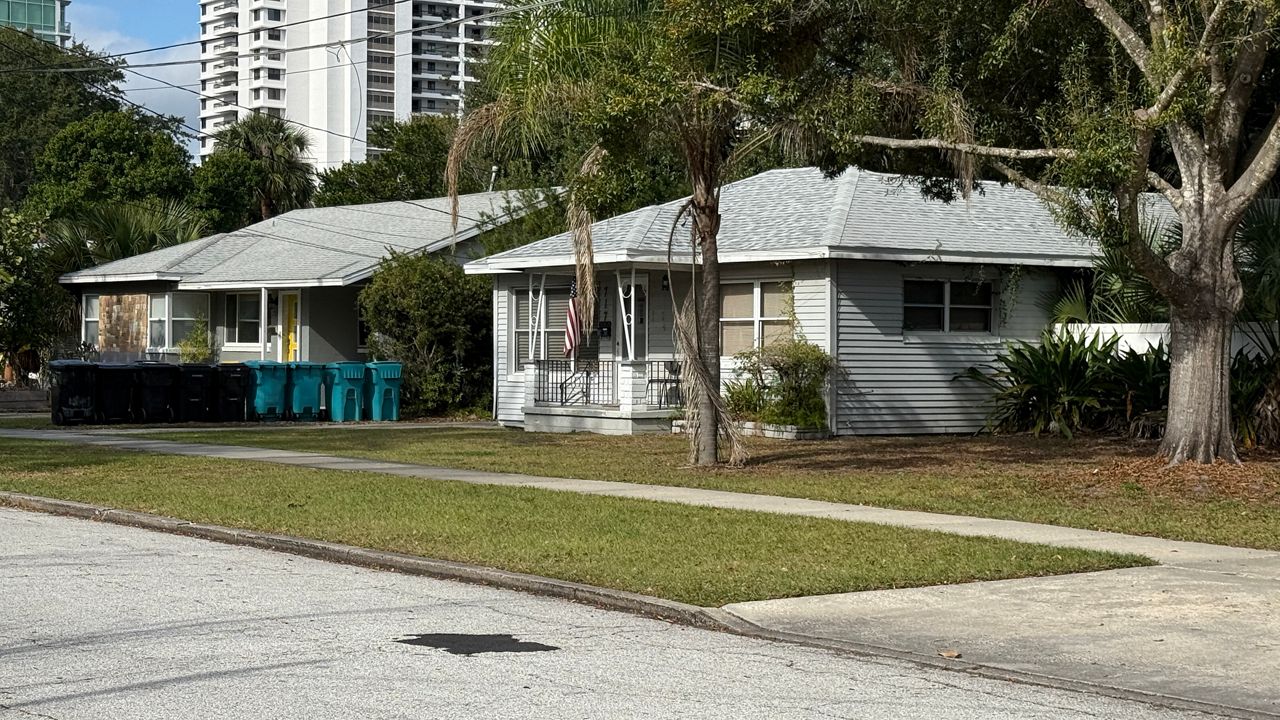
After years of sharp increases and shrinking coverage options, Florida’s home insurance market is showing its strongest signs of recovery yet. Multiple insurers are proposing significant premium cuts for 2026 — some in the double digits — as storm‑loss data improves and private carriers re‑enter the state. Citizens Insurance is also seeking its first broad rate reduction in a decade, potentially lowering costs for millions of homeowners. This shift could boost affordability and confidence across Florida’s real estate and mortgage markets heading into the new year.


The AI Startup Quietly Dominating Fintech: How Salient Hit $500M in Two Years

An AI company that began in a bedroom is now shaking the foundations of the lending industry. Salient, led by CEO Ari Malik, has skyrocketed to a $500 million valuation by fixing one of finance’s messiest problems: debt servicing. With zero customer churn, 100% pilot-to-contract conversions, and AI agents reportedly 30 times more compliant than humans, Salient is redefining how lenders manage loans. Its rapid rise highlights a new era where trust, regulation‑ready AI, and deep industry understanding are becoming essential for professionals across real estate, mortgage, finance, and insurance.

How Redmond’s Prisma Project Is Transforming Affordable Housing Near Transit

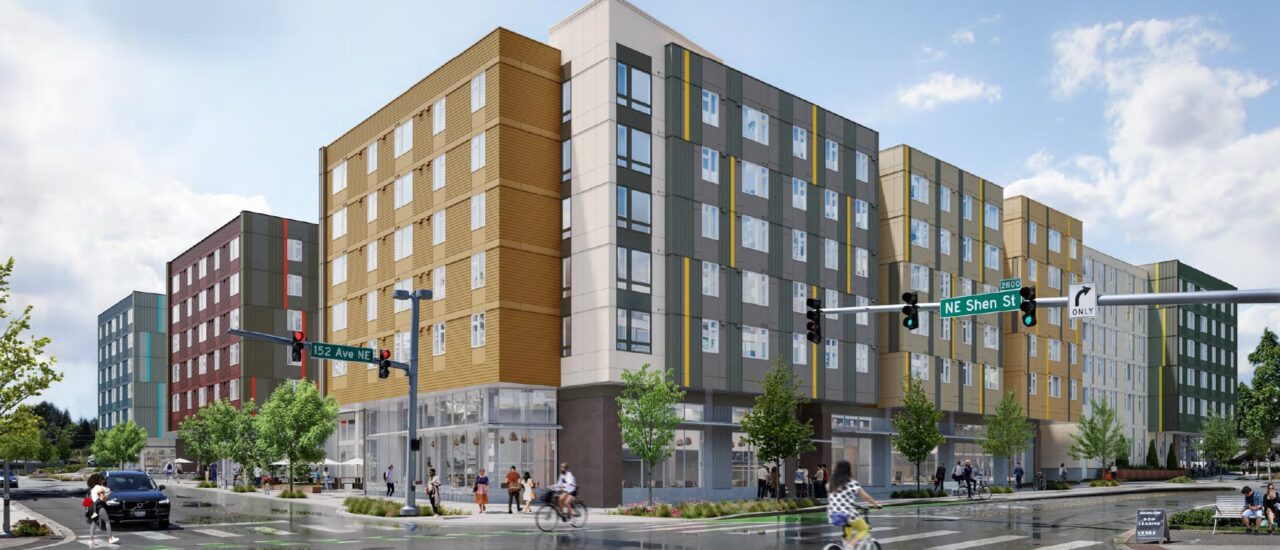
Redmond, Washington is tackling its housing crisis with Prisma, a six‑story, transit‑oriented development built on discounted surplus land from Sound Transit. The project will deliver 328 deeply affordable units—most reserved for households earning 50 percent of AMI or less, including families and people with disabilities. Enabled by a rare cross‑sector funding partnership, Prisma showcases how cities can combine transit investment, public resources, and private support to create long‑term, equitable housing solutions.

Florida’s Citizens Insurance Proposes Rare Rate Cuts for 2026

Citizens Property Insurance Corp. is recommending rate decreases for millions of Florida homeowners in 2026, marking the first potential premium drop in over a decade. If approved by state regulators, personal-line policies would fall an average of 2.6%, with some homeowners seeing reductions up to 11.5%. The shift reflects growing market stability driven by recent insurance reforms and increased private‑sector participation, though not all counties will benefit equally.

Is AI Really Taking Over Finance Jobs? Why Wall Street’s Layoff Panic Is Mostly Hype

Despite alarming headlines, experts say AI isn’t the true driver behind Wall Street job cuts. Major banks like JPMorgan and Goldman Sachs are trimming staff, but economists point to post‑pandemic overhiring and economic uncertainty—not robots—as the real cause. While banks are investing heavily in AI tools, actual AI‑driven layoffs remain minimal. Instead, AI is slowing new hiring, reshaping roles, and pushing professionals across finance, real estate, and other industries to upskill rather than fear replacement.

How AI Is Driving Explosive Proptech Growth in 2025

Artificial intelligence is reshaping the real estate industry in 2025, powering a new surge of growth and maturity in the proptech sector. AI tools once considered experimental—such as predictive analytics, automated valuations, and digital transaction platforms—are now becoming essential to real estate, mortgage, insurance, and finance workflows. With rising investor confidence and widespread professional adoption, AI‑driven proptech is transforming how the industry operates and what skills modern professionals need to stay competitive.