As New Jersey prepares for the 2025 gubernatorial election, the political landscape is bustling with a diverse array of candidates vying for the state’s highest office. The current governor, Phil Murphy, has reached the end of his term limits, setting the stage for a new leader to emerge. With the primary election scheduled for June 10, 2025, and the general election on November 4, 2025, the race is heating up with candidates from both major parties and several independents.


Democratic Candidates

  • Ras Baraka, the current mayor of Newark, is known for his commitment to fighting for working-class citizens. He aims to “reimagine New Jersey” by implementing policies that promote social equity. More about his campaign can be found on his campaign website.
  • Steven Fulop, mayor of Jersey City, brings his experience from politics and finance to the table. Fulop is focused on actionable proposals for real change, detailed on his campaign page.
  • Josh Gottheimer, a congressman from Tenafly, is running on a platform of reducing taxes and costs. His vision for affordability is outlined on his campaign site.
  • Mikie Sherrill, a congresswoman from Montclair, emphasizes affordability and opportunity. Her campaign details are available here.
  • Sean Spiller, president of the New Jersey Education Association, focuses on making New Jersey more affordable for families. Learn more about his campaign here.
  • Steve Sweeney, former state senate president, is determined to “fix” New Jersey with his insider knowledge. His campaign details are available on his website.

Republican Candidates

  • Justin Barbera, a contractor from Burlington County, is a longshot candidate who has secured enough signatures to appear on the ballot. His candidacy was highlighted in the New Jersey Globe.
  • Jon Bramnick, a state senator from Westfield, is running on government efficiency. His plans are detailed on his campaign website.
  • Jack Ciattarelli, a former assemblyman, emphasizes his deep roots in New Jersey. His campaign can be explored here.
  • Bill Spadea, a radio talk show host from Princeton, positions himself as an outsider challenging the status quo. His campaign details are available online.
  • Mario Kranjac, former mayor of Englewood Cliffs, focuses on lowering taxes and enhancing government transparency. More information is available on his campaign site.

Independent and Write-In Candidates

  • Roger Bacon, a Navy veteran from Phillipsburg, is running as a perennial candidate. His campaign can be found here.
  • Monica Brinson, a former substitute teacher, is the first black woman in the U.S. to run for governor. Her grassroots campaign is detailed here.
  • Robert Canfield, a real estate broker from Brick, focuses on education and Second Amendment rights. Learn more on his campaign site.
  • Stephen Zielinski, a member of the Green Party, aims to implement meaningful reforms. His campaign can be explored here.

The original article from Hoboken Girl provides an in-depth look at each candidate’s background and political stance, offering voters a comprehensive guide as they prepare to make their choice in the upcoming election.


New jersey election 2025

More Articles

Getting licensed or staying ahead in your career can be a journey—but it doesn’t have to be overwhelming. Grab your favorite coffee or tea, take a moment to relax, and browse through our articles. Whether you’re just starting out or renewing your expertise, we’ve got tips, insights, and advice to keep you moving forward. Here’s to your success—one sip and one step at a time!

The Rise of Fintech: How Technology Is Reshaping Money and Modern Careers

Fintech has evolved from simple digital banking tools into a global force transforming how we pay, borrow, invest, and manage financial data. With AI, blockchain, and open banking leading the way, fintech is opening new opportunities for consumers, businesses, and professionals across real estate, mortgage, insurance, and finance.


Large CRE Deals Surge in Q3 2025 as Market Confidence Returns

After months of hesitation, the commercial real estate market showed a major resurgence in Q3 2025. Large single‑asset transactions over $10 million jumped to $76 billion — the strongest level since 2022 — signaling renewed liquidity and growing confidence among institutional buyers. While overall volumes remain below peak highs, rising deal counts, stabilizing prices, and increased activity across industrial, multifamily, office, and retail sectors point toward a market steadily moving back toward normalization.

California’s Insurance Crisis: Politics, Wildfires, and a System on the Brink

California’s property insurance market didn’t collapse overnight—it unraveled over years of political delays, soaring wildfire losses, and mounting pressure on insurers and reinsurers. As major carriers pulled out and rate approvals stalled, millions of homeowners were left scrambling for coverage under an overwhelmed FAIR Plan. At the center of the controversy stands Insurance Commissioner Ricardo Lara, whose decisions, industry ties, and behind‑the‑scenes negotiations have drawn sharp criticism. The result is a destabilized market affecting homeowners, real estate professionals, lenders, and entire communities—and the question of whether current reforms can truly fix what’s broken.

Large U.S. CRE Deals Roar Back in Q3 2025, Signaling Investor Confidence

After a slow start to the year, commercial real estate showed a major resurgence in Q3 2025 as large single‑asset deals over $10 million surged past $76 billion in volume. With 1,826 major trades and the strongest growth rate in more than a decade, investor confidence appears to be returning across U.S. markets. While overall volumes still trail the record highs of 2021–2022, the renewed momentum in big‑ticket transactions points to improving liquidity, clearer pricing, and a potentially pivotal turning point for brokers, investors, and industry professionals.

California’s Insurance Meltdown: The Crisis Reshaping Real Estate, Finance, and Insurance Nationwide

California’s property insurance market has unraveled into one of the most expensive and consequential crises in U.S. history. Major carriers pulled back, wildfire risks soared, regulators stalled, and the state’s FAIR Plan exploded in size — leaving hundreds of thousands of homeowners without affordable coverage. Now, with victims underinsured, premiums surging, and a billion‑dollar bailout looming, the fallout is spilling beyond California. For real estate, mortgage, finance, and insurance professionals across the country, this is a warning of what happens when rising climate risks collide with outdated regulatory systems.

Florida’s Next Mega-Development: Winchester Ranch Set to Add Nearly 9,000 Homes in Sarasota County

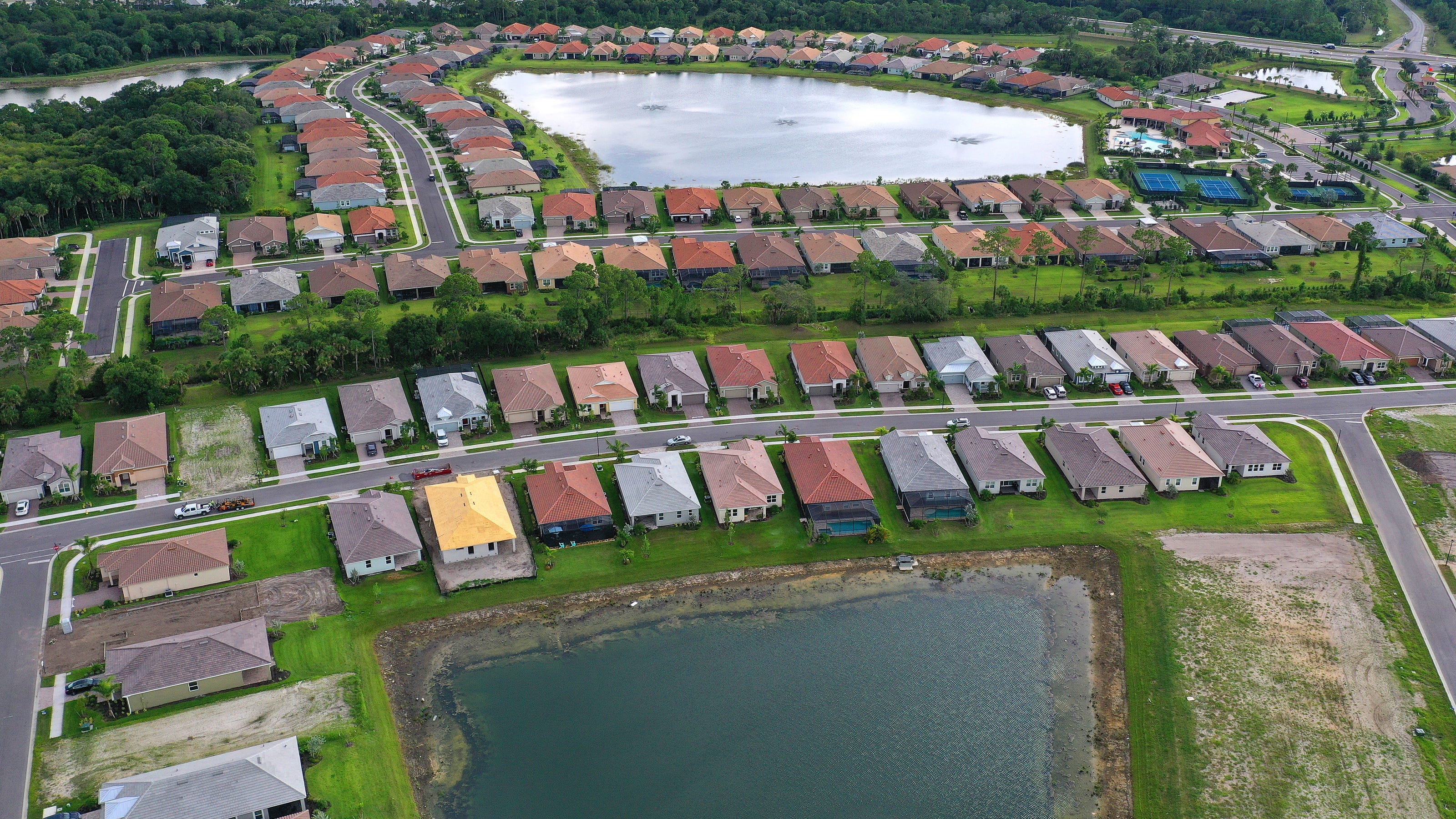
Sarasota County is on the brink of one of its largest modern expansions as the Winchester Ranch project moves closer to approval. Spanning more than 3,100 acres near North Port, the planned mega-development could bring up to 8,999 homes plus major commercial and industrial space. With construction projected to begin in 2027–2028, the community has sparked both excitement over new housing opportunities and concerns about environmental impact, placing it at the center of Florida’s ongoing growth debate.