As New Jersey prepares for the 2025 gubernatorial election, the political landscape is bustling with a diverse array of candidates vying for the state’s highest office. The current governor, Phil Murphy, has reached the end of his term limits, setting the stage for a new leader to emerge. With the primary election scheduled for June 10, 2025, and the general election on November 4, 2025, the race is heating up with candidates from both major parties and several independents.


Democratic Candidates

  • Ras Baraka, the current mayor of Newark, is known for his commitment to fighting for working-class citizens. He aims to “reimagine New Jersey” by implementing policies that promote social equity. More about his campaign can be found on his campaign website.
  • Steven Fulop, mayor of Jersey City, brings his experience from politics and finance to the table. Fulop is focused on actionable proposals for real change, detailed on his campaign page.
  • Josh Gottheimer, a congressman from Tenafly, is running on a platform of reducing taxes and costs. His vision for affordability is outlined on his campaign site.
  • Mikie Sherrill, a congresswoman from Montclair, emphasizes affordability and opportunity. Her campaign details are available here.
  • Sean Spiller, president of the New Jersey Education Association, focuses on making New Jersey more affordable for families. Learn more about his campaign here.
  • Steve Sweeney, former state senate president, is determined to “fix” New Jersey with his insider knowledge. His campaign details are available on his website.

Republican Candidates

  • Justin Barbera, a contractor from Burlington County, is a longshot candidate who has secured enough signatures to appear on the ballot. His candidacy was highlighted in the New Jersey Globe.
  • Jon Bramnick, a state senator from Westfield, is running on government efficiency. His plans are detailed on his campaign website.
  • Jack Ciattarelli, a former assemblyman, emphasizes his deep roots in New Jersey. His campaign can be explored here.
  • Bill Spadea, a radio talk show host from Princeton, positions himself as an outsider challenging the status quo. His campaign details are available online.
  • Mario Kranjac, former mayor of Englewood Cliffs, focuses on lowering taxes and enhancing government transparency. More information is available on his campaign site.

Independent and Write-In Candidates

  • Roger Bacon, a Navy veteran from Phillipsburg, is running as a perennial candidate. His campaign can be found here.
  • Monica Brinson, a former substitute teacher, is the first black woman in the U.S. to run for governor. Her grassroots campaign is detailed here.
  • Robert Canfield, a real estate broker from Brick, focuses on education and Second Amendment rights. Learn more on his campaign site.
  • Stephen Zielinski, a member of the Green Party, aims to implement meaningful reforms. His campaign can be explored here.

The original article from Hoboken Girl provides an in-depth look at each candidate’s background and political stance, offering voters a comprehensive guide as they prepare to make their choice in the upcoming election.


New jersey election 2025

More Articles

Getting licensed or staying ahead in your career can be a journey—but it doesn’t have to be overwhelming. Grab your favorite coffee or tea, take a moment to relax, and browse through our articles. Whether you’re just starting out or renewing your expertise, we’ve got tips, insights, and advice to keep you moving forward. Here’s to your success—one sip and one step at a time!

The Great Housing Reset: What Redfin Predicts for 2026

Redfin forecasts a slow but meaningful return to normalcy in the U.S. housing market starting in 2026. Instead of a crash or a rapid correction, the year marks the beginning of a “Great Housing Reset” where affordability gradually improves, mortgage rates ease into the low‑6% range, home sales tick upward, and renters, buyers, and professionals finally feel less market pressure. From wage growth outpacing home prices to rising refi activity and the rise of AI‑powered real estate tools, 2026 is shaping up to be a foundational year for real estate careers and long‑term market stability.


Climate Disasters Are Outpacing Insurance Uptake as the Global Protection Gap Nears Crisis Levels

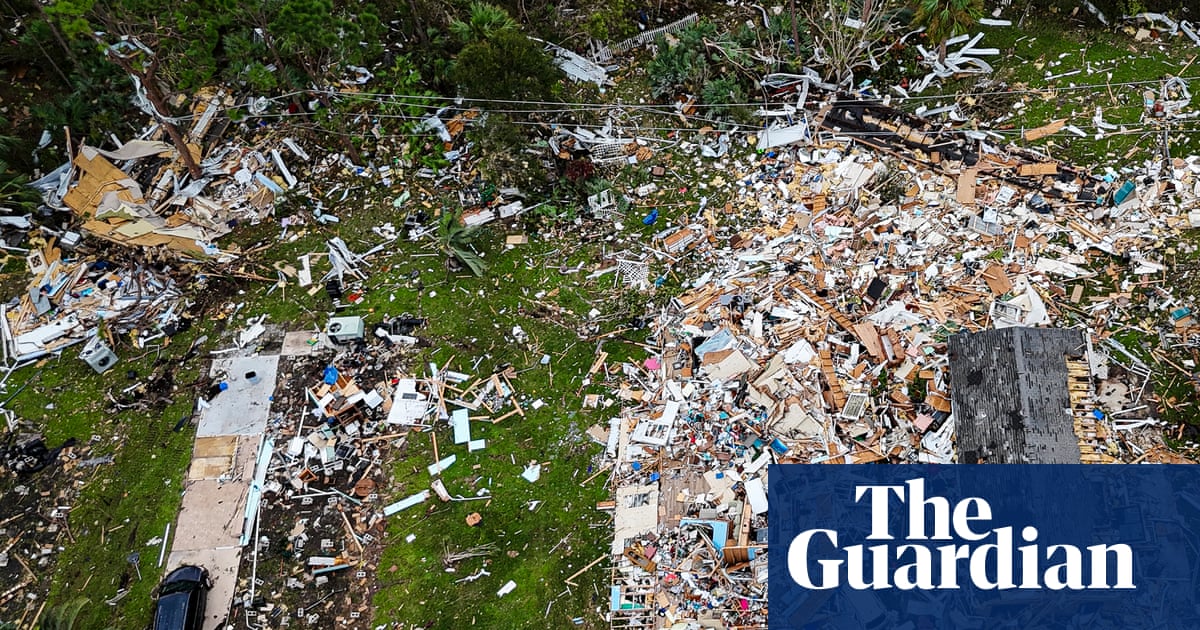
Hurricane Melissa’s destruction in Jamaica highlights a growing global reality: climate risks are accelerating faster than insurance adoption. With more than 90% of disaster losses in developing regions going uninsured and a worldwide protection gap exceeding $1.8 trillion annually, experts warn that traditional insurance systems can no longer keep up. New models—like parametric payouts, community‑based aggregation and bundled climate tools—are emerging, but governments and corporations must step in to prevent financial shocks from destabilizing entire economies.

AI-Powered Excavators? Gravis Robotics Secures $23M to Tackle Construction’s Growing Labor Crisis

Gravis Robotics, a Zurich-based startup, just raised $23 million to bring autonomous tech to construction sites facing a massive operator shortage. As demand surges for renewable energy projects, data centers, and new housing, Gravis retrofits traditional heavy machinery with AI-driven systems that can work autonomously or via remote guidance. With trials already underway across seven countries, the company is pushing a future where humans and robots collaborate — speeding up development timelines and reshaping industries from construction to real estate.

Zillow Drops Climate Risk Scores—What It Means for Agents, Buyers, and the Future of Real Estate

Zillow has quietly removed its climate‑risk scores after months of pressure from agents, homeowners, and listing services who said the warnings were scaring off buyers. The move has sparked a national debate: Is this a win for real estate sales or a setback for consumer transparency? Critics warn that without clear climate‑risk data, families could be “flying blind” into costly surprises like insurance spikes and flood damage. As climate impacts intensify and disclosure expectations rise, real estate professionals must stay informed—because whether Zillow shows the data or not, the risks aren’t going anywhere.

Florida’s Property Insurance Battle Heats Up as 2026 Approaches

Florida’s property insurance crisis is becoming the defining issue heading into the 2026 election season. Republicans argue that recent reforms are finally stabilizing the market, pointing to reduced litigation and cooling reinsurance costs. Democrats counter that families are still facing unbearable premiums, with condo prices dropping over 8% and Floridians paying some of the highest insurance rates in the nation. As lawmakers prepare to return to Tallahassee, the future of insurance reform is set to become the central political fight—one that will directly impact homeowners, investors, and real estate professionals across the state.

The Invisible Backbone Transforming Modern Real Estate

Connectivity has become one of the most powerful differentiators in today’s real estate market. As smart buildings, automation, and sustainability demands accelerate, fiber networks are replacing outdated copper systems and reshaping property value. With lower energy use, unified smart‑building capabilities, reduced long‑term costs, and stronger tenant satisfaction, digital infrastructure is now central to investment strategy. Real estate professionals who understand this shift gain a competitive edge as the industry moves toward cleaner, smarter, more connected buildings.