In the ever-evolving landscape of smart home technology, 2025 has ushered in a new era of innovation that seamlessly integrates convenience, security, and efficiency into our daily lives. According to a recent article by Tom’s Guide, the best smart home devices are not just about futuristic gadgets but about creating a cohesive ecosystem that elevates your home’s IQ.
Revolutionizing Home Security and Convenience
From security cameras to Wi-Fi locks, these devices are designed to provide peace of mind and ease of access. The integration of voice assistants like Amazon Alexa and Google Assistant allows homeowners to control their environment with simple voice commands. Imagine adjusting your thermostat or locking your doors without lifting a finger.
Illuminating the Future
Lighting solutions have also seen a significant upgrade. The best smart lights now offer customizable ambiance settings that can be controlled remotely, providing not only aesthetic benefits but also energy efficiency. These lights are compatible with various platforms, ensuring that they fit seamlessly into any smart home setup.
Interconnectivity with Matter Protocol
A standout feature of 2025’s smart home devices is their support for the Matter protocol. This universal standard allows devices from different manufacturers to communicate effortlessly, backed by tech giants such as Google, Apple, and Amazon. This collaboration ensures that your devices will work together, regardless of brand, enhancing the overall user experience.
Smart Hubs and Displays
Smart hubs have become the command centers of modern homes. Devices like the Echo Hub provide a centralized interface to control all connected gadgets. With intuitive displays and comprehensive control options, these hubs are a testament to how far smart technology has come.
As we navigate through 2025, the potential of smart home devices continues to grow, promising a future where technology and everyday life are intertwined seamlessly. For a deeper dive into the latest smart home innovations, check out the full article by Michael A. Prospero on Tom’s Guide.
More Articles
Getting licensed or staying ahead in your career can be a journey—but it doesn’t have to be overwhelming. Grab your favorite coffee or tea, take a moment to relax, and browse through our articles. Whether you’re just starting out or renewing your expertise, we’ve got tips, insights, and advice to keep you moving forward. Here’s to your success—one sip and one step at a time!
In an unexpected twist of economic fate, the construction industry finds itself grappling with a steep ascent in building material costs, a trend that began its climb at the dawn of 2024.
In the ever-evolving landscape of commercial real estate, a new challenge has emerged, straining the resilience of landlords and developers alike. The soaring costs of insurance, exacerbated by climate-induced natural disasters, are creating a formidable obstacle for property owners. Particularly affected are coastal cities and towns, where the risk of storms and floods is high.
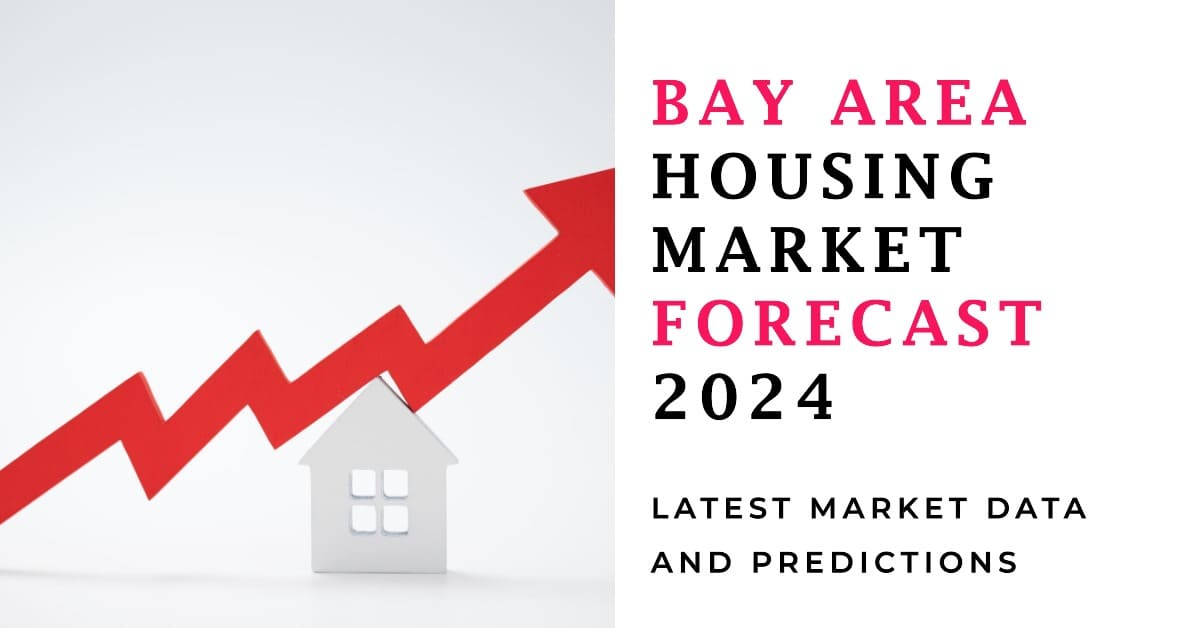
The Bay Area housing market, a perpetual reflection of its economic vigor and cultural appeal, is navigating a complex terrain as it marches into 2024.
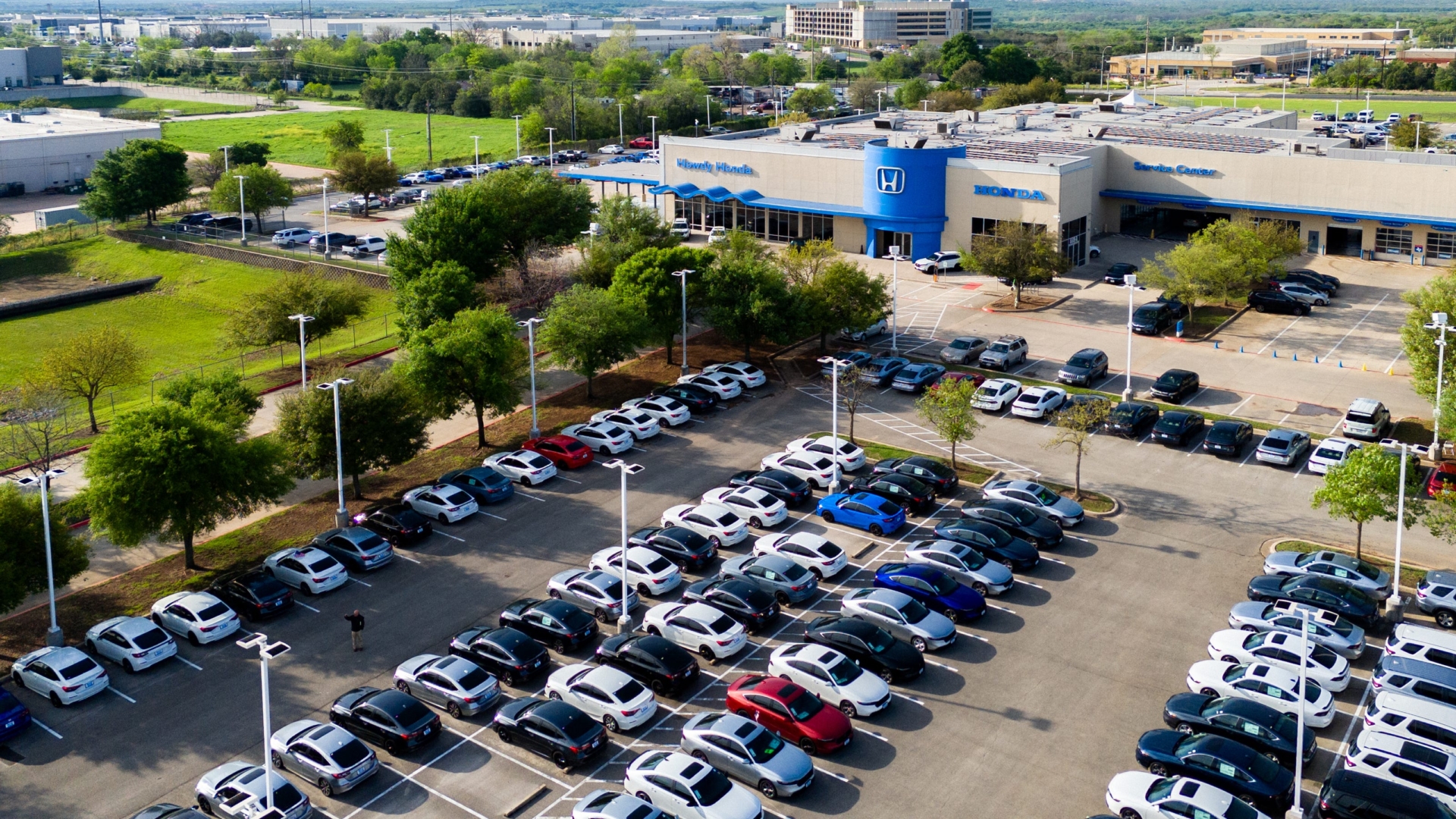
In a significant cyberattack that has disrupted operations across the United States, CDK Global, a leading provider of cloud-based software to automotive dealerships, was forced to shut down most of its systems. This incident has highlighted the vulnerabilities and rising trend of cyberattacks targeting the auto industry.
The commercial real estate landscape has experienced seismic shifts, particularly with properties purchased prior to the Covid-19 pandemic. Many of these assets now hold diminished value compared to the loans used to acquire them.