
The Future of Commercial Real Estate Tech: Your 2026 Strategic Roadmap

Modern commercial building at night

Commercial real estate in 2026 is no longer defined by gut instinct or predictable cycles—it’s a rapidly evolving battlefield powered by automation, real‑time data, and next‑gen intelligence. As rental rates shift and economic pressures rise, CRE professionals must choose: embrace the tech… or fall behind.

This transformation is spotlighted in a powerful report from Intelligent Living, illustrating how advanced PropTech is now a necessity rather than a luxury. From predictive analytics to smart-building automation, technology is swiftly rewriting the rules of commercial real estate.

The New CRE Reality: Data First, Instinct Second

Today’s top performers rely on digital mapping, automated asset search tools, and data frameworks that eliminate guesswork. Ownership identification, ROI forecasting, and market timing decisions now take minutes—not weeks.

The Historical Evolution of PropTech

The CRE tech revolution has unfolded across three major eras:

  • The First Wave: Foundational digital tools and standardized property data.
  • The Aggregator Era: Listing portals democratized access and powered remote transactions.
  • The Smart Era: Intelligent hardware + software ecosystems providing deep property insights.

Driving Strategy with Predictive Analytics

Predictive analytics now sits at the core of successful CRE investment strategies. By forecasting market direction, rent growth, and asset values, investors gain a massive strategic advantage.

  • Highly accurate market forecasting.
  • Smarter timing of acquisitions and exits.
  • Improved evaluation of value‑add potential.

This shields portfolios against volatility while maximizing ROI—transforming data into predictable profit.

The Demand for Sustainability

Sustainability has shifted from optional to essential. With rising ESG requirements, AI‑driven systems now manage HVAC, lighting, and energy usage with remarkable precision. The result: lower costs, reduced environmental impact, and strong positioning for green certifications.

Emerging Trends Shaping CRE Tech in 2026

Several breakthrough technologies are converging to reshape CRE:

  • Virtual & Augmented Reality: Pre‑construction tours and planning.
  • Advanced AI: Moving from predictive to prescriptive insights.
  • Autonomous Smart Buildings: Systems that learn and self‑optimize.
  • ESG‑Driven Capital: Sustainability directly influences valuation.

With occupant satisfaction now tied to rent premiums, properties with seamless digital experiences and proactive service will dominate the market.

Future-Proofing the CRE Industry

The winners of tomorrow will be those who master tech integration while elevating human expertise. As blockchain transactions and AI‑managed systems become standard, CRE professionals must stay ahead of innovation—not react to it.

Those who blend digital tools with personalized service will lead the next century of commercial real estate.

Essential Insights for Entering 2026

  • Top Trends: Prescriptive AI, ESG‑tech, blockchain liquidity.
  • ROI Drivers: Predictive analytics for early market identification.
  • Sustainability Wins: Lower energy use, better compliance, higher valuations.
  • Occupant Satisfaction: Smart buildings justify premium rent.
  • The Future of AI: Decision‑guiding, not just number‑crunching.

As the industry advances, so must its professionals. Education is the new competitive edge—especially in a tech‑first CRE world. Cameron Academy proudly helps future‑focused real estate leaders stay ahead with modern licensing, practical tech‑oriented coursework, and up‑to‑date market insights.

Explore the full source report at Intelligent Living:
IntelligentLiving.co

More Articles

Getting licensed or staying ahead in your career can be a journey—but it doesn’t have to be overwhelming. Grab your favorite coffee or tea, take a moment to relax, and browse through our articles. Whether you’re just starting out or renewing your expertise, we’ve got tips, insights, and advice to keep you moving forward. Here’s to your success—one sip and one step at a time!

Artificial Intelligence in Diagnostics: A Revolution in Healthcare

The global market for artificial intelligence in diagnostics is poised for remarkable growth, with projections estimating it to reach USD 7.3 billion by 2032.

By |December 10, 2024|Categories: Article, Artificial Intelligence, Healthcare|Tags: , |0 Comments

Revolutionizing Medical Education with Extended Reality

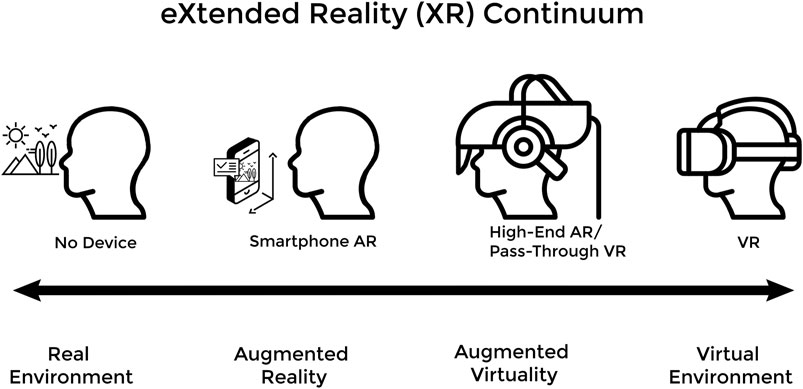
In the ever-evolving landscape of medical education, a new player has emerged, promising to revolutionize the way future doctors are trained. The integration of eXtended Reality (XR) technologies is reshaping the educational landscape by addressing the limitations of traditional methods.

Genetic Testing: A New Dawn in Healthcare

Genetic testing represents more than just a scientific advancement; it signifies a fundamental shift in how we approach health and wellness.

Sustainable Architecture: Blending Innovation with Ecological Responsibility

The journey toward sustainable architecture is ongoing, with each project serving as a beacon of what's achievable when creativity meets ecological awareness.

By |December 9, 2024|Categories: Architecture, Article, Sustainability|Tags: |0 Comments

AI in Clinical and Molecular Diagnostics: A Market on the Rise

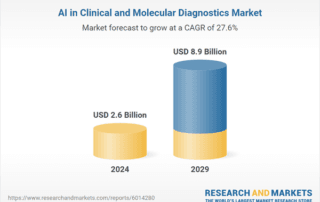
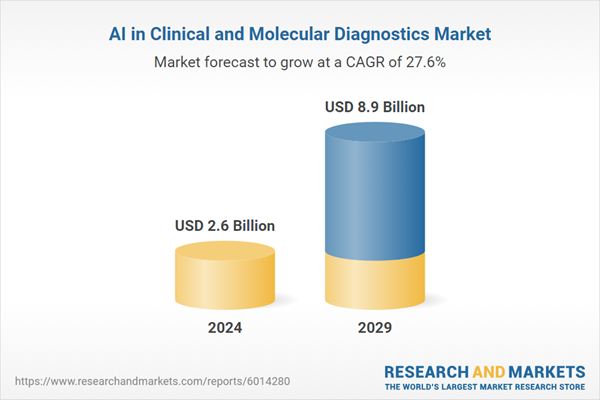
AI in Clinical and Molecular Diagnostics Market is set to experience remarkable growth, projected to surge from USD 2.6 billion in 2024 to USD 8.9 billion by 2029. This growth is driven by the integration of advanced AI technologies such as machine learning and deep learning into traditional diagnostic methodologies like imaging, genomics, and laboratory testing.

AI: A Revolution in Healthcare’s Future

AI is not a distant dream but a present reality, already integrated into everyday life through virtual assistants like Alexa and Siri. AI shows promise in enhancing medical accuracy, such as in predicting mesothelioma survival and improving colonoscopy accuracy, it is not intended to replace healthcare professionals.