The Future of Commercial Real Estate Tech: Your 2026 Strategic Roadmap

Modern commercial building at night

Commercial real estate in 2026 is no longer defined by gut instinct or predictable cycles—it’s a rapidly evolving battlefield powered by automation, real‑time data, and next‑gen intelligence. As rental rates shift and economic pressures rise, CRE professionals must choose: embrace the tech… or fall behind.

This transformation is spotlighted in a powerful report from Intelligent Living, illustrating how advanced PropTech is now a necessity rather than a luxury. From predictive analytics to smart-building automation, technology is swiftly rewriting the rules of commercial real estate.

The New CRE Reality: Data First, Instinct Second

Today’s top performers rely on digital mapping, automated asset search tools, and data frameworks that eliminate guesswork. Ownership identification, ROI forecasting, and market timing decisions now take minutes—not weeks.

The Historical Evolution of PropTech

The CRE tech revolution has unfolded across three major eras:

  • The First Wave: Foundational digital tools and standardized property data.
  • The Aggregator Era: Listing portals democratized access and powered remote transactions.
  • The Smart Era: Intelligent hardware + software ecosystems providing deep property insights.

Driving Strategy with Predictive Analytics

Predictive analytics now sits at the core of successful CRE investment strategies. By forecasting market direction, rent growth, and asset values, investors gain a massive strategic advantage.

  • Highly accurate market forecasting.
  • Smarter timing of acquisitions and exits.
  • Improved evaluation of value‑add potential.

This shields portfolios against volatility while maximizing ROI—transforming data into predictable profit.

The Demand for Sustainability

Sustainability has shifted from optional to essential. With rising ESG requirements, AI‑driven systems now manage HVAC, lighting, and energy usage with remarkable precision. The result: lower costs, reduced environmental impact, and strong positioning for green certifications.

Emerging Trends Shaping CRE Tech in 2026

Several breakthrough technologies are converging to reshape CRE:

  • Virtual & Augmented Reality: Pre‑construction tours and planning.
  • Advanced AI: Moving from predictive to prescriptive insights.
  • Autonomous Smart Buildings: Systems that learn and self‑optimize.
  • ESG‑Driven Capital: Sustainability directly influences valuation.

With occupant satisfaction now tied to rent premiums, properties with seamless digital experiences and proactive service will dominate the market.

Future-Proofing the CRE Industry

The winners of tomorrow will be those who master tech integration while elevating human expertise. As blockchain transactions and AI‑managed systems become standard, CRE professionals must stay ahead of innovation—not react to it.

Those who blend digital tools with personalized service will lead the next century of commercial real estate.

Essential Insights for Entering 2026

  • Top Trends: Prescriptive AI, ESG‑tech, blockchain liquidity.
  • ROI Drivers: Predictive analytics for early market identification.
  • Sustainability Wins: Lower energy use, better compliance, higher valuations.
  • Occupant Satisfaction: Smart buildings justify premium rent.
  • The Future of AI: Decision‑guiding, not just number‑crunching.

As the industry advances, so must its professionals. Education is the new competitive edge—especially in a tech‑first CRE world. Cameron Academy proudly helps future‑focused real estate leaders stay ahead with modern licensing, practical tech‑oriented coursework, and up‑to‑date market insights.

Explore the full source report at Intelligent Living:
IntelligentLiving.co

More Articles

Getting licensed or staying ahead in your career can be a journey—but it doesn’t have to be overwhelming. Grab your favorite coffee or tea, take a moment to relax, and browse through our articles. Whether you’re just starting out or renewing your expertise, we’ve got tips, insights, and advice to keep you moving forward. Here’s to your success—one sip and one step at a time!

Florida Homeowners Finally Get Relief as Gov. DeSantis Announces Significant Insurance Premium Cuts

Florida homeowners — especially in hard‑hit South Florida — are set to see rare and substantial reductions in their property insurance premiums. Gov. Ron DeSantis announced an average statewide Citizens Insurance decrease of 8.7%, with even larger savings of up to 14% in counties like Miami-Dade, Broward, and Palm Beach. State officials credit recent legal and regulatory reforms for stabilizing the market, attracting new insurers, and delivering the first meaningful rate relief Floridians have seen in years.

Tampa’s Real Estate Market Enters a Smarter, More Selective Growth Phase

Tampa’s commercial real estate market isn’t slowing—it’s maturing. With strong population growth, rising office demand, a normalized industrial sector, resurgent retail, and an emerging health‑care real estate boom, investors are shifting from speed to strategy. Tighter underwriting, cautious capital and increased due‑diligence are shaping a more disciplined market, creating new opportunities for informed professionals.

Florida Slashes Home Insurance Rates: Biggest Drop in a Decade Sends Shockwaves Through the Market

Florida homeowners are finally seeing relief as Citizens Property Insurance announces a major 8.7% average rate decrease—far larger than originally proposed. Driven by legislative reforms, fewer lawsuits, and a calm hurricane season, the state’s once‑unstable insurance market is showing real signs of recovery. But with reduced coverage limits and shifting legal protections, experts warn that lower premiums may come with hidden trade‑offs.

Florida Homeowners Finally Get Insurance Relief After Years of Soaring Premiums

After a decade of rising premiums and retreating carriers, Florida homeowners are finally seeing long‑awaited relief. Dozens of insurers have filed for rate decreases—some as high as 11%—thanks to legislative reforms and a stabilizing market. Early approvals are already hitting counties across the state, and experts say the momentum could boost buyer confidence, affordability, and competition throughout Florida’s real estate and insurance sectors.

Self‑Storage Investing in 2026: A Market Thaw Opens the Door to Big Opportunities

After years of slowed activity caused by rising interest rates, the self‑storage industry is heating up again. New data from Marcus & Millichap shows a fresh market cycle emerging, driven by renewed buyer confidence, recalibrated pricing, and stronger lender participation. Acquisitions are rebounding, development is resetting in a healthier direction, and financing conditions are improving—creating one of the most promising investment landscapes the sector has seen in years.

Brookline’s Real Flood Risk: What FEMA’s New Maps Reveal—and What They Miss

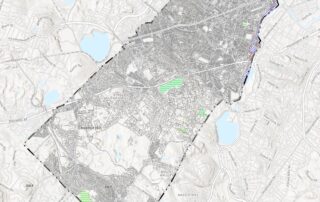
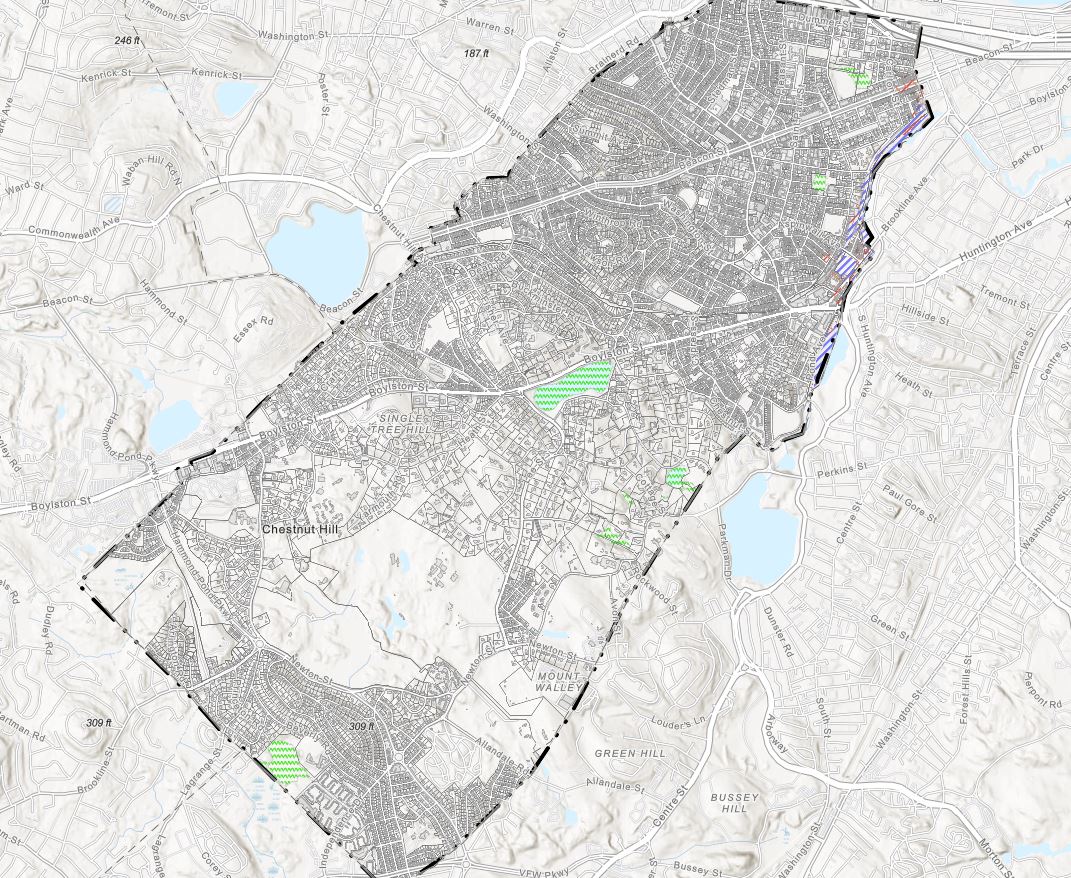
Brookline’s newly updated FEMA flood maps identify 97 high‑risk parcels, but local experts warn the true threat is far greater. While FEMA highlights river‑based flooding around Leverett Pond and the Muddy River, alternative models show more than 1,300 Brookline properties at risk within 30 years. Hidden vulnerabilities along major corridors like Beacon Street, rising rainfall intensity, aging infrastructure, and climate‑driven storm patterns suggest that many “low‑risk” areas may be anything but safe.