The 2026 Housing Market Slows, Stabilizes and Starts Looking… Normal?
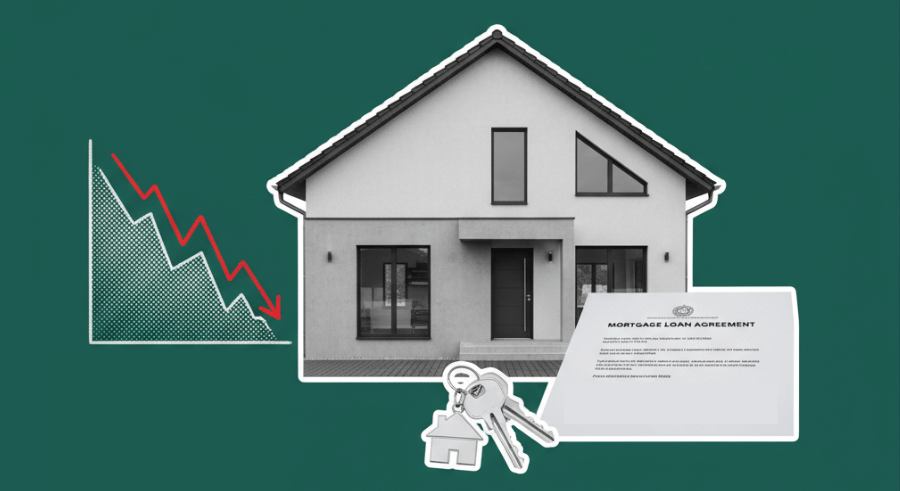
After years of extreme ups, downs and everything in between, the U.S. housing market is entering 2026 with something many professionals barely recognize anymore: balance. Inventory growth has cooled to 10% year over year, a sharp deceleration from the 33% surge seen in mid‑2025. According to fresh analysis from HousingWire, the long-running supply shortage era is giving way to a housing landscape where real demand strength and interest rates—not scarcity—set the tone.
“Year-over-year housing inventory growth has slowed to single digits… 2026 is off and running.” — Logan Mohtashami, HousingWire Lead Analyst
The result? A market that feels less frantic, more seasonal and surprisingly teachable for agents, students and professionals seeking mastery of market behavior. (If you’re studying real estate or expanding your professional license, this is the kind of shift that makes education more valuable than ever—something we’re proud to support at Cameron Academy.)
Demand Takes the Wheel as Scarcity Fades
As 2026 begins, pricing power is increasingly tied to real‑time demand patterns. Buyers are more rate‑sensitive, transaction volumes are thinner and negotiations are back in style. With seasonal predictability returning, the market rewards those who understand timing, strategy and localized decision‑making.
Inventory Growth Slows, Normalcy Strengthens
Inventory is up—but not nearly as explosive as last year. And for the first time since the chaos of 2021, we’re seeing a stable winter bottom forming. Between Jan. 2–9, inventory actually declined, signaling a return to familiar seasonal rhythms.
“We would want the seasonal bottom to happen in February to help affordability and price growth moderation.” — Mohtashami
A February trough would give agents, lenders and builders a predictable runway to plan spring activity—exactly the kind of structural normalcy professionals have been craving.
New Listings: The Real Bottleneck
Despite improving inventory totals, new listings remain stubbornly low. Only 39,007 hit the market the week ending Jan. 9, a 12.6% decline from the previous year. Until new listing activity rebounds to 80,000+ during peak season, true expansion will remain limited.
Goodbye Urgent Bidding, Hello Price Discovery
The median days on market now sits at 91. Nearly 35% of homes have cut their price, while just 2.4% have raised theirs. Negotiation—not bidding wars—is officially the name of the game.
Pending sales—39,841 for the week—are down modestly from 2025, underscoring a calmer, more stable level of market activity.
Rates Shift Psychology and Unlock Demand
With rates hovering closer to 6% than 7%, buyer psychology is shifting. Lower payments and improved move‑up math are coaxing both buyers and sellers back into the market. According to Mohtashami, the Trump administration’s push for housing momentum is also beginning to influence confidence.
What This Means for Industry Pros
Agents & Brokerages
Use returning seasonality to time listings strategically.
Guide buyers through negotiation‑first price dynamics.
Lenders & Mortgage Operators
Frame rate messaging around demand sensitivity.
Use pending sales trends to anticipate volume.
Builders & Developers
Prepare for increased competition from resale supply.
Offer incentives highlighting the new‑vs‑existing value gap.
Investors & Portfolios
Interpret price cuts as normal discovery—not market distress.
Incorporate policy volatility into investment models.
A Moderated Market—Finally
For the first time in years, spreads are normalizing and expected rate cuts are already priced in. After an era defined by extremes, 2026 is shaping into a market where informed professionals thrive—and real estate behaves like real estate again.
If this kind of market insight motivates you to build or advance a real estate career, Cameron Academy offers flexible, affordable programs designed for today’s evolving industry.
Explore local data and the full report at HousingWire:
Getting licensed or staying ahead in your career can be a journey—but it doesn’t have to be overwhelming. Grab your favorite coffee or tea, take a moment to relax, and browse through our articles. Whether you’re just starting out or renewing your expertise, we’ve got tips, insights, and advice to keep you moving forward. Here’s to your success—one sip and one step at a time!
Artificial intelligence has shifted from a novelty to a defining force in real estate, transforming everything from listing creation to virtual staging while raising new legal and ethical risks. As AI adoption accelerates, experts warn that the agents who embrace automation and new tools now will gain a major competitive edge, while those who delay could fall behind in a rapidly evolving industry.
As AI and automation reshape the workforce, one form of career protection remains as powerful as ever: earning a state license. From real estate to trades to finance, licensed professionals stay in high demand because their work requires proven competence, accountability and human judgment—qualities technology can enhance but never replace. With trade enrollment surging, investor interest growing and licensing on the rise across the country, credentials have become a reliable path to stability, mobility and long-term earning potential.
A new wave of AI platforms is redefining how real estate agents identify buyer intent, spark conversations, and nurture relationships. From conversational home search engines to predictive opportunity alerts and relationship‑intelligence systems, these tools are helping agents connect sooner and smarter—reshaping daily workflows as the 2026 market approaches.
Texas money is riding hard into San Francisco, snapping up distressed downtown buildings at prices not seen in decades. From Union Square to California Street, major players like Lone Star Funds are betting big on the city’s rebound, signaling that the market may have finally hit bottom and that a new wave of opportunity is taking shape for savvy real estate professionals nationwide.
The 2025 holiday season is expected to break the $1 trillion sales mark, but economists say the milestone masks deeper consumer caution, income‑driven spending gaps, and weakening unit sales. Urban Land Magazine’s latest analysis shows how these mixed signals are shaping a selective, uneven landscape for U.S. commercial real estate heading into 2026—where strong locations thrive, weaker assets struggle, and affluent shoppers continue to dictate market performance.
As 2025 ends, the housing market is inching toward balance with slower price growth, rising inventory, and steadier mortgage rates. Experts predict modest 1% to 2% home‑price growth in 2026—not a crash, but a calmer, more predictable market shaped by regional differences. With the Fed easing rates and inventory climbing in key cities, 2026 may become the most buyer‑friendly year in recent memory, especially for those prepared to act when the right home appears.