The 2026 Housing Market Outlook: Are We Finally Entering a Year of Better Inventory?

Spring residential street with brick homes

The 2026 housing market is shaping up to be one of the most anticipated in recent memory. After years of tight supply, rising prices, and frustrated buyers, this could finally be the year inventory inches in a better direction.

Inventory comes from two sources: existing homes and newly built properties. Understanding where both are headed in 2026 helps buyers, sellers, and real estate professionals prepare for what may become one of the most active markets since the post‑pandemic surge.

For readers already exploring mortgages, the original source at Rate.com offers helpful tools such as pre‑approval options to get ahead of early‑year competition.

Expert Predictions for the 2026 Market

According to the National Association of REALTORS® (NAR), 2026 may deliver a subtle but meaningful shift. Their forecast includes:

  • A slight decrease in mortgage rates
  • An increase in home sales—both new and existing
  • A projected 4% rise in the national median home price

While modest, that price increase signals a continued seller-friendly environment—though far less extreme than the last few years.

Will More Sellers Finally Enter the Market?

The big question: Will homeowners who’ve been sitting on the sidelines finally list?

NAR suggests: Yes. With a projected 14% increase in existing home sales and a 4% price bump, many homeowners may feel 2026 is the right time to make a move.

But it’s not just about resale homes—new construction is stepping up, too.

New Construction: Will Builders Boost Inventory?

The National Association of Home Builders anticipates around 1.05 million new homes in 2026—a 4% increase from 2025. NAR also projects a 5% year‑over‑year increase in new home sales.

For buyers tired of slim pickings, new construction may serve as a much‑needed release valve.

Economic Factors Influencing 2026 Home Supply

No surprise here: mortgage rates remain the biggest driver of buyer behavior. With slight rate relief projected, more buyers may re-enter the market—potentially tightening inventory even as supply grows.

First-Time Buyers: Will 2026 Be More Accessible?

Many experts believe so. Rate’s Senior VP of Mortgage Lending, Christian Johnson, highlights how raised loan limits and flexible down payments may help new buyers break into high‑cost markets.

With a new conventional loan limit of $832,750 and minimum down payments as low as 3%, 2026 could unlock long‑awaited opportunities.

How to Compete in a Low‑Inventory Market

Even with improving inventory, competition will stay strong. Smart buyers should:

  • Track new listings daily
  • Use an online home search engine
  • Work closely with an experienced agent
  • Secure pre‑approval to move fast

And for agents or aspiring professionals, now is a powerful time to sharpen skills. Markets in transition reward confidence and training. If you’re looking to enter real estate—or elevate your credentials—Cameron Academy offers licensing and professional education across Florida and the U.S. to help you thrive in dynamic markets.

Tap to Reveal: Quick Prep Checklist for 2026 Buyers

• Refresh your credit score

• Compare lenders and loan types

• Request your pre‑approval

• Identify your ideal neighborhoods

• Connect with a knowledgeable real estate agent

Whether you’re preparing to buy, expanding your professional career, or seeking licensure, 2026 holds tremendous promise. And Cameron Academy is ready to help you enter the year fully equipped with the training and confidence you need to succeed.

To read the full inspiration behind this article, visit Rate.com’s original piece: The 2026 Housing Market Outlook.

More Articles

Getting licensed or staying ahead in your career can be a journey—but it doesn’t have to be overwhelming. Grab your favorite coffee or tea, take a moment to relax, and browse through our articles. Whether you’re just starting out or renewing your expertise, we’ve got tips, insights, and advice to keep you moving forward. Here’s to your success—one sip and one step at a time!

The Mortgage Industry’s AI Transformation: Automation Reshapes Lending From Application to Approval

Artificial intelligence is rapidly reshaping the mortgage industry, boosting productivity, reducing manual work, and accelerating loan closings. From automated document data extraction to AI‑generated underwriting narratives and predictive analytics, lenders are using new tools that improve accuracy and drastically speed up processing times. With chatbots, next‑gen point‑of‑sale systems, and end‑to‑end automation, preapprovals that once took days now take minutes. For mortgage and real estate professionals, mastering AI is becoming a major competitive advantage—one that defines who will thrive in the future of lending.

Why Your Insurance Bill Is Rising Even as Florida Rates Go Down

Florida’s property insurance rates are finally starting to drop, but many homeowners are still seeing higher monthly bills. The reason isn’t insurer price hikes—it’s soaring replacement costs driven by construction inflation, labor shortages, and rising home values. Nearly 75 percent of recent premium increases came from higher property values alone. Understanding this gap between “rates” and “premiums” helps homeowners—and real estate and insurance professionals—navigate the shifting Florida market and make smarter coverage decisions.

Milwaukee’s Commercial Real Estate Market Turns a Corner

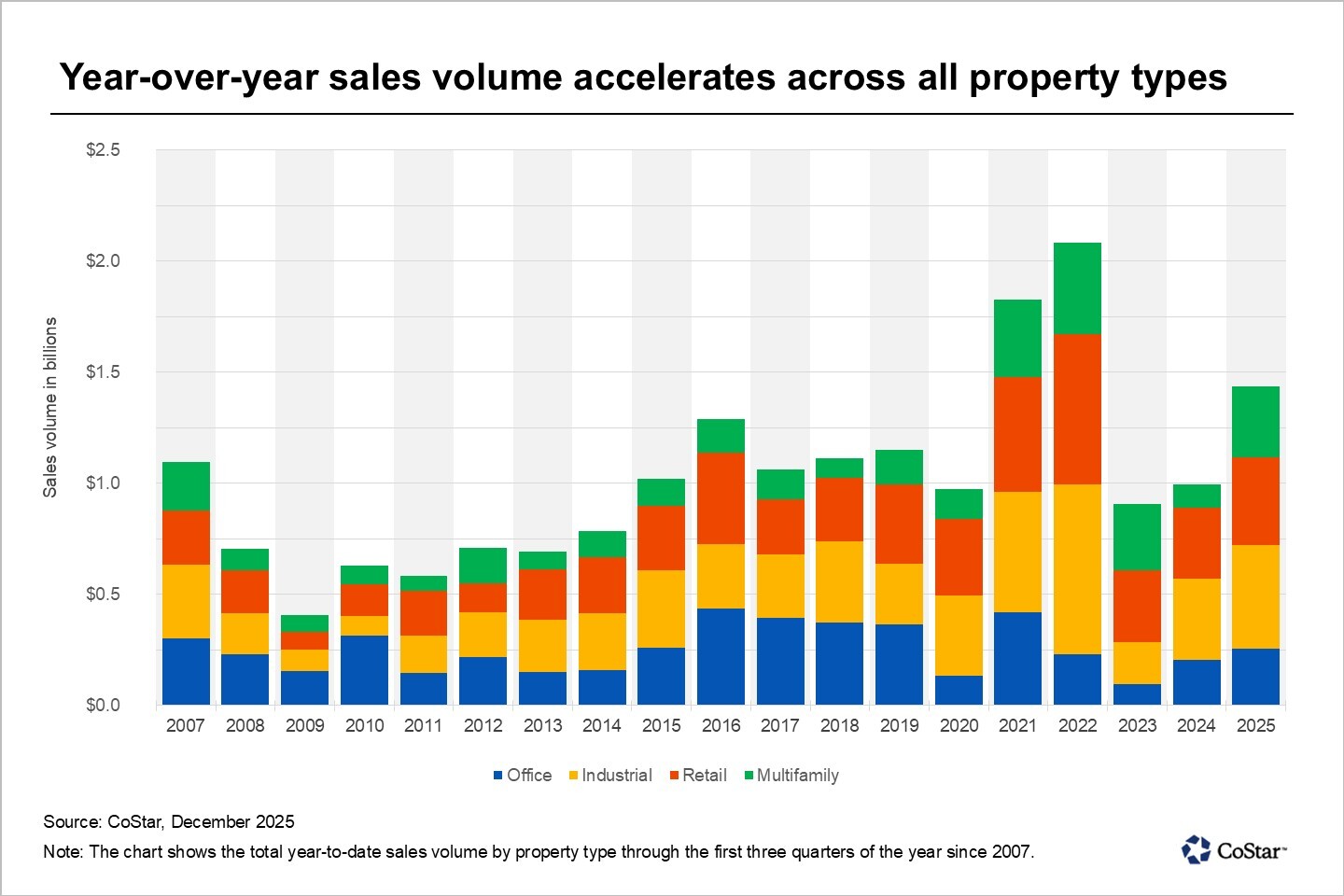
Milwaukee’s commercial real estate market is finally showing real signs of recovery, with 2025 sales volume hitting a three‑year high and investor confidence steadily returning. Driven by selective, fundamentals‑focused buying—favoring strong cash flow, quality assets, and strategic pricing—the city is moving from a period of correction into a healthier, opportunity‑rich phase. For real estate professionals nationwide, Milwaukee’s momentum reflects broader CRE market stabilization and the growing importance of disciplined underwriting and market expertise.

Reverse Mortgage Market Poised for Breakout Growth in 2026

Industry leaders project a major surge in reverse mortgage activity heading into 2026, fueled by rising proprietary products, lender innovation, and strong investor interest. As high interest rates push originators to adopt new strategies, flexible private‑label options, senior‑focused HELOCs, and a wave of big‑capital investment are reshaping the market. With education and policy shifts poised to unlock even more demand, reverse mortgages are entering their most transformative era yet.

The 2026 Housing Market Outlook: Is Better Inventory Finally on the Horizon?

Experts forecast that 2026 may bring long‑awaited relief to homebuyers, with both existing and new home inventory expected to rise. NAR predicts a boost in home sales, a slight drop in mortgage rates, and a modest 4% increase in prices—conditions that could motivate more homeowners to list while builders add over a million new homes to the market. For first‑time buyers, higher loan limits and easing qualification standards may make entering the market more achievable than in recent years.

Lower Interest Rates Signal a Brighter 2026 for South Florida Real Estate

South Florida enters 2026 with renewed optimism as falling mortgage rates, improving buyer confidence, and a strong job market help stabilize a housing landscape that struggled in 2025—especially in the condo sector. While single-family homes remained resilient last year, condos faced price drops, rising fees, and hesitation tied to new safety regulations. With rates projected to fall to around 5.8% by year’s end, buying power is increasing, inventory may loosen, and activity is expected to pick up. Still, affordability challenges persist, Miami’s rental market remains intensely competitive, and the condo sector’s recovery will take time.