The Markets Investors Can’t Resist in 2026: Dallas Leads, but the Southeast Is Stealing the Spotlight
Every year, commercial real estate investors cast their votes—not at the ballot box, but with their portfolios. And according to the latest CBRE survey, 2026 is shaping up to be a year of confident buying, strategic expansion, and a whole lot of attention on key U.S. metros that continue to outperform expectations.
For the fifth year in a row, Dallas tops the list as the most attractive market for investors nationwide. The city’s booming population, business‑friendly environment, and unrelenting development pipeline keep it firmly in first place. But it’s not standing alone on the podium.
The Top Markets Investors Are Targeting
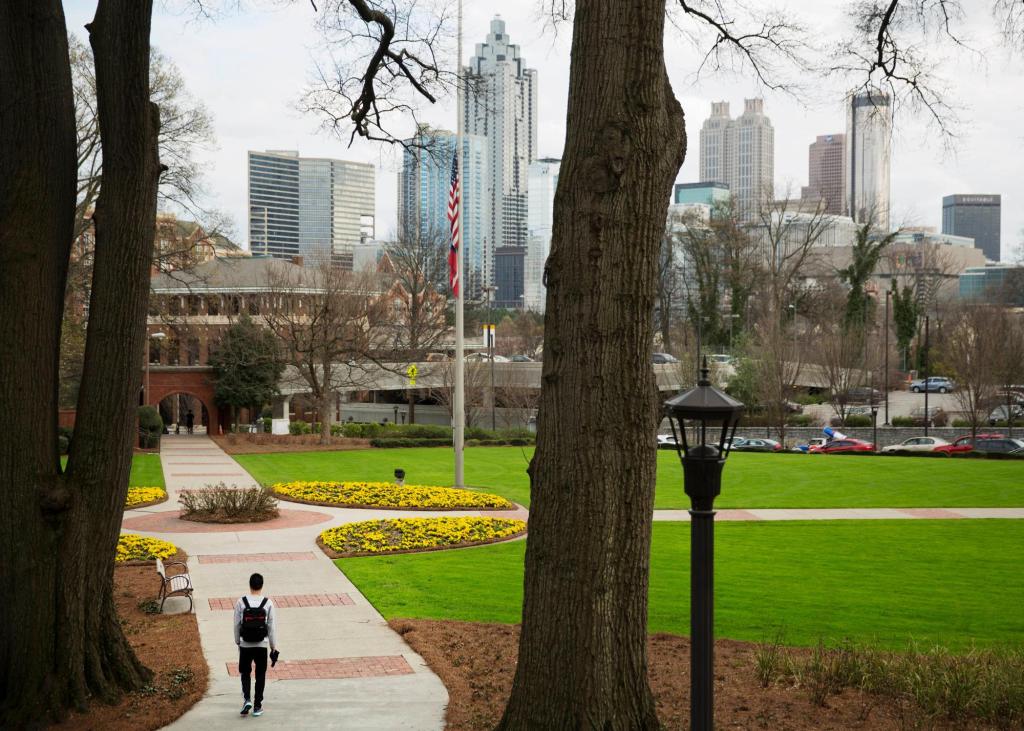
Trailing Dallas is Atlanta—another powerhouse that blends affordability, talent growth, and Fortune 500 magnetism. A skyline view from the Georgia Tech campus, captured in an AP photo by David Goldman, hints at the kind of momentum fueling investor enthusiasm.
Following closely behind are:
• San Francisco• Miami• Charlotte• Raleigh‑Durham• Nashville• Tampa• Seattle• New York City
Many of these metros share common threads: population inflow, strong job creation, lifestyle appeal, and growing bases in technology, finance, logistics, and healthcare. It’s no wonder investors are planning to buy more in 2026 instead of pulling back.
What’s Driving the Surge?
While the survey summary doesn’t reveal every fine‑grained detail, industry patterns point to a few universal motivators: cooling inflation, moderating interest rates, rising demand for industrial and multifamily assets, and the resilience of Sun Belt cities that continue to outperform national averages.
Investors aren’t just optimistic—they’re strategic. And with markets like Tampa, Miami, and Charlotte climbing the ranks, Florida and the Southeast are enjoying a moment that feels far more like a long-term trend than a temporary spike.
Click to read the original survey coverage on The Baltimore Sun
Why This Matters for Real Estate Professionals
Whether you’re an investor, broker, developer, or someone preparing to enter the field, understanding where capital is flowing gives you a competitive edge. Markets attracting investment today often become tomorrow’s hotspots for opportunity.
For those building a real estate career—or expanding into commercial specialization—now is an ideal moment to level up. Cameron Academy offers flexible, career‑driven real estate education for professionals across Florida and nationwide, helping you stay licensed, informed, and ahead of market shifts.
Where investors see opportunity, professionals see pathways. And 2026’s commercial landscape is full of them.
More Articles
Getting licensed or staying ahead in your career can be a journey—but it doesn’t have to be overwhelming. Grab your favorite coffee or tea, take a moment to relax, and browse through our articles. Whether you’re just starting out or renewing your expertise, we’ve got tips, insights, and advice to keep you moving forward. Here’s to your success—one sip and one step at a time!
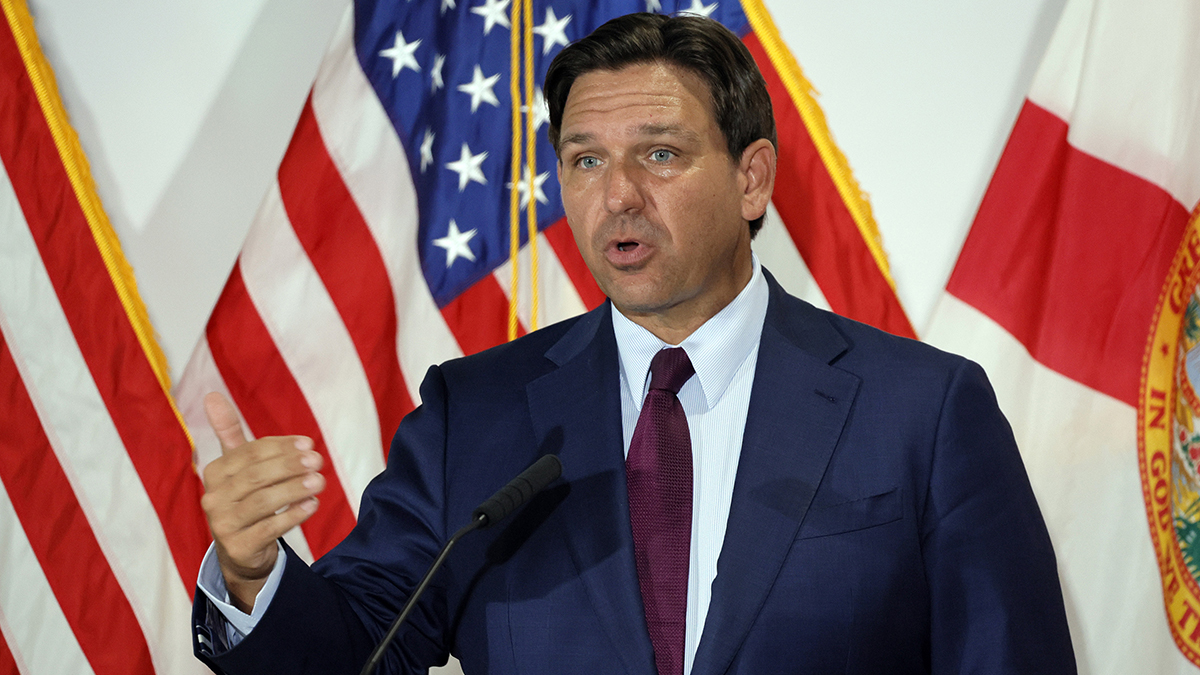
Florida homeowners — especially in hard‑hit South Florida — are set to see rare and substantial reductions in their property insurance premiums. Gov. Ron DeSantis announced an average statewide Citizens Insurance decrease of 8.7%, with even larger savings of up to 14% in counties like Miami-Dade, Broward, and Palm Beach. State officials credit recent legal and regulatory reforms for stabilizing the market, attracting new insurers, and delivering the first meaningful rate relief Floridians have seen in years.
Tampa’s commercial real estate market isn’t slowing—it’s maturing. With strong population growth, rising office demand, a normalized industrial sector, resurgent retail, and an emerging health‑care real estate boom, investors are shifting from speed to strategy. Tighter underwriting, cautious capital and increased due‑diligence are shaping a more disciplined market, creating new opportunities for informed professionals.
Florida homeowners are finally seeing relief as Citizens Property Insurance announces a major 8.7% average rate decrease—far larger than originally proposed. Driven by legislative reforms, fewer lawsuits, and a calm hurricane season, the state’s once‑unstable insurance market is showing real signs of recovery. But with reduced coverage limits and shifting legal protections, experts warn that lower premiums may come with hidden trade‑offs.
After a decade of rising premiums and retreating carriers, Florida homeowners are finally seeing long‑awaited relief. Dozens of insurers have filed for rate decreases—some as high as 11%—thanks to legislative reforms and a stabilizing market. Early approvals are already hitting counties across the state, and experts say the momentum could boost buyer confidence, affordability, and competition throughout Florida’s real estate and insurance sectors.
After years of slowed activity caused by rising interest rates, the self‑storage industry is heating up again. New data from Marcus & Millichap shows a fresh market cycle emerging, driven by renewed buyer confidence, recalibrated pricing, and stronger lender participation. Acquisitions are rebounding, development is resetting in a healthier direction, and financing conditions are improving—creating one of the most promising investment landscapes the sector has seen in years.
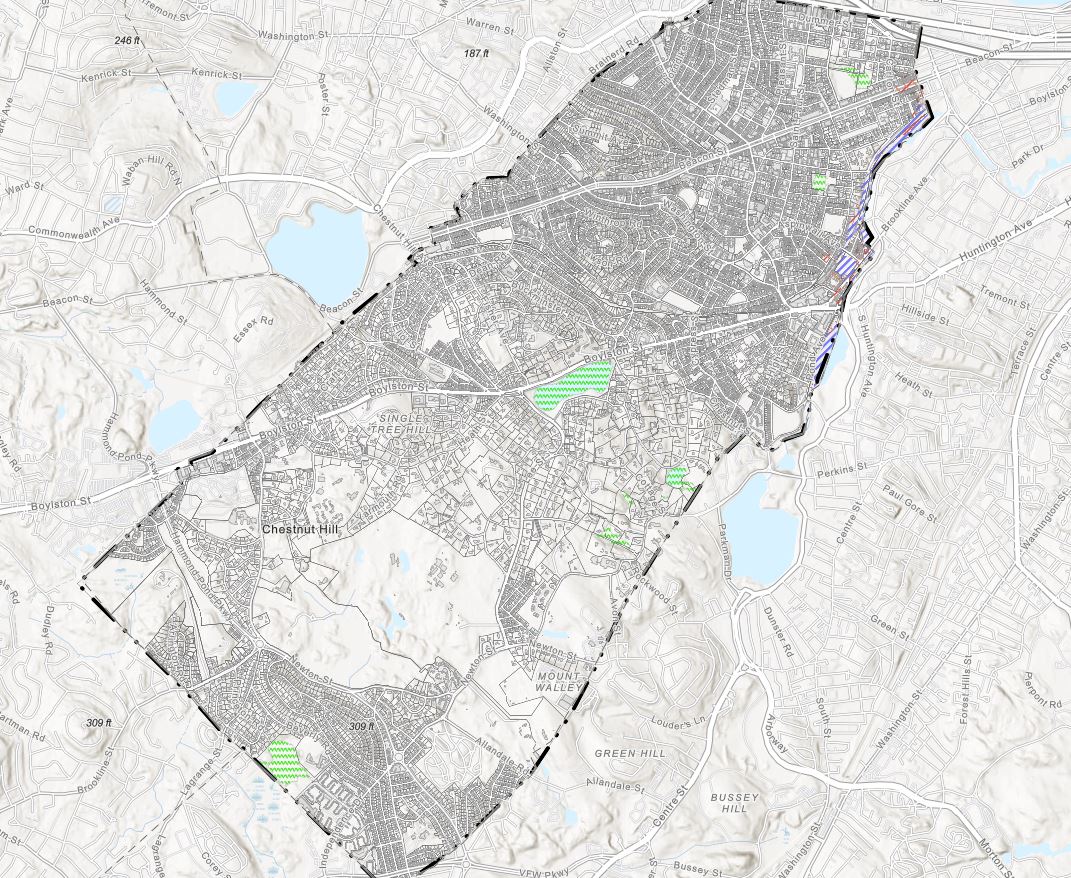
Brookline’s newly updated FEMA flood maps identify 97 high‑risk parcels, but local experts warn the true threat is far greater. While FEMA highlights river‑based flooding around Leverett Pond and the Muddy River, alternative models show more than 1,300 Brookline properties at risk within 30 years. Hidden vulnerabilities along major corridors like Beacon Street, rising rainfall intensity, aging infrastructure, and climate‑driven storm patterns suggest that many “low‑risk” areas may be anything but safe.