The Markets Investors Can’t Resist in 2026: Dallas Leads, but the Southeast Is Stealing the Spotlight
Every year, commercial real estate investors cast their votes—not at the ballot box, but with their portfolios. And according to the latest CBRE survey, 2026 is shaping up to be a year of confident buying, strategic expansion, and a whole lot of attention on key U.S. metros that continue to outperform expectations.
For the fifth year in a row, Dallas tops the list as the most attractive market for investors nationwide. The city’s booming population, business‑friendly environment, and unrelenting development pipeline keep it firmly in first place. But it’s not standing alone on the podium.
The Top Markets Investors Are Targeting
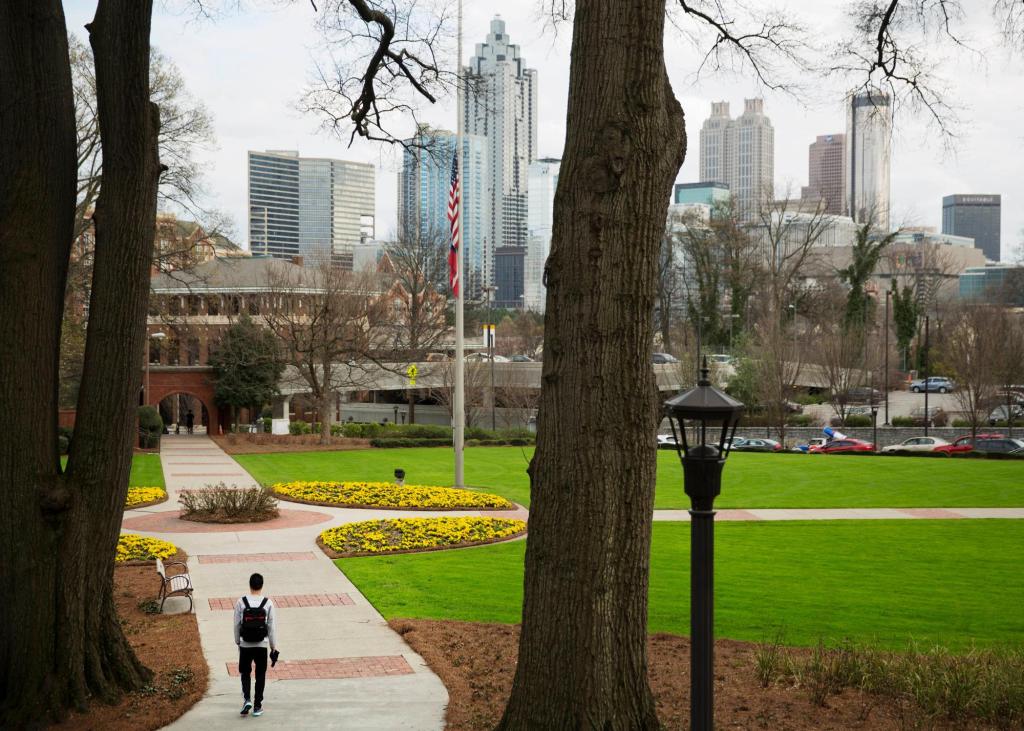
Trailing Dallas is Atlanta—another powerhouse that blends affordability, talent growth, and Fortune 500 magnetism. A skyline view from the Georgia Tech campus, captured in an AP photo by David Goldman, hints at the kind of momentum fueling investor enthusiasm.
Following closely behind are:
• San Francisco• Miami• Charlotte• Raleigh‑Durham• Nashville• Tampa• Seattle• New York City
Many of these metros share common threads: population inflow, strong job creation, lifestyle appeal, and growing bases in technology, finance, logistics, and healthcare. It’s no wonder investors are planning to buy more in 2026 instead of pulling back.
What’s Driving the Surge?
While the survey summary doesn’t reveal every fine‑grained detail, industry patterns point to a few universal motivators: cooling inflation, moderating interest rates, rising demand for industrial and multifamily assets, and the resilience of Sun Belt cities that continue to outperform national averages.
Investors aren’t just optimistic—they’re strategic. And with markets like Tampa, Miami, and Charlotte climbing the ranks, Florida and the Southeast are enjoying a moment that feels far more like a long-term trend than a temporary spike.
Click to read the original survey coverage on The Baltimore Sun
Why This Matters for Real Estate Professionals
Whether you’re an investor, broker, developer, or someone preparing to enter the field, understanding where capital is flowing gives you a competitive edge. Markets attracting investment today often become tomorrow’s hotspots for opportunity.
For those building a real estate career—or expanding into commercial specialization—now is an ideal moment to level up. Cameron Academy offers flexible, career‑driven real estate education for professionals across Florida and nationwide, helping you stay licensed, informed, and ahead of market shifts.
Where investors see opportunity, professionals see pathways. And 2026’s commercial landscape is full of them.
More Articles
Getting licensed or staying ahead in your career can be a journey—but it doesn’t have to be overwhelming. Grab your favorite coffee or tea, take a moment to relax, and browse through our articles. Whether you’re just starting out or renewing your expertise, we’ve got tips, insights, and advice to keep you moving forward. Here’s to your success—one sip and one step at a time!
Palm Beach protests erupted as intensified immigration enforcement reached the heart of Trump’s hometown, while millions in Florida brace for rising health care costs as key subsidies near expiration. At the same time, state regulators boldly declare the long‑running property insurance crisis “over,” leaving homeowners and industry professionals questioning whether true stability has finally returned.
As 2025 comes to a close, the real estate industry is shifting from uncertainty to strategic expansion. According to DWS’s Year-End 2025 Outlook, property values are stabilizing after years of repricing, capital is concentrating on high-quality assets, and Sunbelt markets—especially Florida—continue to outperform. With technology enhancing rather than replacing professional expertise, 2026 is shaping up to reward professionals who stay informed, skilled, and strategically positioned for the next cycle.
Texas capital is pouring into San Francisco’s long‑struggling commercial real estate market, with Lone Star investors buying up discounted Union Square buildings and signaling what many experts believe is the city’s market bottom. As office activity and confidence begin to return, buyers from across the country are joining the rush, turning SF’s post‑pandemic slump into one of the nation’s hottest bargain opportunities.
With 2026 HousingWire Tech100 nominations closing on December 19, the housing tech sector is accelerating at full speed. AI‑powered data platforms, digital closing breakthroughs, embedded insurance growth, and next‑generation servicing automation are reshaping real estate, mortgage, insurance, and finance. From ATTOM’s AI‑ready property intelligence to Hapi Homes’ Martha Stewart design revival, Obie’s nationwide expansion, Outamation’s servicing automation, and ServiceLink’s next‑level borrower scheduling, this year’s standout innovators are defining the future of the housing economy.
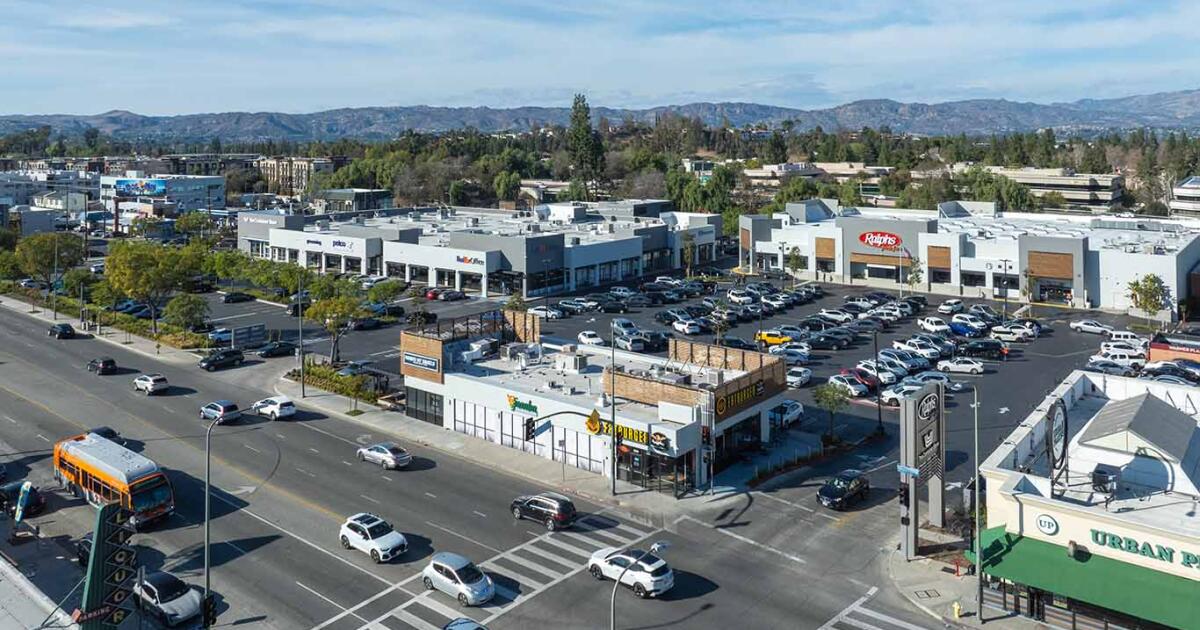
Space Investment Partners has acquired the 123,402‑square‑foot Topanga Gateway retail center in Woodland Hills for $64 million, marking another significant move in the firm’s expanding grocery‑anchored investment strategy. Located at a high‑visibility intersection and 97% occupied at the time of sale, the property strengthens the company’s push toward $500 million to $1 billion in retail acquisitions for 2026, underscoring continued investor confidence in necessity‑based retail assets.
After the Federal Reserve’s final 2025 rate cut on December 10, mortgage markets are recalibrating, giving buyers and homeowners a glimmer of relief. Rates remain lower than earlier in the year, with 30-year fixed loans at 6.12% and refinances dipping as well. This shift may spark renewed activity for buyers, refinancers, and real estate professionals heading into 2026.