The Markets Investors Can’t Resist in 2026: Dallas Leads, but the Southeast Is Stealing the Spotlight
Every year, commercial real estate investors cast their votes—not at the ballot box, but with their portfolios. And according to the latest CBRE survey, 2026 is shaping up to be a year of confident buying, strategic expansion, and a whole lot of attention on key U.S. metros that continue to outperform expectations.
For the fifth year in a row, Dallas tops the list as the most attractive market for investors nationwide. The city’s booming population, business‑friendly environment, and unrelenting development pipeline keep it firmly in first place. But it’s not standing alone on the podium.
The Top Markets Investors Are Targeting
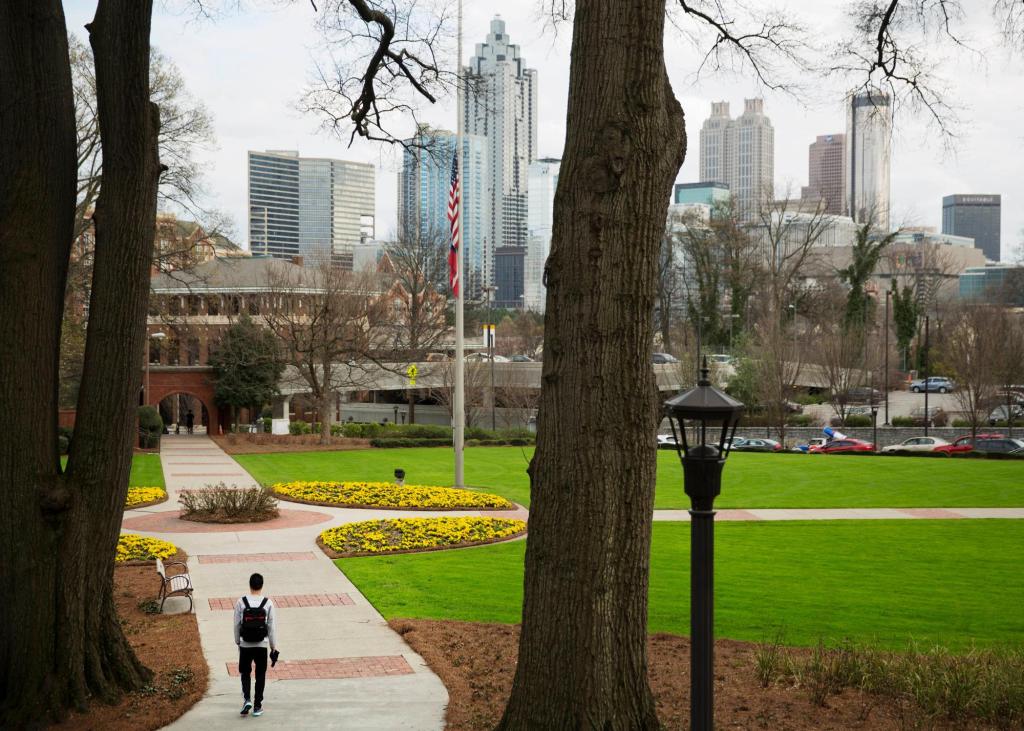
Trailing Dallas is Atlanta—another powerhouse that blends affordability, talent growth, and Fortune 500 magnetism. A skyline view from the Georgia Tech campus, captured in an AP photo by David Goldman, hints at the kind of momentum fueling investor enthusiasm.
Following closely behind are:
• San Francisco• Miami• Charlotte• Raleigh‑Durham• Nashville• Tampa• Seattle• New York City
Many of these metros share common threads: population inflow, strong job creation, lifestyle appeal, and growing bases in technology, finance, logistics, and healthcare. It’s no wonder investors are planning to buy more in 2026 instead of pulling back.
What’s Driving the Surge?
While the survey summary doesn’t reveal every fine‑grained detail, industry patterns point to a few universal motivators: cooling inflation, moderating interest rates, rising demand for industrial and multifamily assets, and the resilience of Sun Belt cities that continue to outperform national averages.
Investors aren’t just optimistic—they’re strategic. And with markets like Tampa, Miami, and Charlotte climbing the ranks, Florida and the Southeast are enjoying a moment that feels far more like a long-term trend than a temporary spike.
Click to read the original survey coverage on The Baltimore Sun
Why This Matters for Real Estate Professionals
Whether you’re an investor, broker, developer, or someone preparing to enter the field, understanding where capital is flowing gives you a competitive edge. Markets attracting investment today often become tomorrow’s hotspots for opportunity.
For those building a real estate career—or expanding into commercial specialization—now is an ideal moment to level up. Cameron Academy offers flexible, career‑driven real estate education for professionals across Florida and nationwide, helping you stay licensed, informed, and ahead of market shifts.
Where investors see opportunity, professionals see pathways. And 2026’s commercial landscape is full of them.
More Articles
Getting licensed or staying ahead in your career can be a journey—but it doesn’t have to be overwhelming. Grab your favorite coffee or tea, take a moment to relax, and browse through our articles. Whether you’re just starting out or renewing your expertise, we’ve got tips, insights, and advice to keep you moving forward. Here’s to your success—one sip and one step at a time!
The commercial real estate sector closed out 2025 with renewed stability, as the Real Estate Roundtable’s latest sentiment index shows rising confidence and improving market fundamentals. Executives report better access to capital, stronger performance in residential, retail, and hospitality, and early signs of recovery in the office market. With financing loosening and asset values climbing, the outlook for 2026 is increasingly optimistic, creating fresh opportunities for both seasoned professionals and newcomers preparing to enter the field.
The CFPB is proposing changes to how lenders evaluate “disparate impact” under the Equal Credit Opportunity Act, potentially tightening the scrutiny on credit decisions that unintentionally disadvantage protected groups. These updates could reshape underwriting models, lending criteria, and compliance requirements — ultimately influencing mortgage approvals, buyer qualifications, and day‑to‑day real estate activity.
Florida’s insurance crisis has become the defining issue heading into 2026, with Republicans touting recent market improvements while Democrats argue families are still being crushed by soaring premiums. From billion‑dollar auto insurance refunds to condo markets destabilized by post‑Surfside rate spikes, the state’s political divide is shaping the future of real estate, insurance, and affordability for millions.
October 2025 brought a wave of major regulatory updates across insurance, finance, and compliance. From stricter oversight on retail insurers and new FCA rules on ESG and travel insurance, to EIOPA’s EU‑wide consultations and refreshed corporate governance standards, regulators signaled higher expectations and faster change ahead. For professionals—and those pursuing licenses—these shifts directly impact risk management, product design, and consumer outcomes, making regulatory awareness a critical competitive advantage.
After nearly two years of sluggish activity, commercial real estate lending is finally accelerating—fast. New data from CBRE shows loan closings jumped 112% year‑over‑year in Q3 2025, reaching their highest level since 2018. With interest rates stabilizing and credit spreads tightening, investors are returning, banks are re‑entering the market, and multifamily financing is dominating once again. The long‑stalled deal flow is thawing, signaling renewed momentum heading into 2026.
Farmers Insurance is lifting its cap on new homeowner policies in California after two years of limiting growth, signaling a shift in the state’s strained insurance market. The expansion comes with a proposed 6.99 percent rate increase that still needs regulatory approval. Supporters call it a turning point driven by new wildfire‑risk rules, while consumer advocates warn the reforms contain loopholes and could lead to higher costs for homeowners.