The 2026 Job Market Freeze: What It Means for Workers, Employers, and Ambitious Professionals
As we move deeper into 2026, the U.S. job market is sending mixed but fascinating signals. Job openings sit slightly above pre‑pandemic levels, yet the overall landscape feels stuck. Employers are hesitating, workers are holding tight, and the nation is experiencing what many experts now call a job market freeze—a pause rather than a collapse.
According to Business Insider and Indeed’s 2026 Hiring Trends Report, a combination of tariffs, immigration shifts, and broad economic uncertainty has slowed down hiring decisions. Yet amid the chill, there are warm pockets of opportunity—especially for professionals embracing flexibility, industry pivots, or upskilling.
Fast Fact: Healthcare now accounts for more than half of all job growth across the U.S., while tech postings sit one‑third below early‑2020 levels.
A Labor Market on Pause, but Not on Decline
Indeed’s tremendous global reach—connecting 645 million job seekers with 3.3 million employers—offers a rare view into current labor trends. Their data paints a picture of a “low‑hire, low‑fire” economy. Companies aren’t expanding aggressively, but they’re not conducting mass layoffs either.
“Businesses have a harder time making decisions when things are uncertain,” says Laura Ullrich, director of economic research. “They may choose not to hire while they wait.”
As a result, job seekers face a matrix of shifting opportunities, where some industries are thriving while others cool—often based on geography.
AI’s Real Impact: Evolution, Not Replacement
AI continues to dominate conversations, but the data offers refreshing clarity: only 0.7% of today’s skills are considered highly susceptible to full automation. Surprisingly, fewer than 5% of postings on Indeed mention AI at all.
The tech sector feels the largest impact, with fewer entry‑level roles as automation handles simpler tasks. Senior‑level tech positions, however, remain strong. Meanwhile, patient‑focused healthcare roles stay secure and essential—immune to AI’s reach.
Insight: In healthcare, AI is streamlining administrative tasks, allowing caregivers to spend more time on quality patient interaction.
Where the Opportunities Are in 2026
Professionals shifting industries or entering the workforce should aim toward fields with strong, ongoing demand. Healthcare, construction, civil engineering, and Sunbelt/Mountain West states continue to surge.
Industries traditionally tied to upward mobility—like real estate—are still influenced by local market conditions and licensing requirements. This is exactly where professional training becomes a powerful advantage.
For those exploring real estate, mortgage, insurance, medical roles, or other licensed professions, specialized education is essential. Cameron Academy proudly serves professionals nationwide, offering flexible and career‑aligned licensing programs designed to thrive even in unpredictable job markets.
2026: A Year of Subtle Shifts, Not Dramatic Overhauls
Indeed’s chief economist Svenja Gudell emphasizes the importance of understanding local trends and staying adaptable. The job market may feel chilly, but it’s far from frozen—especially for those willing to follow the heat.
Job seekers should remain open to new skills, evolving industries, and fresh locations. Employers, on the other hand, can stay competitive by offering flexibility, fair compensation, and strong professional development pathways.
For a deeper look into the data shaping 2026, explore the full report at Indeed Hiring Lab.
Getting licensed or staying ahead in your career can be a journey—but it doesn’t have to be overwhelming. Grab your favorite coffee or tea, take a moment to relax, and browse through our articles. Whether you’re just starting out or renewing your expertise, we’ve got tips, insights, and advice to keep you moving forward. Here’s to your success—one sip and one step at a time!
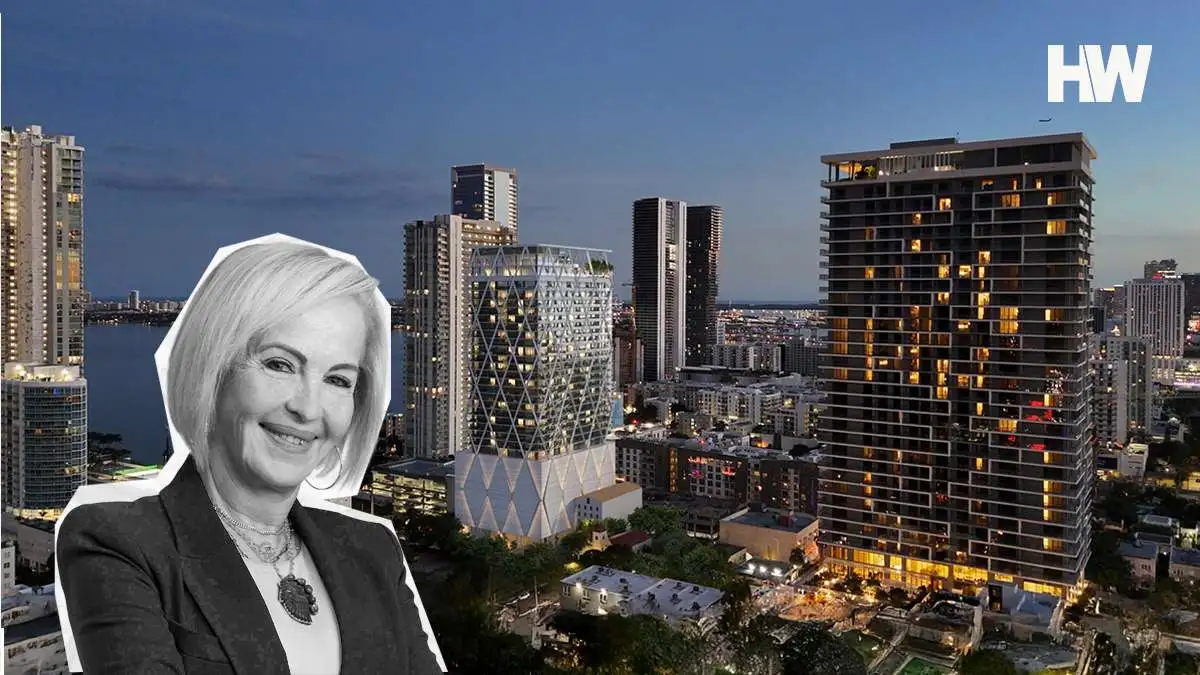
Miami’s luxury condo market has many success stories, but few rise to the level of Maile Aguila. After closing more than $1 billion in sales in 2024, Aguila has become one of the most influential forces in Brickell and downtown Miami. From her beginnings in accounting to becoming the go‑to expert for high‑end developments, her journey offers a blueprint for new agents: specialize, become hyper‑local, master the soft sell, and make yourself indispensable. Her story shows that passion, knowledge, and relentless learning are the keys to breaking into Miami’s booming luxury market.
Former NFL defensive tackle Kendal Vickers has traded stadium lights for property listings, launching a fast-rising real estate career after earning licenses in both Florida and Tennessee. Drawing on his construction background and the discipline he built in the league, Vickers quickly closed early deals and now leads sales for two major residential developments. Motivated by helping families find homes, he’s proving that with grit, education, and the right mindset, a powerful second act is possible—on or off the field.
A shifting housing market and evolving regulations are making title insurance more critical than ever in 2026. Cortes and Hay, a New Jersey title agency with over 50 years of experience, breaks down the essential factors every buyer and investor should understand—from the importance of thorough title searches to the growing need for investor protection, ALTA best practices, and expert guidance on 1031 exchanges. This updated snapshot helps consumers and future real estate professionals navigate today’s complex closing landscape with confidence.
Nearly half of today’s homebuyers expect to use AI in their buying journey, and Florida is becoming a leading testing ground. New platforms like Homa are automating most of the homebuying process, delivering major savings to buyers while still blending in human expertise. As both tech-driven tools and traditional agents adapt, the future of Florida real estate will rely on professionals who can combine smart technology with real-world experience.
Florida’s once‑red‑hot investment market is cooling fast, with cities like Orlando, Fort Lauderdale, and Jacksonville seeing steep drops in investor purchases. Rising insurance costs, swelling inventory, and squeezed profit margins are pushing investors to pause—or look elsewhere. But West Palm Beach stands apart, surging with luxury demand as it cements its status as “Wall Street South.”
With mortgage rates nearly a full point lower than last year and inventory slowly rising, 2026 is opening the door for more buyers to re-enter the market. Competition has cooled, bidding wars have eased, and sellers are more flexible than they’ve been in years. While winter weather temporarily slowed sales, spring is expected to bring renewed momentum. For buyers with steady finances and long‑term plans, this year may offer one of the most balanced markets since the frenzy of 2021–2022.