In the ever-evolving landscape of real estate, the national housing market has reached a staggering valuation of $47.5 trillion, marking a $2.4 trillion increase over the past year. This remarkable growth, as highlighted in a preliminary Redfin analysis, underscores the profound impact of remote work on housing trends.
Remote Work and Secondary Cities
A key driver of this surge is the allure of remote work, which has reshaped the demand for housing in specific metropolitan areas. More affordable cities, often referred to as “secondary cities,” have emerged as significant beneficiaries. For instance, Newark, New Jersey, and New Haven, Connecticut, experienced notable increases in home values, with Newark’s housing market skyrocketing by 12.8% over the last year. This trend is largely due to their proximity to larger urban centers and their appeal to those priced out of expensive metros like New York.
The Subcity Phenomenon
The concept of a “subcity,” as described in a colloquial definition, plays a crucial role in this dynamic. These are cities that function as secondary hubs to larger metropolitan areas. With the remote work trend solidifying into a hybrid model, these subcities have become attractive alternatives, offering affordability and accessibility.
Winners and Losers in the Housing Market
While secondary cities flourish, traditional boomtowns and high-cost areas have faced stagnation or decline. Cities like Boise, Idaho, and New York City saw declines in home values, attributed to their already high prices or pandemic-fueled influxes that have since waned. Meanwhile, suburban and rural areas have also seen growth, with suburban home values rising by 5.6% to about $29 trillion.
Challenges for Prospective Buyers
Despite the overall market growth, prospective buyers face significant challenges. Elevated mortgage rates, limited inventory, and high home prices have made homeownership increasingly unaffordable. As reported by Fortune, the housing market experienced a freeze, with existing home sales plummeting to their lowest point in nearly three decades.
However, there is a silver lining. Experts anticipate that mortgage rates may start to decline before the end of 2024, potentially easing affordability concerns. Until then, homeowners continue to hold substantial housing wealth, benefiting from the supply shortage that maintains elevated home values.
Conclusion
As the housing market continues to evolve, the interplay between remote work, secondary cities, and economic factors will remain pivotal. For a deeper dive into these trends, you can explore the original article on Fortune’s website.
More Articles
Getting licensed or staying ahead in your career can be a journey—but it doesn’t have to be overwhelming. Grab your favorite coffee or tea, take a moment to relax, and browse through our articles. Whether you’re just starting out or renewing your expertise, we’ve got tips, insights, and advice to keep you moving forward. Here’s to your success—one sip and one step at a time!
foreign investment in U.S. real estate has surged to unprecedented levels, surpassing 1.2 trillion dollars over the past 15 years. This influx has sparked a robust debate among scholars and policymakers about the potential threats and benefits posed by such investments.
With the rise of digital interactions, Aflac is tailoring its strategies to engage Gen Z and other demographics, focusing on seamless digital experiences and omnichannel engagement.
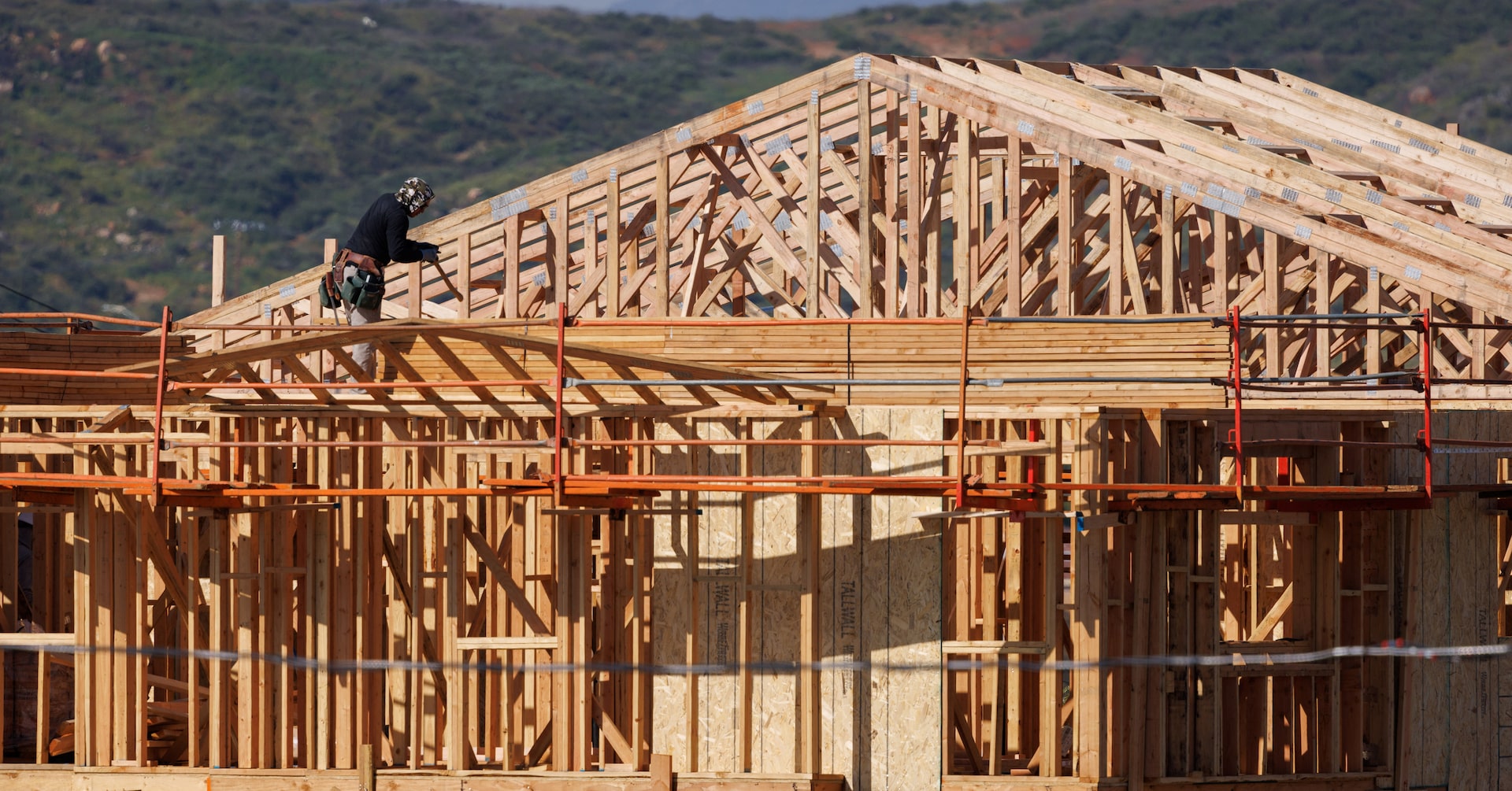
U.S. single-family homebuilding sector has hit an eight-month low in June, largely due to escalating mortgage rates. This downturn suggests a potential drag on the nation's economic growth during the second quarter.
As we navigate this rising tide of risk, the insurance industry must innovate and adapt to ensure that protection remains viable for those who need it most. The stakes have never been higher, and the time for action is now.