The Rise of the 50-Year Mortgage: Smart Breakthrough or Costly Trap?
A new idea is stirring in the world of home finance — one that has lenders divided and homeowners buzzing.
The Federal Housing Finance Agency is considering allowing banks to issue 50-year mortgages, a dramatic shift aimed at making monthly payments more affordable during a time of soaring home prices, high insurance costs, and stiff interest rates.
On paper, spreading a mortgage over half a century certainly softens those monthly payments. But is this a tool to help families secure a home… or a long-term financial pitfall waiting to happen? A recent report from
Spectrum News 13 explores this growing debate — and we’re breaking it down for you.
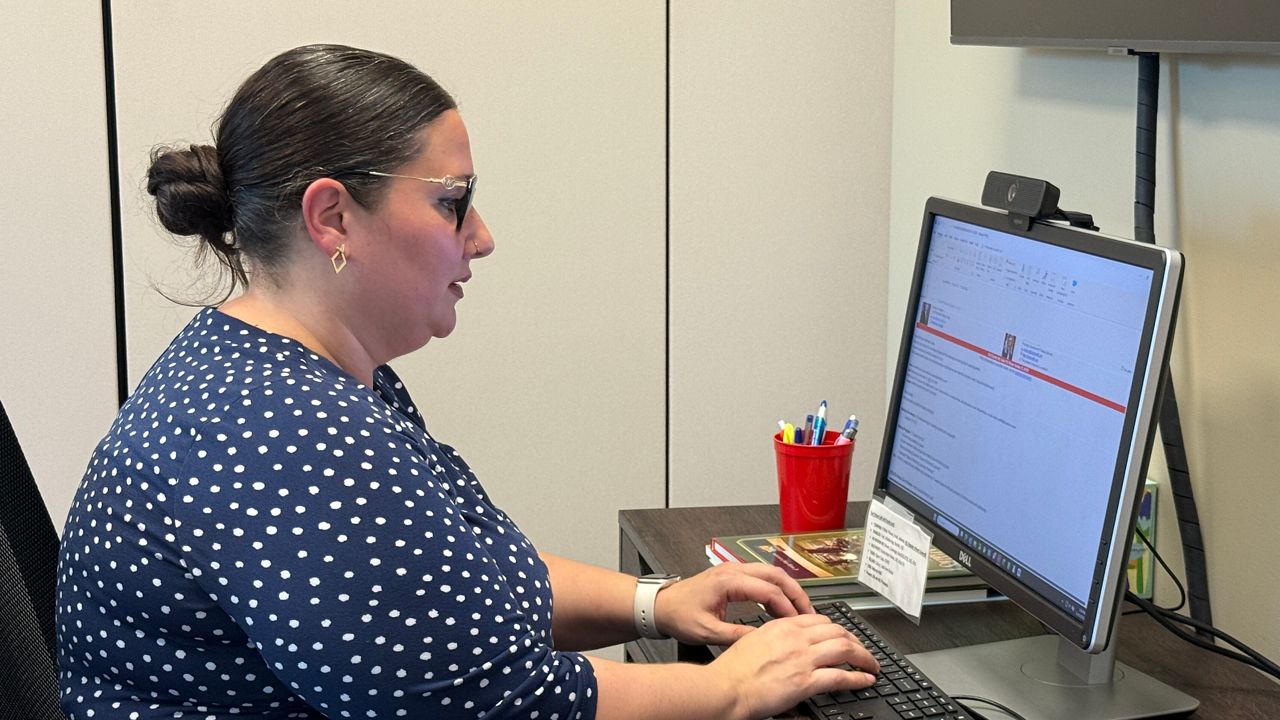
A Homeowner’s Story: “I Worked Four Years to Qualify for 30 Years — Not 50”
For Groveland homeowner and single mom Mandy Cutrone, the journey to homeownership was deliberate and disciplined. She spent years paying down debt, stabilizing her income, and preparing herself for a traditional 30-year loan.
“It brings me joy to know that I can provide a wonderful home for my family,” she shared. But when asked about the idea of a 50-year mortgage? Her answer was firm: “I don’t think it’s fair to have people get into debt for 50 years.”
What Lenders Are Saying
“This product works best for young professionals expecting their income to rise.”
— Ali Partovi, Motto Mortgage
Mortgage expert Ali Partovi agrees the product has a place — but only for certain borrowers. A 50-year loan could benefit young professionals entering the workforce, especially those anticipating rising income. For them, the immediate affordability may outweigh long-term cost.
But Partovi warns: homeowners must understand the math… and it isn’t pretty.
Tap to See the Cost Breakdown
At 8% interest on a $320,000 loan:
• 30-year mortgage → $525,296 in interest
• 50-year mortgage → $984,206 in interest
That’s more than double the interest for only a slightly lower monthly payment.
Is the 50-Year Mortgage a Good Idea?
Like any financial tool, the answer depends on the user. If a longer-term mortgage gets a family into a home they otherwise couldn’t afford, it may serve as a stepping stone — especially if they plan to refinance once rates drop or income rises.
But for many households, the added interest turns the 50-year mortgage into a very long, very expensive road.
What This Means for Real Estate and Mortgage Professionals
Whether or not 50-year mortgages become mainstream, one thing is certain: the industry is evolving fast. Loan officers, agents, and financial professionals must understand these products — and educate clients on both the benefits and the pitfalls.
For those entering or advancing in real estate and mortgage careers, updated knowledge is essential. That’s why institutions like Cameron Academy continue to offer industry-leading licensing and professional development courses across all 50 states.
Bottom Line
A 50-year mortgage may lower the monthly payment, but the real cost is measured in decades of interest. As the debate continues, staying informed is crucial — whether you’re a homeowner, a future borrower, or a professional guiding clients through these decisions.