The 9 Top Real Estate Lead Generation Companies for 2024
By [Your Name], Special Correspondent
In the fast-paced world of real estate, staying ahead of the competition is crucial. As we look towards 2024, the landscape of lead generation is evolving with the integration of cutting-edge technologies such as AI and predictive analytics. HousingWire’s recent article, “The 9 Top Real Estate Lead Generation Companies for 2024”, provides an in-depth analysis of the leading companies poised to transform how real estate professionals close deals efficiently.
Market Leader emerges as a frontrunner, offering a comprehensive marketing suite that includes email and SMS marketing services, lead capture forms, and a robust CRM. Priced from $139, Market Leader provides exclusive leads, setting it apart in the industry. However, the absence of a concierge service and a free trial could be seen as drawbacks.
Another standout is SmartZip, renowned for its predictive analytics capabilities that identify potential sellers months in advance. With a starting price of $500, SmartZip is tailored for experienced agents, offering tools like direct mail campaigns and home valuation landing pages. Despite its strengths, the lack of lead exclusivity and higher price point may deter newcomers.
Offrs distinguishes itself by offering a no-contract option, albeit at a higher cost. Utilizing AI-powered predictive analytics, Offrs identifies likely sellers and nurtures leads through its ChatGPT-powered chatbot, RAIA. This innovative approach ensures agents can engage with the most qualified leads.
For those seeking exclusive, inherited-property seller leads, Catalyze AI is the ideal choice. By leveraging real-time data and predictive analytics, Catalyze AI identifies motivated inheritance leads. Starting at $360 per month, it offers an affordable solution for agents well-versed in the probate process.
Zillow Premier Agent remains a dominant force in the industry, providing buyer leads based on location. While the cost per lead varies, Zillow’s high traffic volume and straightforward CRM make it a top choice for many agents. However, some insiders argue that Zillow’s focus on its “Flex” program may overshadow its “Premier Agent” partners.
In the realm of AI-powered solutions, Ylopo leads the charge with its dynamic home search and AI-driven conversion tools. Starting at $395 per month, Ylopo’s AI assistants engage leads 24/7, making it a perfect fit for tech-savvy professionals.
RealGeeks offers an affordable, all-in-one lead generation platform with prices starting at $299 per month. Its comprehensive toolkit includes IDX websites, CRM, and marketing tools, catering to agents, teams, and brokerages alike.
Zurple excels in automated lead nurturing, generating leads through branded landing pages and engaging them via text or email. With a starting price of $309 per month, Zurple’s focus on automated conversations ensures prospects are nurtured until they’re ready to close.
Finally, zBuyer is noted for its exceptional customer service and transparent approach. Starting at $400 per month, zBuyer offers tech-forward features like email and SMS marketing, though the shared lead model may not appeal to all agents.
As the real estate industry continues to evolve, these companies offer diverse solutions tailored to different needs and budgets. For more detailed insights, visit the original article on HousingWire.
In conclusion, whether you’re a new agent or a seasoned professional, aligning your choice with your skill level, budget, and target market is key to maximizing your return on investment in lead generation.
More Articles
Getting licensed or staying ahead in your career can be a journey—but it doesn’t have to be overwhelming. Grab your favorite coffee or tea, take a moment to relax, and browse through our articles. Whether you’re just starting out or renewing your expertise, we’ve got tips, insights, and advice to keep you moving forward. Here’s to your success—one sip and one step at a time!
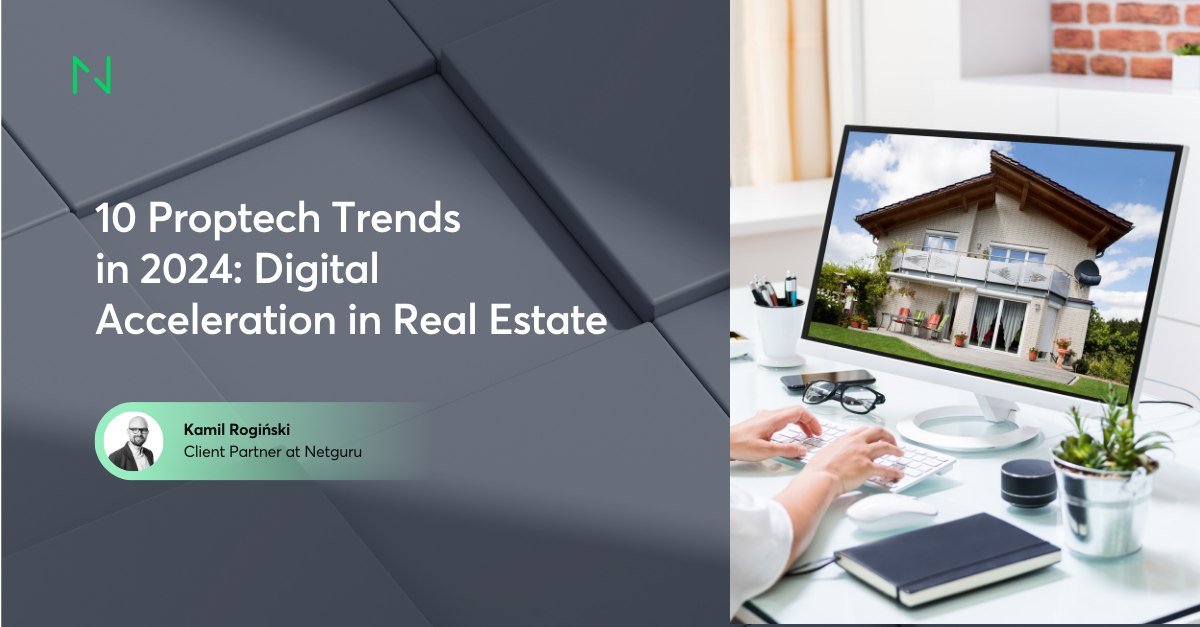
The real estate industry is poised on the brink of a digital revolution, as proptech trends in 2024 promise to reshape the market landscape. After a turbulent period marked by skyrocketing mortgage payments, the sector is now stabilizing, creating fertile ground for technological innovation.
As the cost of living continues to rise, finding an affordable place to call home has become a priority for many Americans. A recent analysis by Norada Real Estate Investments highlights the top 10 cheapest housing markets in the United States for 2024, providing potential homebuyers with economically viable options.
Musk's initiative could significantly reshape the housing market. By offering competitively priced, sustainable homes, the project could inspire other builders to focus on cost-effective, eco-friendly solutions. This shift might also encourage a cultural change, where smaller, more efficient homes gain popularity over traditional larger properties.
The real estate sector in India is experiencing a profound transformation, driven by the rise of remote working. As professionals embrace flexibility, their preferences for living spaces have evolved, impacting both residential and commercial real estate dynamics.
The commercial real estate sector is bracing for a tumultuous year ahead, as it navigates the unpredictable waters of economic uncertainty and fluctuating interest rates.
Non-resident individuals must navigate complex U.S. tax laws and carefully choose suitable holding structures to maximize their investment and minimize risk.