The Aerospace and Defense Industry: A Technological Transformation in 2025

In a year marked by significant geopolitical tensions and a post-pandemic recovery, the aerospace and defense industry is gearing up for a transformative 2025. According to Deloitte’s 2025 Aerospace and Defense Industry Outlook, the sector is set to operationalize a range of advanced technologies, with artificial intelligence (AI) at the forefront.
The commercial air travel sector has bounced back impressively from the COVID-19 downturn, with global air passenger traffic expected to grow by 11.6% in 2024, as per the International Air Transport Association. This recovery is not just a return to form but a springboard for further advancements. The demand for air travel has spurred aerospace companies to integrate AI and digital technologies to enhance aftermarket services and optimize supply chains, addressing persistent challenges such as supply chain disruptions and workforce shortages.
On the defense front, geopolitical tensions have driven countries to increase their defense spending, with expenditures surpassing $2.4 trillion in 2023, according to the Stockholm International Peace Research Institute. This trend is expected to continue, with strategic investments focusing on advanced air mobility (AAM) and unmanned systems. The Biden administration’s request for a $849.8 billion budget for the Department of Defense in fiscal 2025 underscores the priority given to technological innovations in the sector.

AI and Digital Technologies: Revolutionizing Operations

AI is set to revolutionize the industry by enhancing operational efficiency and customer experience. Companies are increasingly comfortable with AI, utilizing it for predictive maintenance, inventory optimization, and resource allocation. The integration of AI into maintenance, repair, and overhaul (MRO) services is expected to extend the operational lifespan of aircraft, ensuring their availability and reliability.

Strategic Spending and Technological Innovations

The industry’s strategic spending is heavily influenced by defense priorities. The space economy, fueled by commercial sector growth, is projected to expand significantly, with positioning, navigating, and timing technologies playing a crucial role. Investments in solid rocket motors and unmanned aerial systems are also on the rise, driven by both military and commercial demands.

Workforce Challenges and Digital Solutions

The aerospace and defense industry faces ongoing challenges in attracting and retaining talent. With an aging workforce and high turnover rates, companies are leveraging digital technologies to enhance traditional talent strategies. Apprenticeship programs and extended reality technologies are being utilized to build a robust talent pipeline and ensure knowledge transfer.

Supply Chain Resilience and Visibility

The complexity of the aerospace and defense supply chain necessitates a focus on resilience and visibility. Companies are working to balance efficiency with the need to secure critical materials and ensure timely delivery of parts and components. The formation of the Aviation Supply Chain Integrity Coalition highlights the industry’s commitment to maintaining the integrity of its supply chain.
As 2025 approaches, the aerospace and defense industry is poised for a year of differentiation through operations. By embracing technological advancements and strategic investments, companies can navigate the challenges of supply chain disruptions and workforce shortages, driving growth and innovation.

More Articles

Getting licensed or staying ahead in your career can be a journey—but it doesn’t have to be overwhelming. Grab your favorite coffee or tea, take a moment to relax, and browse through our articles. Whether you’re just starting out or renewing your expertise, we’ve got tips, insights, and advice to keep you moving forward. Here’s to your success—one sip and one step at a time!

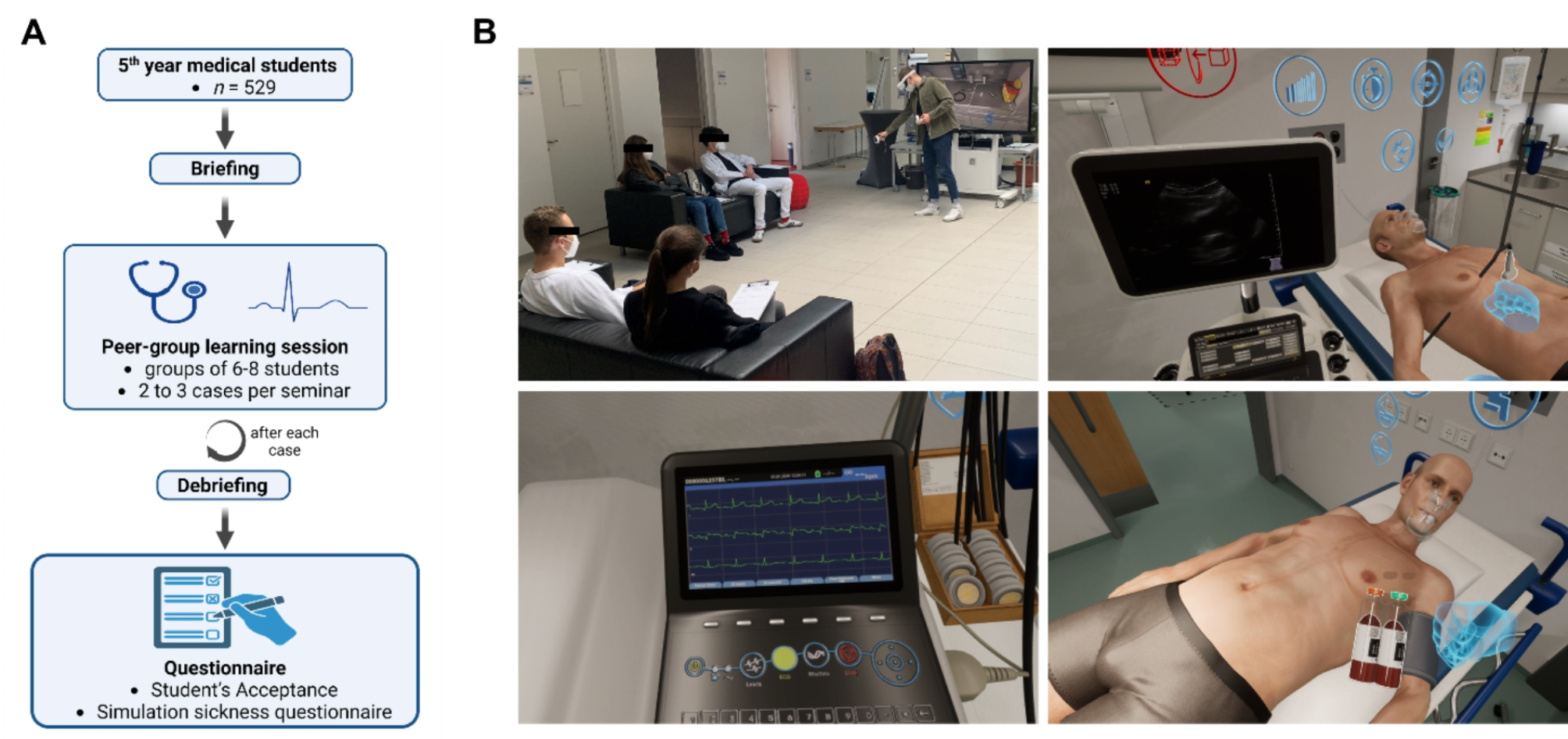
Revolutionizing Medical Training with Virtual Reality

In the rapidly evolving field of medical education, a groundbreaking study has emerged, shedding light on the transformative potential of immersive technologies.

Blockchain Technology: Transforming the Real Estate Landscape

Blockchain offers a streamlined and more secure method of managing property transactions, providing an attractive alternative for investors, developers, and real estate investment trusts.

By |January 20, 2025|Categories: Article, Blockchain Technology, Real Estate Industry|Tags: , |0 Comments

2025 Real Estate Trends in South Korea: A Transformative Landscape

In an era defined by rapid change, South Korea's real estate market is undergoing a transformation that is as dynamic as it is multifaceted. The landscape in 2025 is being reshaped by a confluence of market dynamics, economic impacts, government policies, and technological advancements.

The AI Revolution in Healthcare: Erez Meltzer’s Vision for the Future

Erez Meltzer, CEO of Nanox, is at the forefront of a groundbreaking transformation in healthcare. With over 35 years of leadership experience, Meltzer is steering the industry into an era where artificial intelligence (AI) is reshaping patient care. This evolution goes beyond mere enhancements; it promises truly individualized healthcare on a grand scale.

Predictive Analytics Tools in 2025: Revolutionizing Business Intelligence

Predictive analytics has undergone a significant transformation. Once the domain of specialized data scientists, advancements in AI have democratized these tools, making them user-friendly even for those without technical expertise.

Navigating TikTok: A Realtor’s Guide to Success

Ever wondered how TikTok became the playground for realtors? It's proven itself as a legit tool for branding and lead generation. Learn how to master the basics from setting up your profile to creating captivating videos.


By |January 19, 2025|Categories: Article, Real Estate, Social Media Marketing|Tags: |0 Comments