The Aerospace and Defense Industry: A Technological Transformation in 2025

In a year marked by significant geopolitical tensions and a post-pandemic recovery, the aerospace and defense industry is gearing up for a transformative 2025. According to Deloitte’s 2025 Aerospace and Defense Industry Outlook, the sector is set to operationalize a range of advanced technologies, with artificial intelligence (AI) at the forefront.
The commercial air travel sector has bounced back impressively from the COVID-19 downturn, with global air passenger traffic expected to grow by 11.6% in 2024, as per the International Air Transport Association. This recovery is not just a return to form but a springboard for further advancements. The demand for air travel has spurred aerospace companies to integrate AI and digital technologies to enhance aftermarket services and optimize supply chains, addressing persistent challenges such as supply chain disruptions and workforce shortages.
On the defense front, geopolitical tensions have driven countries to increase their defense spending, with expenditures surpassing $2.4 trillion in 2023, according to the Stockholm International Peace Research Institute. This trend is expected to continue, with strategic investments focusing on advanced air mobility (AAM) and unmanned systems. The Biden administration’s request for a $849.8 billion budget for the Department of Defense in fiscal 2025 underscores the priority given to technological innovations in the sector.

AI and Digital Technologies: Revolutionizing Operations

AI is set to revolutionize the industry by enhancing operational efficiency and customer experience. Companies are increasingly comfortable with AI, utilizing it for predictive maintenance, inventory optimization, and resource allocation. The integration of AI into maintenance, repair, and overhaul (MRO) services is expected to extend the operational lifespan of aircraft, ensuring their availability and reliability.

Strategic Spending and Technological Innovations

The industry’s strategic spending is heavily influenced by defense priorities. The space economy, fueled by commercial sector growth, is projected to expand significantly, with positioning, navigating, and timing technologies playing a crucial role. Investments in solid rocket motors and unmanned aerial systems are also on the rise, driven by both military and commercial demands.

Workforce Challenges and Digital Solutions

The aerospace and defense industry faces ongoing challenges in attracting and retaining talent. With an aging workforce and high turnover rates, companies are leveraging digital technologies to enhance traditional talent strategies. Apprenticeship programs and extended reality technologies are being utilized to build a robust talent pipeline and ensure knowledge transfer.

Supply Chain Resilience and Visibility

The complexity of the aerospace and defense supply chain necessitates a focus on resilience and visibility. Companies are working to balance efficiency with the need to secure critical materials and ensure timely delivery of parts and components. The formation of the Aviation Supply Chain Integrity Coalition highlights the industry’s commitment to maintaining the integrity of its supply chain.
As 2025 approaches, the aerospace and defense industry is poised for a year of differentiation through operations. By embracing technological advancements and strategic investments, companies can navigate the challenges of supply chain disruptions and workforce shortages, driving growth and innovation.

More Articles

Getting licensed or staying ahead in your career can be a journey—but it doesn’t have to be overwhelming. Grab your favorite coffee or tea, take a moment to relax, and browse through our articles. Whether you’re just starting out or renewing your expertise, we’ve got tips, insights, and advice to keep you moving forward. Here’s to your success—one sip and one step at a time!

2025 Commercial Real Estate Outlook: Navigating a New Era

The commercial real estate landscape is on the brink of transformation as leaders seek to navigate the challenges of recent years and position their organizations for future opportunities.

The Emerging Mental Health Crisis Among Healthcare Workers During the COVID-19 Pandemic

The pandemic has ushered in a wave of mental health challenges that affect healthcare workers profoundly. From the onset of COVID-19, these professionals have been at the forefront, facing immense pressure, long hours, and the constant fear of exposure.

By |December 18, 2024|Categories: Article, Healthcare Workers, Mental Health|Tags: , |0 Comments

Ethical Concerns of Large Language Models in Healthcare

Exploring the dual nature of LLMs offers substantial benefits in healthcare but also raises significant ethical concerns, underscoring the need for well-defined guidelines and human oversight.

The Role of Wearable Devices in Chronic Disease Monitoring and Patient Care: A Comprehensive Review

Wearable devices have become integral in managing chronic conditions by providing continuous health data, empowering patients and healthcare professionals with insights that were previously unattainable.

AI Training Mandates: Navigating Legal Waters in Dentistry

The integration of artificial intelligence (AI) into dental practices is more than a technological trend; it represents a seismic shift in the industry. This transformation is reshaping skill sets and prompting a thorough examination of legal and ethical implications.

By |December 17, 2024|Categories: Article, Legal, Technology|Tags: , |0 Comments

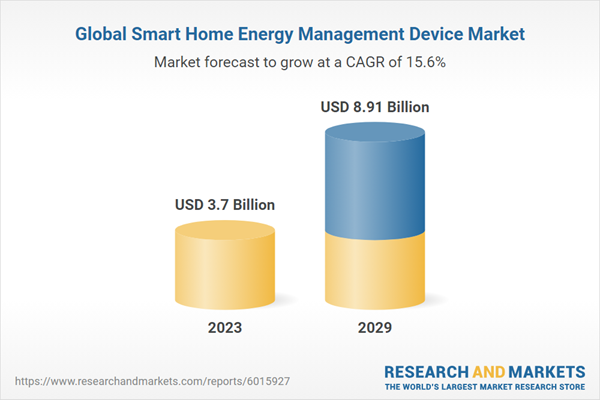
Smart Home Energy Management Devices: A Market Poised for Growth

The Global Smart Home Energy Management Device Market is on the brink of a significant transformation, driven by escalating demands for energy-efficient solutions and the increasing adoption of smart home technologies.