The Aerospace and Defense Industry: A Technological Transformation in 2025

In a year marked by significant geopolitical tensions and a post-pandemic recovery, the aerospace and defense industry is gearing up for a transformative 2025. According to Deloitte’s 2025 Aerospace and Defense Industry Outlook, the sector is set to operationalize a range of advanced technologies, with artificial intelligence (AI) at the forefront.
The commercial air travel sector has bounced back impressively from the COVID-19 downturn, with global air passenger traffic expected to grow by 11.6% in 2024, as per the International Air Transport Association. This recovery is not just a return to form but a springboard for further advancements. The demand for air travel has spurred aerospace companies to integrate AI and digital technologies to enhance aftermarket services and optimize supply chains, addressing persistent challenges such as supply chain disruptions and workforce shortages.
On the defense front, geopolitical tensions have driven countries to increase their defense spending, with expenditures surpassing $2.4 trillion in 2023, according to the Stockholm International Peace Research Institute. This trend is expected to continue, with strategic investments focusing on advanced air mobility (AAM) and unmanned systems. The Biden administration’s request for a $849.8 billion budget for the Department of Defense in fiscal 2025 underscores the priority given to technological innovations in the sector.

AI and Digital Technologies: Revolutionizing Operations

AI is set to revolutionize the industry by enhancing operational efficiency and customer experience. Companies are increasingly comfortable with AI, utilizing it for predictive maintenance, inventory optimization, and resource allocation. The integration of AI into maintenance, repair, and overhaul (MRO) services is expected to extend the operational lifespan of aircraft, ensuring their availability and reliability.

Strategic Spending and Technological Innovations

The industry’s strategic spending is heavily influenced by defense priorities. The space economy, fueled by commercial sector growth, is projected to expand significantly, with positioning, navigating, and timing technologies playing a crucial role. Investments in solid rocket motors and unmanned aerial systems are also on the rise, driven by both military and commercial demands.

Workforce Challenges and Digital Solutions

The aerospace and defense industry faces ongoing challenges in attracting and retaining talent. With an aging workforce and high turnover rates, companies are leveraging digital technologies to enhance traditional talent strategies. Apprenticeship programs and extended reality technologies are being utilized to build a robust talent pipeline and ensure knowledge transfer.

Supply Chain Resilience and Visibility

The complexity of the aerospace and defense supply chain necessitates a focus on resilience and visibility. Companies are working to balance efficiency with the need to secure critical materials and ensure timely delivery of parts and components. The formation of the Aviation Supply Chain Integrity Coalition highlights the industry’s commitment to maintaining the integrity of its supply chain.
As 2025 approaches, the aerospace and defense industry is poised for a year of differentiation through operations. By embracing technological advancements and strategic investments, companies can navigate the challenges of supply chain disruptions and workforce shortages, driving growth and innovation.

More Articles

Getting licensed or staying ahead in your career can be a journey—but it doesn’t have to be overwhelming. Grab your favorite coffee or tea, take a moment to relax, and browse through our articles. Whether you’re just starting out or renewing your expertise, we’ve got tips, insights, and advice to keep you moving forward. Here’s to your success—one sip and one step at a time!

Artificial Intelligence in Diagnostics: A Revolution in Healthcare

The global market for artificial intelligence in diagnostics is poised for remarkable growth, with projections estimating it to reach USD 7.3 billion by 2032.

By |December 10, 2024|Categories: Article, Artificial Intelligence, Healthcare|Tags: , |0 Comments

Revolutionizing Medical Education with Extended Reality

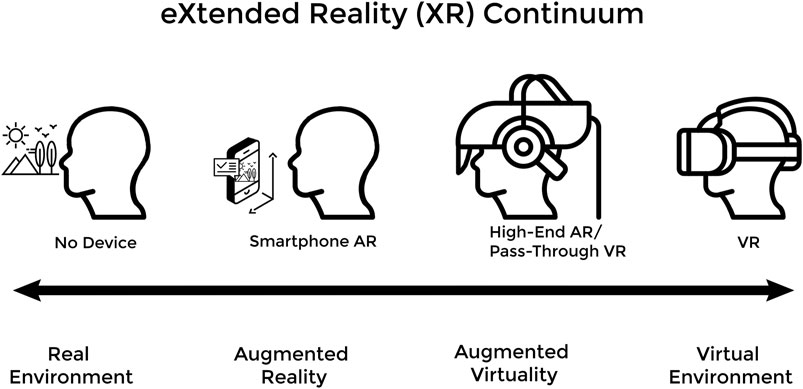
In the ever-evolving landscape of medical education, a new player has emerged, promising to revolutionize the way future doctors are trained. The integration of eXtended Reality (XR) technologies is reshaping the educational landscape by addressing the limitations of traditional methods.

Genetic Testing: A New Dawn in Healthcare

Genetic testing represents more than just a scientific advancement; it signifies a fundamental shift in how we approach health and wellness.

Sustainable Architecture: Blending Innovation with Ecological Responsibility

The journey toward sustainable architecture is ongoing, with each project serving as a beacon of what's achievable when creativity meets ecological awareness.

By |December 9, 2024|Categories: Architecture, Article, Sustainability|Tags: |0 Comments

AI in Clinical and Molecular Diagnostics: A Market on the Rise

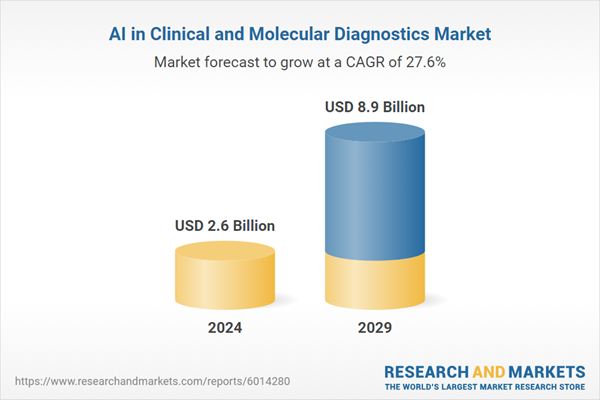
AI in Clinical and Molecular Diagnostics Market is set to experience remarkable growth, projected to surge from USD 2.6 billion in 2024 to USD 8.9 billion by 2029. This growth is driven by the integration of advanced AI technologies such as machine learning and deep learning into traditional diagnostic methodologies like imaging, genomics, and laboratory testing.

AI: A Revolution in Healthcare’s Future

AI is not a distant dream but a present reality, already integrated into everyday life through virtual assistants like Alexa and Siri. AI shows promise in enhancing medical accuracy, such as in predicting mesothelioma survival and improving colonoscopy accuracy, it is not intended to replace healthcare professionals.