The integration of artificial intelligence (AI) within healthcare is fundamentally altering how healthcare is delivered and perceived. As technology continues to advance, the ripple effects of AI ensure improvements across multiple facets of healthcare systems—diagnostics, treatment planning, patient management, administrative functions, and data analysis—leading to enhanced patient care and operational efficiencies.

Revolution in Diagnosis and Treatment Planning

AI’s capacity for enhancing diagnostics is creating new paradigms, where diseases are detected with unprecedented speed and accuracy. Notably, AI algorithms can analyze medical images for patterns that evade traditional methods, such as in the case of breast cancer where detection rates have reached an impressive 94.5% accuracy, significantly outpacing traditional approaches. Beyond diagnosis, AI supports the formulation of individualized treatment plans by evaluating a patient’s medical history, lifestyle, and genetic profile.

Enhanced Patient Satisfaction and Engagement

AI-driven tools, including virtual health assistants and chatbots, have become integral in empowering patients to manage their healthcare effectively. Offering 24/7 access to healthcare information, these tools provide answers to queries, appointment reminders, and scheduling services, thereby promoting higher levels of patient engagement and satisfaction. Furthermore, AI chatbots manage over 70% of medication inquiries, freeing up healthcare professionals to focus on more complex patient needs.

Streamlining Administrative Processes

In the realm of healthcare administration, AI serves as a catalyst for productivity, simplifying tasks such as scheduling, billing, and data entry. This results in fewer errors and reduced operational costs. Studies have shown that the introduction of AI into administrative tasks can lead to a 30% increase in productivity, allowing healthcare providers to dedicate more resources to patient care.

Harnessing Predictive Insights for Better Outcomes

The ability of AI to analyze large datasets from clinical trials and medical records enables the detection of trends and the anticipation of disease outbreaks. This predictive analytic capability not only aids in early disease detection but also informs responsive public health strategies, thereby enhancing health outcomes and resource allocation.

Support for Health Professionals

Importantly, AI is designed to assist rather than replace healthcare professionals. While AI can provide valuable insights and pattern recognition, the intuition and expertise of physicians remain paramount. AI complements the decision-making process, allowing healthcare providers to make more informed decisions.

In conclusion, AI stands as a transformative force in the healthcare industry, facilitating diagnostic precision, patient-centered care, and efficient data management. The future promises a continued evolution in healthcare delivery, driven by AI’s capacity to offer personalized, efficient, and responsive services across the board.

More Articles

Getting licensed or staying ahead in your career can be a journey—but it doesn’t have to be overwhelming. Grab your favorite coffee or tea, take a moment to relax, and browse through our articles. Whether you’re just starting out or renewing your expertise, we’ve got tips, insights, and advice to keep you moving forward. Here’s to your success—one sip and one step at a time!

Revolutionizing Radiology: AI’s Impact on Diagnostics

AI-powered tools are enhancing the speed and accuracy of diagnoses, significantly benefiting patient outcomes, especially in resource-constrained environments.

By |November 26, 2024|Categories: Article, Artificial Intelligence, Healthcare|Tags: |0 Comments

Exploring the Shifting Landscape of Real Estate in 2024

The real estate market is undergoing significant transformations as we step into 2024, with several trends reshaping the industry. This analysis delves into the top nine trends that are expected to impact the real estate sector this year.

By |November 26, 2024|Categories: Article, Market Trends, Real Estate|Tags: , |0 Comments

AI Revolutionizing Clinical and Molecular Diagnostics

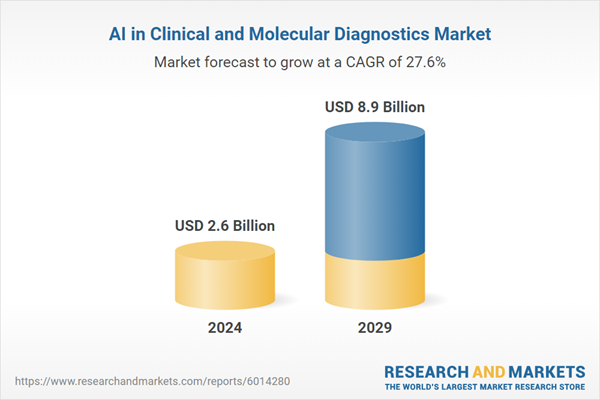
In a groundbreaking development, the market for AI in clinical and molecular diagnostics is set to experience a phenomenal growth trajectory, projected to skyrocket from USD 2.6 billion in 2024 to USD 8.9 billion by 2029 with a robust CAGR of 27.6%.

2025 Banking and Capital Markets Outlook: Navigating Low-Growth Challenges

The overarching goal for banks will be to adapt adeptly to macroeconomic shifts and regulatory implementations such as the Basel III Endgame re-proposal, which calls for strategic recalibration to ensure compliance without sacrificing growth.

CRISPR Technology Market Poised for Remarkable Growth to USD 12,461 Million by 2031

The CRISPR technology market, valued at USD 3,642.1 million in 2024, is anticipated to soar to USD 12,461 million by 2031, marking a robust CAGR of 19.2%.

By |November 25, 2024|Categories: Article, Biotechnology, Healthcare|Tags: , |0 Comments

Mortgage Rates Rise: A Window for Buyers Amid a Cloudy Future

Mortgage rates are climbing, with the 30-year fixed mortgage rate now at 6.64% and the 15-year fixed rate at 5.98%. This increase suggests a challenging landscape for potential refinancing, but a possible opportunity for homebuyers as competition wanes during the holiday season.


By |November 24, 2024|Categories: Article, Finance, Real Estate|Tags: , |0 Comments