The integration of artificial intelligence (AI) within healthcare is fundamentally altering how healthcare is delivered and perceived. As technology continues to advance, the ripple effects of AI ensure improvements across multiple facets of healthcare systems—diagnostics, treatment planning, patient management, administrative functions, and data analysis—leading to enhanced patient care and operational efficiencies.

Revolution in Diagnosis and Treatment Planning

AI’s capacity for enhancing diagnostics is creating new paradigms, where diseases are detected with unprecedented speed and accuracy. Notably, AI algorithms can analyze medical images for patterns that evade traditional methods, such as in the case of breast cancer where detection rates have reached an impressive 94.5% accuracy, significantly outpacing traditional approaches. Beyond diagnosis, AI supports the formulation of individualized treatment plans by evaluating a patient’s medical history, lifestyle, and genetic profile.

Enhanced Patient Satisfaction and Engagement

AI-driven tools, including virtual health assistants and chatbots, have become integral in empowering patients to manage their healthcare effectively. Offering 24/7 access to healthcare information, these tools provide answers to queries, appointment reminders, and scheduling services, thereby promoting higher levels of patient engagement and satisfaction. Furthermore, AI chatbots manage over 70% of medication inquiries, freeing up healthcare professionals to focus on more complex patient needs.

Streamlining Administrative Processes

In the realm of healthcare administration, AI serves as a catalyst for productivity, simplifying tasks such as scheduling, billing, and data entry. This results in fewer errors and reduced operational costs. Studies have shown that the introduction of AI into administrative tasks can lead to a 30% increase in productivity, allowing healthcare providers to dedicate more resources to patient care.

Harnessing Predictive Insights for Better Outcomes

The ability of AI to analyze large datasets from clinical trials and medical records enables the detection of trends and the anticipation of disease outbreaks. This predictive analytic capability not only aids in early disease detection but also informs responsive public health strategies, thereby enhancing health outcomes and resource allocation.

Support for Health Professionals

Importantly, AI is designed to assist rather than replace healthcare professionals. While AI can provide valuable insights and pattern recognition, the intuition and expertise of physicians remain paramount. AI complements the decision-making process, allowing healthcare providers to make more informed decisions.

In conclusion, AI stands as a transformative force in the healthcare industry, facilitating diagnostic precision, patient-centered care, and efficient data management. The future promises a continued evolution in healthcare delivery, driven by AI’s capacity to offer personalized, efficient, and responsive services across the board.

More Articles

Getting licensed or staying ahead in your career can be a journey—but it doesn’t have to be overwhelming. Grab your favorite coffee or tea, take a moment to relax, and browse through our articles. Whether you’re just starting out or renewing your expertise, we’ve got tips, insights, and advice to keep you moving forward. Here’s to your success—one sip and one step at a time!

Phoenix Housing Market Surges Ahead of the Nation in 2025

The Phoenix housing market continues to outperform the rest of the country, posting stronger sales, rising equity, and an influx of qualified buyers. With closed sales, pending sales, new listings, and median prices all trending upward, the Valley is outpacing national growth by a wide margin. City‑level data shows impressive strength across Scottsdale, Goodyear, Gilbert, Phoenix, and more—making 2025 a powerful year for agents, investors, and professionals watching the Arizona market.

20 High-Demand Jobs to Watch as 2026 Approaches — Major Events Are Fueling New Opportunities

With the 2026 FIFA World Cup and America’s 250th birthday celebrations on the horizon, the U.S. job market is gearing up for a surge across multiple industries. Seasonal, flexible, and part‑time roles are expected to rise—especially for workers 50+ who have struggled in a cooling labor market. From accounting and HR leadership to event staffing and delivery driving, major cities are preparing for increased hiring tied to tourism, infrastructure, and yearlong national celebrations. Many of these fast‑growing roles connect directly to licensing and certification pathways, giving professionals new chances to pivot or upskill through programs offered by Cameron Academy.

New Florida Laws Taking Effect January 1, 2026: Key Updates for Professionals

Florida is rolling out a new wave of laws on January 1, 2026 that will impact professionals in real estate, insurance, healthcare, education, and other regulated industries. From new insurance rules and healthcare billing requirements to condo association deadlines and statewide databases, these updates reshape compliance expectations across the state. Whether you work in property, finance, or public‑facing services, understanding these changes is essential for staying aligned with Florida’s evolving regulations.

Commercial Real Estate Pros Are Almost All Bullish on 2026

Nearly every commercial real estate professional is expecting a stronger year ahead, with 97% predicting increased or stable activity in 2026, according to Avison Young’s latest outlook. Confidence has surged dramatically since mid‑2025 as strong sales, anticipated rate cuts, and improving fundamentals across key sectors signal that CRE recovery and growth may finally be taking hold.

Dallas‑Fort Worth’s 2025 Boom: The Metroplex Redefining U.S. Growth

Dallas‑Fort Worth is finishing 2025 as the nation’s top real estate and business powerhouse, fueled by corporate relocations, a dominant industrial sector, infrastructure megaprojects, and a rapidly evolving workforce landscape. From data center expansion to the launch of the DART Silver Line, the region continues to outpace national trends—while also confronting a growing demand for skilled professionals and licensed talent across construction, real estate, and technical fields.

FEMA and NJDEP Unveil New Morris County Flood Maps, Triggering Key Changes for Property Owners and Professionals

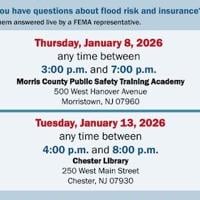
FEMA and the NJDEP have released revised preliminary flood maps for Morris County, reshaping how homeowners, real estate agents, insurers, and mortgage professionals assess flood risk. The updated FIRMs may shift properties into or out of higher‑risk zones, affecting insurance requirements, closing processes, and long‑term property values. With public review and appeals ahead, industry professionals are urged to study the changes now and prepare clients for potential impacts.