The promise of artificial intelligence (AI) in the field of oncology is nothing short of revolutionary. As the world grapples with the complexities of cancer, AI is emerging as a potential game-changer in diagnostics, treatment personalization, and drug discovery. However, this technological marvel also raises the question: is AI in oncology truly transformative, or is it just another bubble waiting to burst?
According to Labiotech.eu, the integration of AI into oncology is reshaping our understanding of cancer care. This transformation is evident in the strides made in cancer diagnostics, particularly in radiology, where AI’s advanced image analytics are enhancing early detection capabilities. Ryan Schoenfeld, CEO of the Mark Foundation for Cancer Research, emphasizes AI’s ability to analyze scans with unprecedented speed and accuracy.
Yet, not everyone is convinced of AI’s superiority. Philip Lieberman of Analog Informatics points out that while AI may not surpass human technicians in accuracy, its consistency and ability to identify subtle artifacts make it a valuable adjunct technology, especially in underserved regions.
AI’s Role in Drug Discovery
AI’s potential extends beyond diagnostics, significantly impacting drug discovery. Traditional drug development is a lengthy and complex process, but AI tools like DeepMind’s AlphaFold have accelerated the identification of new therapeutic targets by predicting protein structures with remarkable precision. This capability has been pivotal in developing drugs such as BBO-8520, targeting KRAS mutations, which reached clinical trials in record time.
Moreover, companies like Exscientia are utilizing AI to fast-track the discovery of oncology treatments, achieving milestones in months rather than years. The collaboration between AI and drug discovery is paving the way for a new era of precision medicine.
Precision Oncology and Personalized Treatment
The future of cancer treatment lies in precision oncology, where AI’s ability to analyze vast datasets enables the creation of personalized treatment plans. Although experts like Jason Williams from the Williams Cancer Institute acknowledge that we are not fully there yet, the potential for AI to tailor therapies based on individual patient profiles is undeniable.
Recent studies, such as those conducted by Oxford University, showcase AI’s capacity to develop adaptive therapy schedules, significantly delaying cancer relapse.
Challenges and Future Prospects
Despite the promising advancements, the integration of AI in oncology is not without challenges. Regulatory frameworks, such as the European Commission’s AI Liability Directive, are still evolving, leaving uncertainties in accountability and liability. Moreover, the complexity and opacity of AI systems, often referred to as “black boxes,” demand greater transparency and explainability.
Ethical concerns also arise, particularly regarding bias in AI models trained on non-representative data. Addressing these issues is crucial for AI to realize its full potential in cancer care.
The Road Ahead
As we look to the future, AI’s role in oncology is poised to expand further. Experts predict advancements in predicting immune responses, creating designer proteins, and leveraging large language models for predictive analytics. The intersection of AI and biology promises a new frontier in personalized, precise, and predictive medicine.
While the hype surrounding AI in oncology may warrant caution, the tangible contributions it is making cannot be overlooked. The journey toward fully harnessing AI’s potential in cancer treatment is ongoing, and the best is indeed yet to come.
More Articles
Getting licensed or staying ahead in your career can be a journey—but it doesn’t have to be overwhelming. Grab your favorite coffee or tea, take a moment to relax, and browse through our articles. Whether you’re just starting out or renewing your expertise, we’ve got tips, insights, and advice to keep you moving forward. Here’s to your success—one sip and one step at a time!
A growing share of American homeowners now carry mortgage rates above 5%—a dramatic shift that’s reshaping refinancing, inventory, and buyer behavior nationwide. With more than 30% of borrowers locked into rates over 5% and 20% above 6%, the market is split between owners holding on to low pandemic‑era loans and new buyers taking on higher‑rate mortgages. Federal efforts to push rates down could unlock millions of refinancing opportunities, while buyers see only modest monthly savings. For real estate professionals, understanding these rate dynamics is crucial as they increasingly drive inventory levels, affordability, and market activity.
New Moody’s data shows commercial real estate deal volume slipped 20% in December, marking a second monthly decline. Yet the full year tells a different story: 2025 ended with a 17% gain, signaling a quiet but resilient recovery. The biggest surprise came from the office sector, which posted a 21% jump in activity as return‑to‑office trends and AI‑driven job growth boosted demand. Multifamily, retail, and alternative assets like data centers also saw strong momentum, giving real estate professionals a market full of fresh opportunities heading into 2026.
Florida drivers and industry professionals are heading into 2026 with good news: auto insurance rates are dropping across the state as the market shows strong signs of stabilization. USAA leads the latest wave with a 7% average rate decrease expected in May 2026, saving members more than $125 million annually. They join several major insurers — including State Farm, Progressive, AAA, Allstate, and Florida Farm Bureau — all approving significant reductions. Officials credit recent legislative reforms, especially tort reform, for the improved loss ratios and renewed insurer confidence. With both auto and home insurance markets strengthening, Florida’s real estate, mortgage, and insurance professionals can expect more consumer confidence, smoother transactions, and expanding career opportunities.
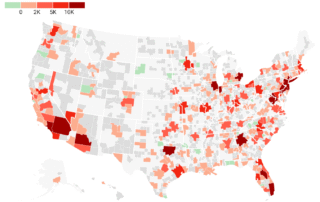
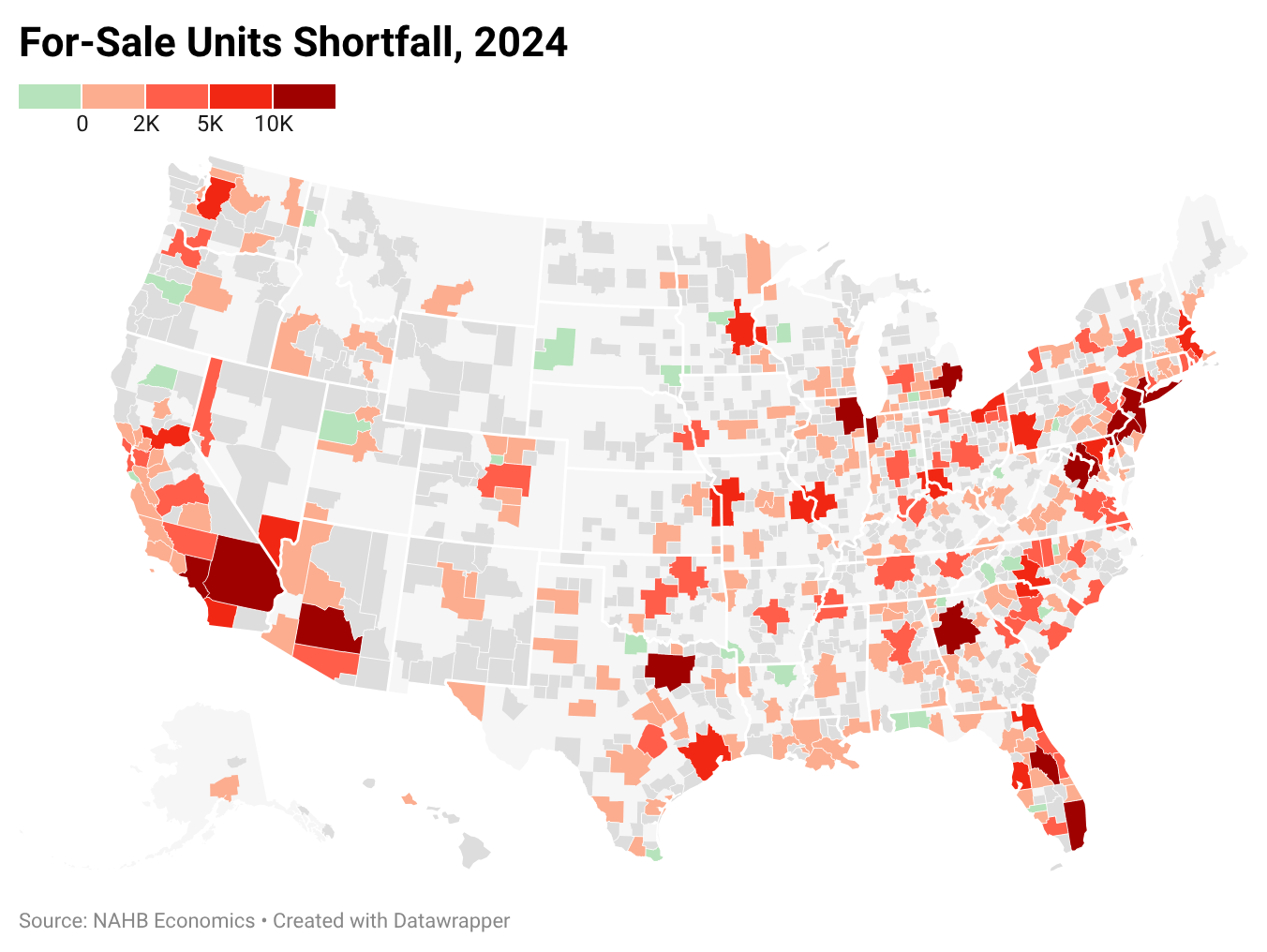
New data from Eye On Housing and the NAHB shows the U.S. remains short more than 1.2 million housing units, keeping pressure on both rents and home prices. Record‑low vacancy rates, slow single‑family construction, and restrictive zoning continue to fuel intense competition in 2024. Major metros like Chicago, New York, and Atlanta face some of the deepest deficits, and the true nationwide shortfall may be even higher when accounting for overcrowding and aging homes. For real estate professionals, the ongoing shortage means sustained demand, tighter inventory, and major opportunities for those who understand the evolving market.
Top real estate coach Jason Pantana says the divide between agents today isn’t about who has “tried” AI — it’s about who is immersed in it. In a new HousingWire interview, he explains why AI isn’t a gimmick but a full business system that amplifies output, improves authenticity, and reshapes how clients search for agents. From prompt mastery to AI‑driven visibility on Google, Pantana reveals how agents who commit even 15 minutes a day to learning AI are already outperforming those who hesitate.
Dallas–Fort Worth’s commercial real estate market closed 2025 with a split personality. Industrial dominated with massive new deliveries and soaring leasing demand, retail held steady with some of the market’s strongest fundamentals in years, and office continued to falter under remote‑work pressures. High vacancies, weak absorption, and rising demand for top‑tier space show the sector’s ongoing reset. Meanwhile, industrial and retail strength position the Metroplex for another powerhouse year heading into 2026.