The promise of artificial intelligence (AI) in the field of oncology is nothing short of revolutionary. As the world grapples with the complexities of cancer, AI is emerging as a potential game-changer in diagnostics, treatment personalization, and drug discovery. However, this technological marvel also raises the question: is AI in oncology truly transformative, or is it just another bubble waiting to burst?
According to Labiotech.eu, the integration of AI into oncology is reshaping our understanding of cancer care. This transformation is evident in the strides made in cancer diagnostics, particularly in radiology, where AI’s advanced image analytics are enhancing early detection capabilities. Ryan Schoenfeld, CEO of the Mark Foundation for Cancer Research, emphasizes AI’s ability to analyze scans with unprecedented speed and accuracy.
Yet, not everyone is convinced of AI’s superiority. Philip Lieberman of Analog Informatics points out that while AI may not surpass human technicians in accuracy, its consistency and ability to identify subtle artifacts make it a valuable adjunct technology, especially in underserved regions.
AI’s Role in Drug Discovery
AI’s potential extends beyond diagnostics, significantly impacting drug discovery. Traditional drug development is a lengthy and complex process, but AI tools like DeepMind’s AlphaFold have accelerated the identification of new therapeutic targets by predicting protein structures with remarkable precision. This capability has been pivotal in developing drugs such as BBO-8520, targeting KRAS mutations, which reached clinical trials in record time.
Moreover, companies like Exscientia are utilizing AI to fast-track the discovery of oncology treatments, achieving milestones in months rather than years. The collaboration between AI and drug discovery is paving the way for a new era of precision medicine.
Precision Oncology and Personalized Treatment
The future of cancer treatment lies in precision oncology, where AI’s ability to analyze vast datasets enables the creation of personalized treatment plans. Although experts like Jason Williams from the Williams Cancer Institute acknowledge that we are not fully there yet, the potential for AI to tailor therapies based on individual patient profiles is undeniable.
Recent studies, such as those conducted by Oxford University, showcase AI’s capacity to develop adaptive therapy schedules, significantly delaying cancer relapse.
Challenges and Future Prospects
Despite the promising advancements, the integration of AI in oncology is not without challenges. Regulatory frameworks, such as the European Commission’s AI Liability Directive, are still evolving, leaving uncertainties in accountability and liability. Moreover, the complexity and opacity of AI systems, often referred to as “black boxes,” demand greater transparency and explainability.
Ethical concerns also arise, particularly regarding bias in AI models trained on non-representative data. Addressing these issues is crucial for AI to realize its full potential in cancer care.
The Road Ahead
As we look to the future, AI’s role in oncology is poised to expand further. Experts predict advancements in predicting immune responses, creating designer proteins, and leveraging large language models for predictive analytics. The intersection of AI and biology promises a new frontier in personalized, precise, and predictive medicine.
While the hype surrounding AI in oncology may warrant caution, the tangible contributions it is making cannot be overlooked. The journey toward fully harnessing AI’s potential in cancer treatment is ongoing, and the best is indeed yet to come.
More Articles
Getting licensed or staying ahead in your career can be a journey—but it doesn’t have to be overwhelming. Grab your favorite coffee or tea, take a moment to relax, and browse through our articles. Whether you’re just starting out or renewing your expertise, we’ve got tips, insights, and advice to keep you moving forward. Here’s to your success—one sip and one step at a time!
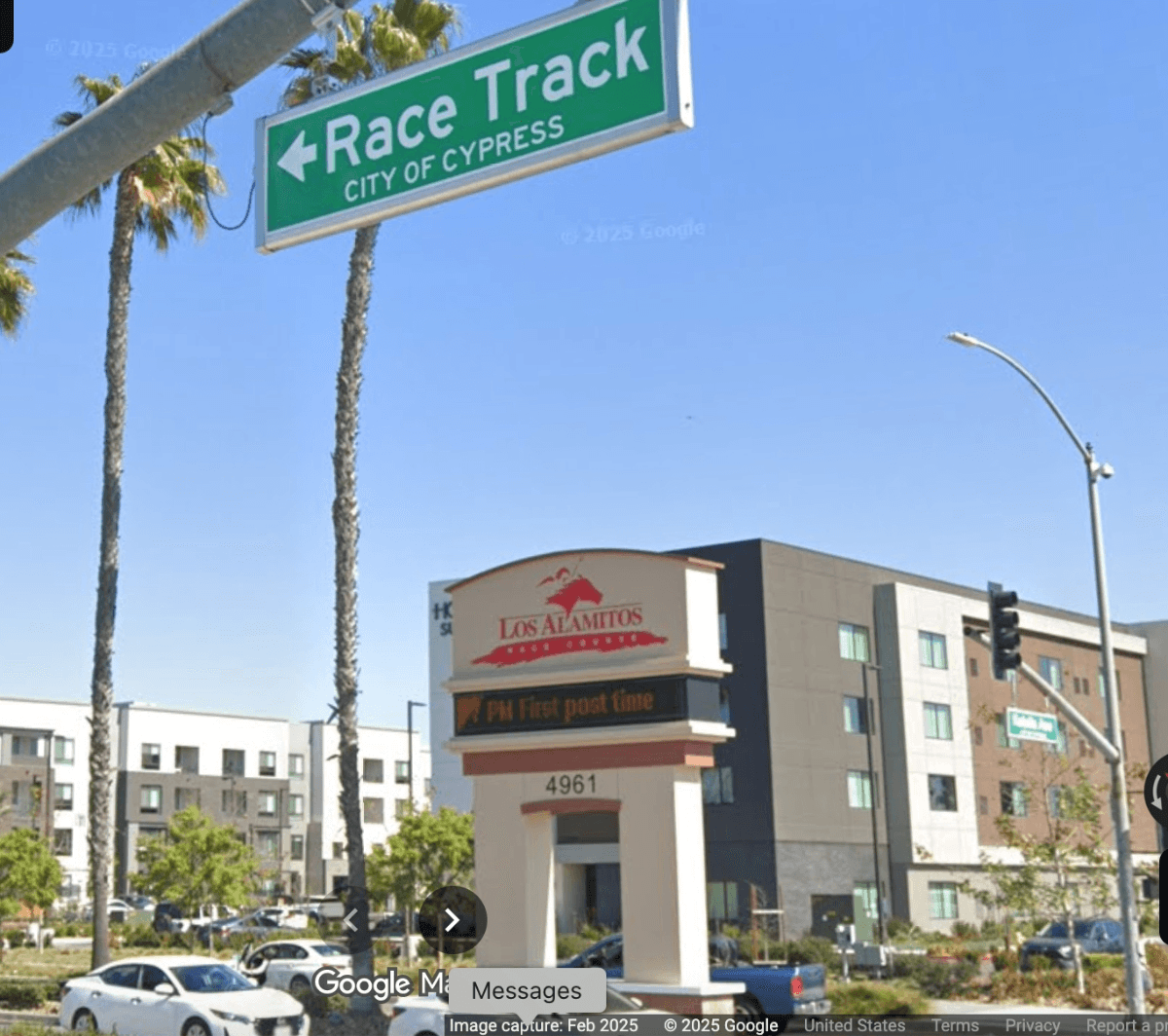
Los Alamitos Race Course is facing its most serious crisis in years after 18 horses died in 2025, prompting regulators to warn the track that its racing license is at risk without immediate safety reforms. Following three catastrophic injuries in a single day, the California Horse Racing Board has ordered urgent changes—including more veterinarians, stricter medication rules, and enhanced on‑track medical support—as pressure mounts for stronger oversight in a sport already under national scrutiny.
Canadian investors have poured more than US$5.8 billion into U.S. commercial real estate this year, making the U.S. their top destination even amid a lingering tariff dispute. Tight inventory in Canada and greater deal availability south of the border are driving the trend, with data centers and industrial properties emerging as the hottest targets for 2025.
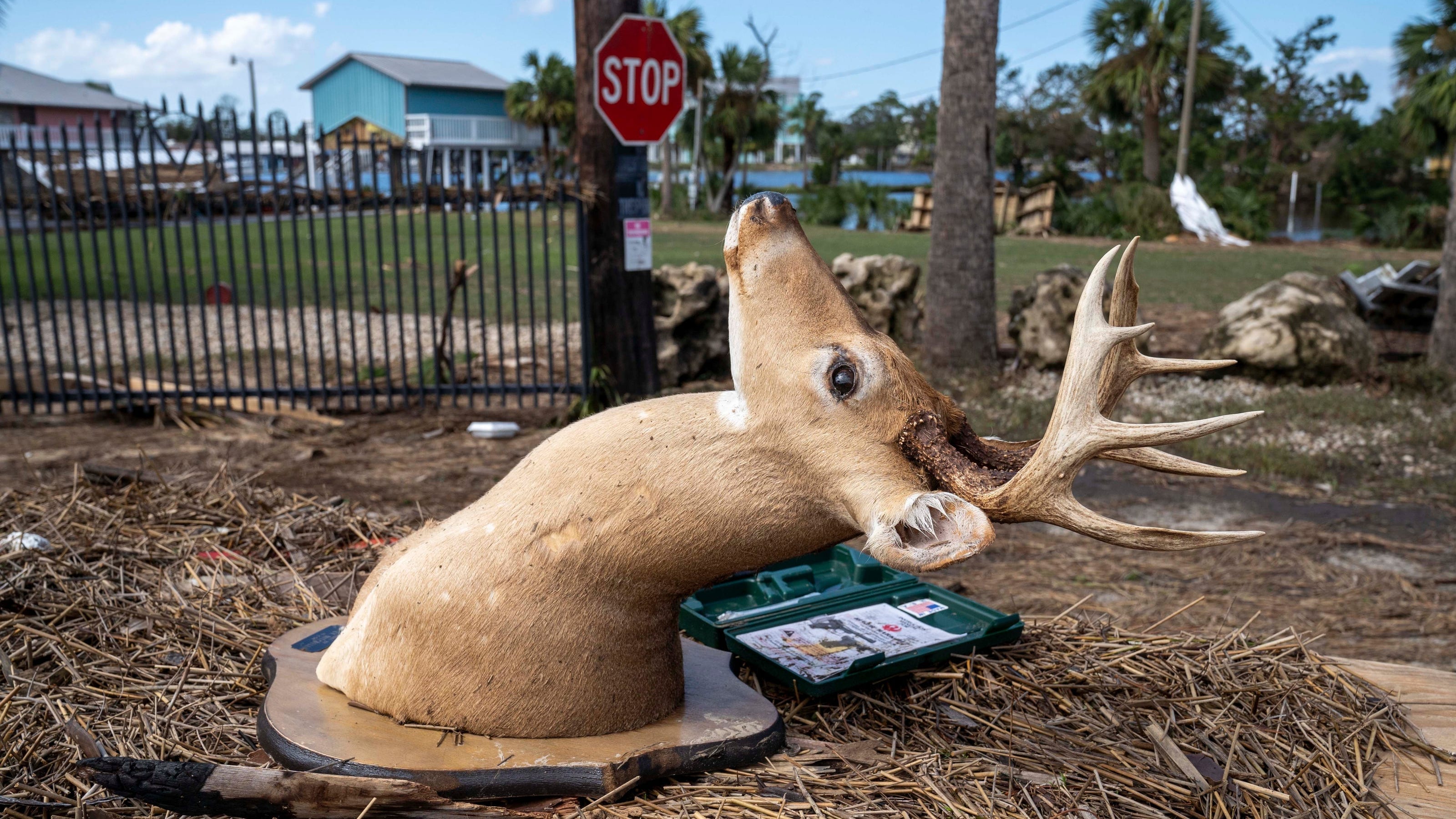
Florida’s insurance commissioner says even industry pros struggle to read today’s 150‑page homeowners policies—leaving residents shocked when hurricane claims are denied. With rising premiums, high replacement costs, and widespread confusion over exclusions like flood and water damage, the state is pushing for simpler, clearer policy language so homeowners know what they’re actually covered for before the next storm hits.
Following the 2025 elections, major metros like New York, Chicago, Miami, Los Angeles, and Boston are implementing policy shifts that could reshape property values, rental income, development timelines, and investment strategy heading into 2026. From New York’s push toward aggressive rent reform to Chicago’s sustainability mandates and Miami’s uncertain mayoral runoff, these changes signal a new era where local politics increasingly dictate market performance. This breakdown highlights the biggest post‑election real estate pivots and what they mean for investors, agents, and finance professionals preparing for a rapidly evolving landscape.
Florida’s Insurance Commissioner is sounding the alarm after thousands of homeowners discovered—only after hurricanes Helene and Milton—that the coverage they thought they had didn’t exist. With nearly 150,000 unpaid claims tied to misunderstood flood exclusions, water‑damage caps, and buried policy clauses, state leaders are pushing to simplify the dense, confusing documents most Floridians never read. As insurance costs remain one of the state’s top concerns, this growing complexity is creating a massive opportunity for real estate, mortgage, and insurance professionals to guide consumers before disaster strikes.
Florida’s insurance market is reliving an old crisis under a new name. Despite reforms meant to stabilize the system, homeowners are being forced out of Citizens and into pricier policies from small insurers with shaky financial histories. Companies tied to past insolvencies are returning with fresh branding, while highly rated carriers continue to deny a majority of claims. With political influence muddying regulation and climate risks rising, experts warn that only a full structural overhaul—not cosmetic reforms—can restore confidence for homeowners, agents, and the entire real estate market.