The promise of artificial intelligence (AI) in the field of oncology is nothing short of revolutionary. As the world grapples with the complexities of cancer, AI is emerging as a potential game-changer in diagnostics, treatment personalization, and drug discovery. However, this technological marvel also raises the question: is AI in oncology truly transformative, or is it just another bubble waiting to burst?
According to Labiotech.eu, the integration of AI into oncology is reshaping our understanding of cancer care. This transformation is evident in the strides made in cancer diagnostics, particularly in radiology, where AI’s advanced image analytics are enhancing early detection capabilities. Ryan Schoenfeld, CEO of the Mark Foundation for Cancer Research, emphasizes AI’s ability to analyze scans with unprecedented speed and accuracy.
Yet, not everyone is convinced of AI’s superiority. Philip Lieberman of Analog Informatics points out that while AI may not surpass human technicians in accuracy, its consistency and ability to identify subtle artifacts make it a valuable adjunct technology, especially in underserved regions.
AI’s Role in Drug Discovery
AI’s potential extends beyond diagnostics, significantly impacting drug discovery. Traditional drug development is a lengthy and complex process, but AI tools like DeepMind’s AlphaFold have accelerated the identification of new therapeutic targets by predicting protein structures with remarkable precision. This capability has been pivotal in developing drugs such as BBO-8520, targeting KRAS mutations, which reached clinical trials in record time.
Moreover, companies like Exscientia are utilizing AI to fast-track the discovery of oncology treatments, achieving milestones in months rather than years. The collaboration between AI and drug discovery is paving the way for a new era of precision medicine.
Precision Oncology and Personalized Treatment
The future of cancer treatment lies in precision oncology, where AI’s ability to analyze vast datasets enables the creation of personalized treatment plans. Although experts like Jason Williams from the Williams Cancer Institute acknowledge that we are not fully there yet, the potential for AI to tailor therapies based on individual patient profiles is undeniable.
Recent studies, such as those conducted by Oxford University, showcase AI’s capacity to develop adaptive therapy schedules, significantly delaying cancer relapse.
Challenges and Future Prospects
Despite the promising advancements, the integration of AI in oncology is not without challenges. Regulatory frameworks, such as the European Commission’s AI Liability Directive, are still evolving, leaving uncertainties in accountability and liability. Moreover, the complexity and opacity of AI systems, often referred to as “black boxes,” demand greater transparency and explainability.
Ethical concerns also arise, particularly regarding bias in AI models trained on non-representative data. Addressing these issues is crucial for AI to realize its full potential in cancer care.
The Road Ahead
As we look to the future, AI’s role in oncology is poised to expand further. Experts predict advancements in predicting immune responses, creating designer proteins, and leveraging large language models for predictive analytics. The intersection of AI and biology promises a new frontier in personalized, precise, and predictive medicine.
While the hype surrounding AI in oncology may warrant caution, the tangible contributions it is making cannot be overlooked. The journey toward fully harnessing AI’s potential in cancer treatment is ongoing, and the best is indeed yet to come.
More Articles
Getting licensed or staying ahead in your career can be a journey—but it doesn’t have to be overwhelming. Grab your favorite coffee or tea, take a moment to relax, and browse through our articles. Whether you’re just starting out or renewing your expertise, we’ve got tips, insights, and advice to keep you moving forward. Here’s to your success—one sip and one step at a time!
Florida’s property insurance system is once again spiraling as new “market-friendly” reforms fail to stabilize rising premiums, insurer failures, and mounting homeowner frustration. Despite aggressive efforts to shift policyholders from Citizens to private carriers, many of the new insurers stepping in are tied to past insolvencies, questionable ratings, and political influence. For real estate, mortgage, and insurance professionals, these systemic cracks are reshaping closings, valuations, and risk across the state—making it essential to stay ahead of ongoing regulatory and market shifts.
Commercial real estate is heading into a turning‑point year in 2026, driven by economic uncertainty, AI‑powered transformation, shifting demographics and rising portfolio risk. Insights from The Counselors of Real Estate highlight the top issues shaping the year ahead—from fiscal pressures and capital constraints to housing shortages, global volatility and the future of data‑driven decision‑making. For real estate, mortgage, insurance and finance professionals, these trends offer a clear roadmap for staying competitive and preparing for the next wave of industry change.
AI-powered tools, fraud protection systems, and smarter MLS integrations are sweeping through the real estate industry as major organizations adopt new technologies. From RealReports hitting its 50th partnership to BeachesMLS unveiling instant AI home visualizations and Doorify boosting security, professionals are seeing rapid advancements that promise sharper insights, safer transactions, and more efficient rental workflows. This evolving tech landscape underscores the importance of staying educated and adaptable — especially for agents preparing for a competitive, AI-enhanced 2025 market.
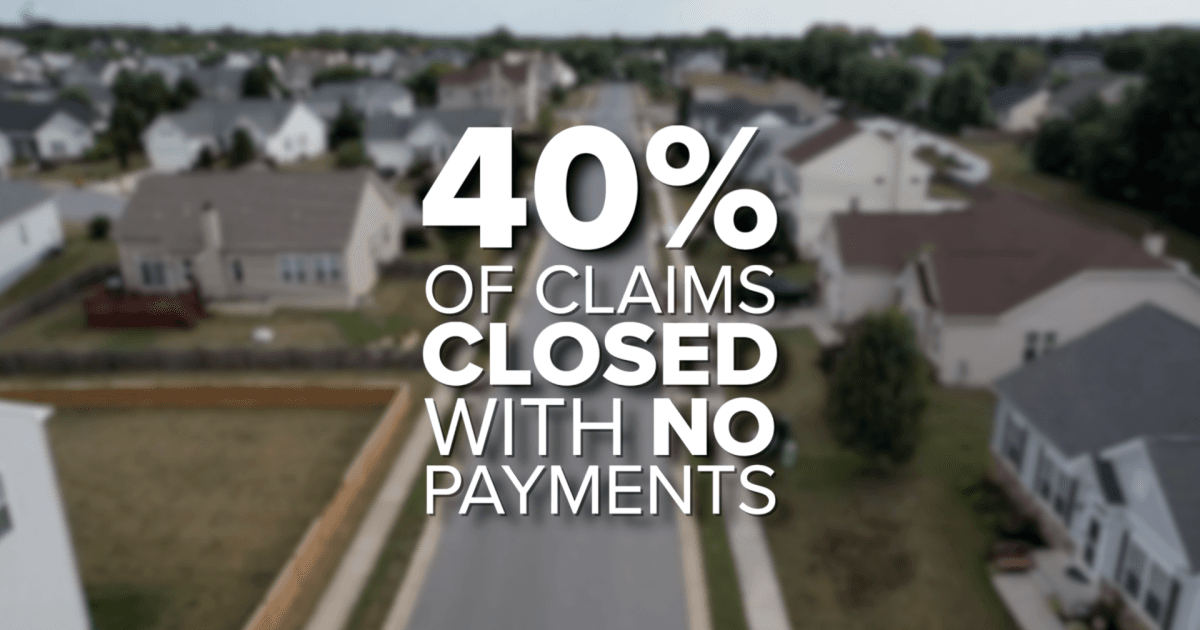
Florida homeowners are being hit with the highest insurance premiums in the nation, averaging $5,838 per year—nearly double the U.S. average. As costs skyrocket, many residents are reporting denied claims, non‑renewals, and impossible financial choices. New investigations reveal that more than 40 percent of claims in Florida close with no payment, while lawmakers push for transparency, fair pricing, and meaningful reform to stabilize a market that’s rapidly becoming unsustainable.
Vend Park, a Boston-based proptech company, has raised $17.5 million in Series A funding to reinvent parking as a high-performing commercial real estate asset. By replacing outdated operator–vendor systems with a unified AI-driven platform, Vend Park is helping major property owners boost NOI by up to 30%, slash operating costs, and modernize the tenant experience. As the company expands from three to fifteen cities and partners with giants like Nuveen and Jamestown, its technology highlights a major shift: real estate professionals must now understand AI, automation, and digital infrastructure to stay competitive.
Keller Williams Realty Atlanta Partners has formed an exclusive partnership with Southeast Mortgage, Georgia’s largest non‑bank mortgage lender. The collaboration promises faster, tech‑enhanced transactions for both agents and homebuyers, combining real estate expertise with streamlined mortgage services. This move reflects a growing trend toward integrated real‑estate ecosystems designed to reduce delays, boost transparency, and modernize the homebuying experience.